
Description
-
Product Overview
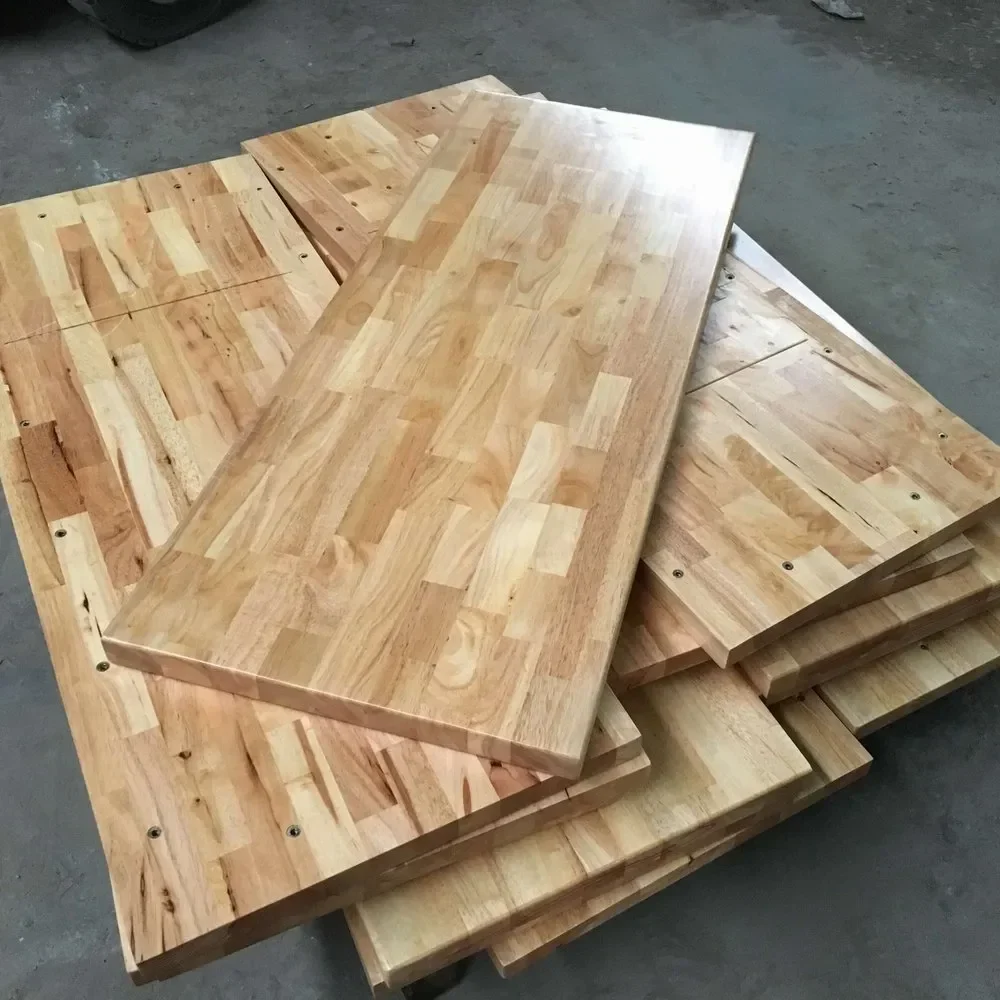
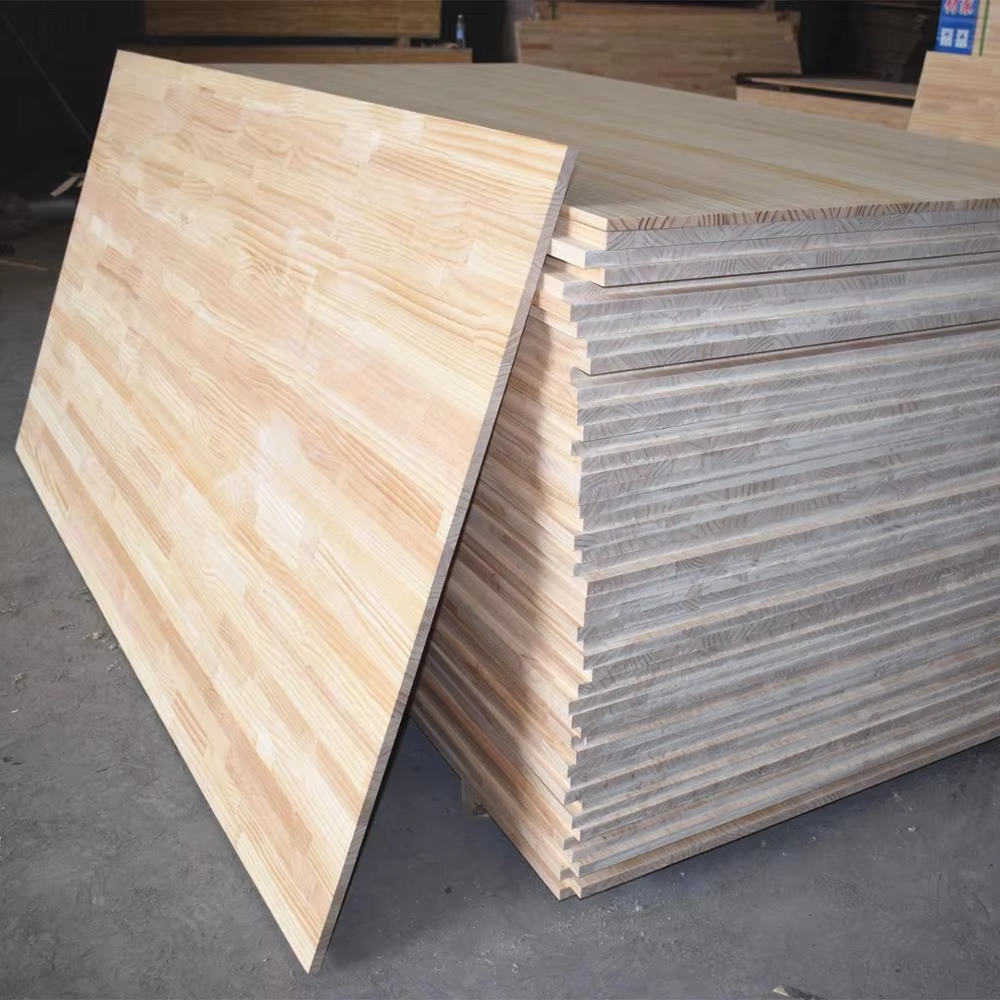
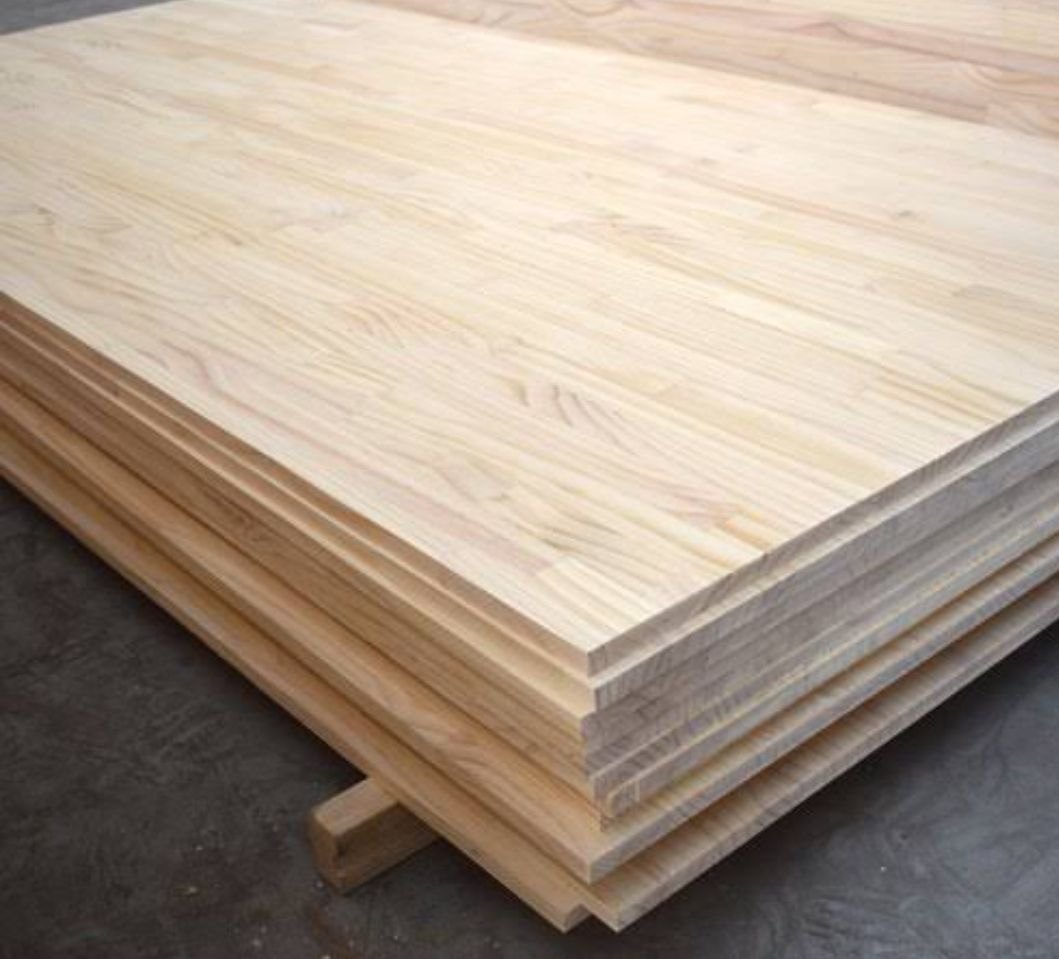
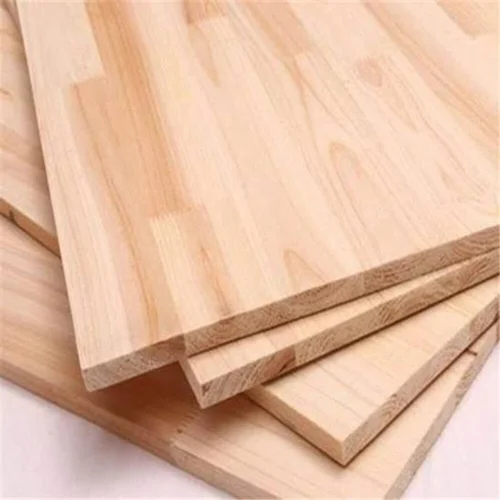
Finger Joint Pine Blocks are precision-manufactured structural timber blocks produced by finger-jointing short-length pine boards into longer, dimensionally stable blocks for industrial use. Primarily used in construction, furniture manufacturing, packaging, and joinery, these blocks deliver consistent mechanical strength and uniform appearance compared with solid-sawn equivalents. The key value proposition is high material utilization and dimensional stability—reducing waste, lowering raw-material cost per usable linear metre, and enabling predictable performance in downstream automated processes. Strategically, Finger Joint Pine Blocks unlock scalable, sustainable sourcing of softwood timber for industrial manufacturers and large-scale project procurement, supporting cost control and supply continuity in markets facing raw-log variability.
-
Key Specifications & Technical Characteristics
-
Material: Radiata/Scots/White pine (species specified at order), finger-jointed from kiln-dried lamellas
-
Adhesive: Phenol-resorcinol or melamine-urea-formaldehyde (MUF) adhesives available on request (industrial-grade, structural bond)
-
Grade: Industrial structural grade (EN 14080/ASTM-equivalent grading options available upon request)
-
Dimensional range: Standard block sizes: cross-sections from 50×50 mm up to 150×150 mm; lengths from 1.0 m to 6.0 m (custom lengths available)
-
Lamella thickness: typical 20–45 mm (specify on order)
-
Density: species-dependent, typically 380–520 kg/m³ (air-dried basis)
-
Moisture content: kiln-dried to 8–12% (custom MC targets negotiable)
-
Mechanical properties: predictable bending and compressive strength consistent with structural grade lamellae; finger-joint tensile strength meets industry norms for glued joints
-
Surface finish: rough-sawn or planed options; end-trimmed and chamfered options available
-
Tolerances: mill tolerances to industrial standards (length ±2 mm, section ±1 mm)
-
Treatment: optional preservative treatment (pressure-treated) or fire-retardant treatment per customer spec
-
Packaging: shrink-wrapped bundles on pallets, steel-strapped bundles, or bulk-stacked for container loading; protective corner boards and waterproof cover available for export
-
Shelf life/storage: stable in covered, ventilated storage; recommended use within 12 months under proper storage to avoid surface degradation (longer storage acceptable if kept dry)
-
Core Industrial Applications
-
Construction & Scaffolding: used as structural members, blocking, and formwork components where predictable straightness and joint strength reduce rework and on-site waste. Finger-jointing yields longer, straighter members than equivalent solid short lengths.
-
Furniture & Joinery Manufacturers: raw material for rails, stiles, frames, and solid-core elements in automated production lines; finger-joint blocks minimize knots and defects, increasing yield and reducing machining downtime.
-
Packaging & Pallet Industry: high-volume, uniform blocks for pallet stringers and block pallets; consistent dimensions improve automated assembly and result in stronger, lighter pallets per cubic metre of wood.
-
Millwork & Mouldings: source material for moulding production where consistent moisture content and straightness improve throughput and finish quality.
Why it outperforms alternatives: finger-jointed blocks use short, lower-cost lamellae, improving raw-material yield versus long-solid timber and reducing variability from natural defects. The engineered joints provide comparable mechanical performance while enabling longer lengths and better straightness—translating to higher process efficiency, less scrap, and lower total landed cost.
-
Competitive Advantages
-
Quality consistency: controlled kiln-drying, standardized lamella selection, and industrial finger-jointing produce repeatable mechanical and dimensional properties for predictable manufacturing outcomes.
-
Supply reliability: ability to scale production and source lamellas from diversified forestry suppliers reduces single-supplier risk and supports long-term contracts.
-
Logistics capability: export-ready packaging, container-optimized stacking plans, and experience with FCL/LCL shipments ensure efficient loading and lower transport damage.
-
Price competitiveness: higher yield from raw inputs and modular production allow lower cost-per-linear-metre versus equivalent solid timber, especially at scale.
-
Sustainability: optimized material utilization reduces waste; sourcing can be certified (FSC/PEFC options available) to meet corporate ESG procurement requirements.
-
Technical support & documentation: full technical datasheets, grade certificates, moisture reports, and joint-strength test data provided; customization support for dimensions, adhesives, and treatments to match OEM specifications.
-
Commercial & Supply Information
-
Minimum order quantity (MOQ): BULK 20 MT
-
Typical container loading: up to 20 MT per 20’ container (depending on selected block dimensions, packaging, and stacking configuration). For long-length, lower-profile blocks, optimized loading of up to 24–26 MT in a 40’ high-cube may be achievable—confirm with supplier logistics planning.

Reviews
There are no reviews yet.