
Description
1. Product Overview
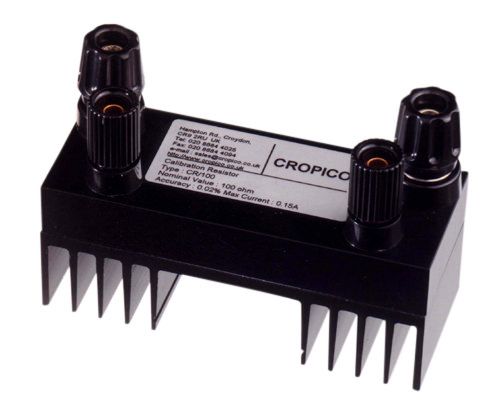
Field calibration resistors and shunt calibration modules are precision electronic calibration components designed to simulate known electrical signals for verifying and adjusting load cells, strain gauges, force sensors, and measurement systems. They are widely used in industrial weighing, automation, instrumentation, and test applications to ensure accurate sensor performance without requiring mechanical test loads. Engineered for high stability and repeatable resistance values, these modules provide a cost-effective solution for maintaining measurement accuracy and system reliability. As industries increasingly prioritize precision monitoring and automated quality control, reliable calibration components are strategically essential for reducing downtime and improving operational confidence.
2. Key Specifications & Technical Characteristics
- Material Components: Precision resistance alloys (such as manganin, constantan, or nickel-chromium alloys), copper terminals, insulated housings, and industrial-grade electronic components.
- Resistance Accuracy: Typically ±0.1% to ±1% tolerance depending on calibration requirements and application grade.
- Temperature Coefficient: Low temperature drift design for stable performance across changing operating conditions.
- Rated Resistance Values: Customizable resistance ranges based on sensor type, bridge configuration, and calibration requirements.
- Electrical Grade: Industrial precision calibration grade suitable for strain gauge and sensor simulation applications.
- Physical Characteristics: Compact module or resistor assembly form; typically housed in durable plastic, aluminum, or epoxy-sealed enclosures; lightweight and vibration-resistant.
- Operating Temperature Range: Commonly designed for industrial environments from approximately -20°C to +80°C or higher depending on model.
- Protection Features: Insulation protection, moisture resistance, and optional shielding against electromagnetic interference (EMI).
- Connection Options: Screw terminals, wire leads, plug connectors, or customized interfaces.
- Packaging Options: Anti-static packaging, protective foam cartons, customized industrial packaging, and bulk export cartons.
- Shelf Life: Typically 5–10 years when stored in dry, temperature-controlled conditions.
3. Core Industrial Applications
- Industrial Weighing Systems: Used for calibration and verification of load cells in platform scales, hopper scales, truck scales, and batching systems.
- Automation & Process Control: Supports accurate calibration of force, pressure, and torque measurement devices used in automated production lines.
- Laboratory & Testing Equipment: Provides stable reference simulation for sensor testing, research instruments, and calibration benches.
- Manufacturing Quality Control: Enables fast verification of measurement systems without interrupting production processes.
- Energy, Transportation & Heavy Industry: Applied in monitoring systems requiring reliable load and force measurement accuracy.
Performance Advantages:
- Provides faster calibration compared with traditional mechanical load testing methods.
- Delivers consistent and repeatable electrical simulation signals.
- Reduces maintenance costs by simplifying sensor verification procedures.
- Improves measurement accuracy and minimizes production errors.
4. Competitive Advantages
- Quality Consistency: Manufactured with precision resistance materials and strict electrical testing to ensure stable calibration performance.
- Supply Reliability: Supported by scalable production capacity for OEMs, system integrators, and industrial distributors.
- Logistics Capability: Available with export-ready packaging, bulk shipment support, and customized supply programs.
- Price Competitiveness: Offers a cost-efficient alternative to complex calibration equipment while maintaining industrial-grade accuracy.
- Sustainability Benefits: Long service life and reduced need for mechanical calibration resources contribute to lower operational waste.
- Technical Support & Documentation: Available with calibration certificates, technical datasheets, electrical specifications, and application guidance for integration into industrial systems.
5. Commercial & Supply Information
- Minimum Order Quantity (MOQ): BULK 20MT
- Loading Capacity: Approximately 20MT per standard container (subject to product dimensions and packaging configuration)

Reviews
There are no reviews yet.