
Description
1. Product Overview
Fe-EDDHA is a highly stable ortho-ortho iron chelate specifically engineered to correct and prevent iron chlorosis in high-value crops grown in calcareous or alkaline soils. Its primary industrial application is in precision agriculture, fertigation systems, and foliar feeding programs where standard iron sources (e.g., sulfates or EDTA chelates) rapidly become unavailable. The key value proposition is its exceptional stability at pH levels 4–9, ensuring continuous iron bioavailability where other products fail. Strategically, Fe-EDDHA is critical for agribusinesses seeking to maximize yield, improve crop quality, and reduce iron reapplication frequency—directly lowering operational costs in challenging soil environments.
2. Key Specifications & Technical Characteristics
-
Chemical composition: Iron (Fe) chelated with EDDHA (Ethylenediamine-N,N’-bis(2-hydroxyphenylacetic acid))
-
Ortho-ortho isomer content: 4.2% min, 4.8% typ., up to 6.0% (premium grade)
-
Total iron (Fe): 6% ± 0.5% (w/w)
-
pH stability range: 4.0 – 9.0 (optimal performance at pH 7–9)
-
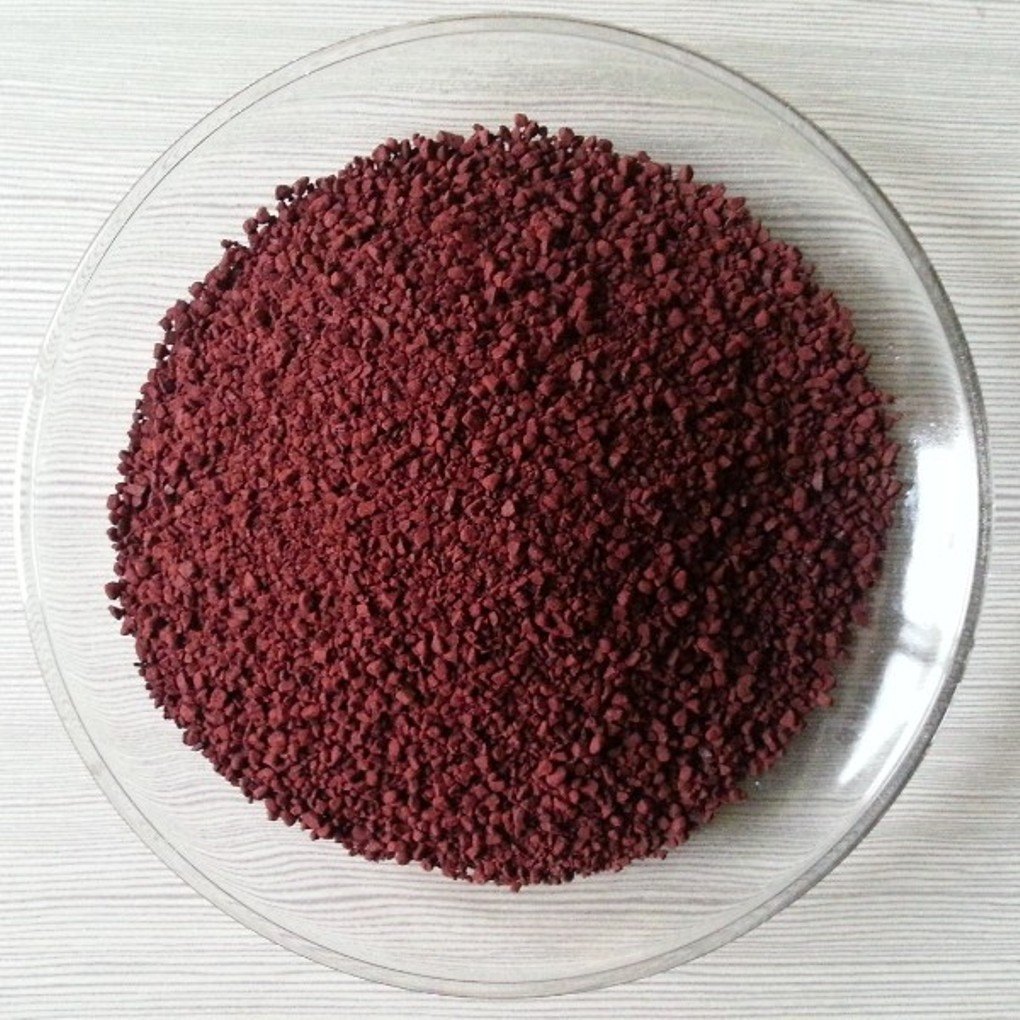
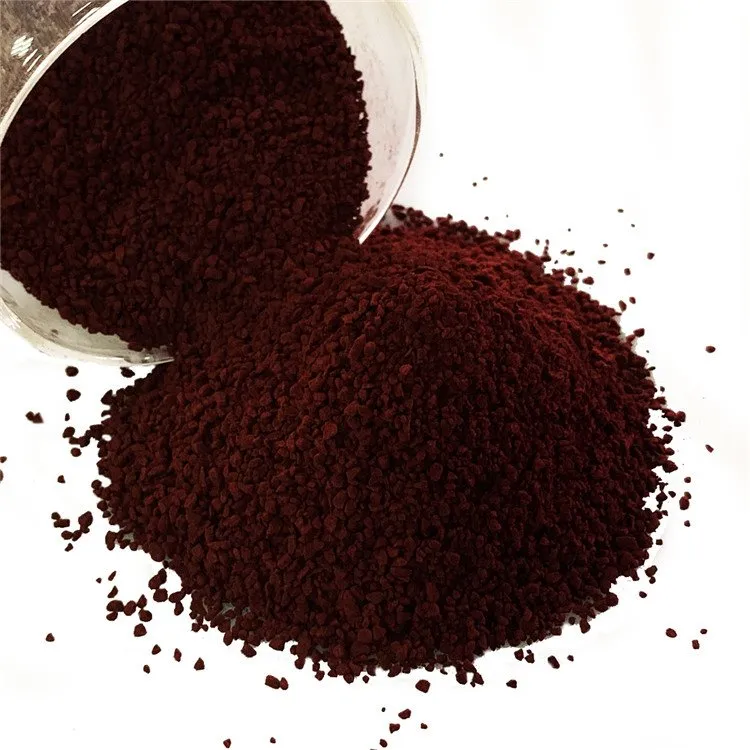
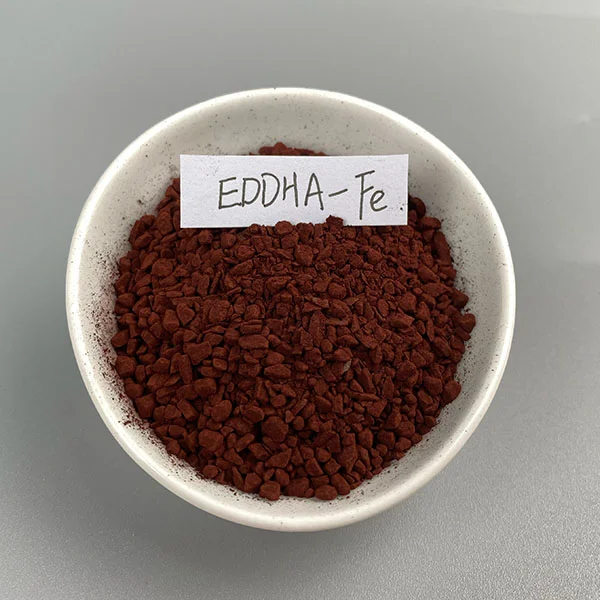
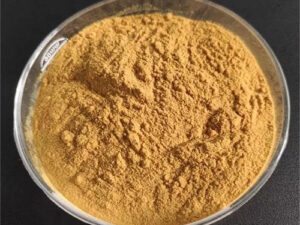
Physical form: Dark reddish-brown to black microgranules or powder
-
Solubility: > 100 g/L water (20°C), complete dissolution without residues
-
Bulk density: 650–750 kg/m³
-
Packaging options: 25 kg laminated bags with inner PE liner, 500 kg big bags, or 1,000 kg bulk pallets
-
Shelf life: 36 months in original unopened packaging, stored in dry, cool conditions (< 35°C)
3. Core Industrial Applications
-
Primary industries: High-value horticulture (citrus, avocado, stone fruit), viticulture, ornamental nurseries, and greenhouse tomato/pepper production.
-
Operational use cases:
-
Soil application: Injection via drip irrigation or broadcast in alkaline soils (pH > 7.5) to prevent interveinal chlorosis.
-
Foliar feeding: Diluted spray (0.05–0.1% solution) for rapid correction of deficiency symptoms.
-
Hydroponics: Continuous low-dose addition (0.5–1.0 ppm Fe) to nutrient solutions.
-
-
Why better than alternatives:
-
Vs. Fe-EDTA: Remains soluble and plant-available at pH > 6.5 (EDTA degrades above pH 6.5).
-
Vs. Fe-sulfate: No precipitation, no phytotoxicity risk, and 3–5× longer residual effect in calcareous soils.
-
Cost advantage: Fewer applications per season (e.g., 1–2 vs. 4–6 with conventional products), reducing labor and field operations.
-
4. Competitive Advantages
-
Quality consistency: ISO 9001:2025 certified manufacturing with HPLC-verified ortho-ortho content for every batch.
-
Supply reliability: Dual-sourced raw materials and safety stock ≥ 3 months of forecasted demand.
-
Logistics capability: Global distribution hubs (Rotterdam, Singapore, Houston) enabling 48-hour dispatch to major ports.
-
Price competitiveness: Direct mill pricing with volume scaling—no premiums for high ortho-ortho isomer content.
-
Sustainability benefit: 40% lower carbon footprint per hectare treated compared to repeated sulfate or EDTA applications, plus biodegradable chelating agent (ready biodegradability > 60% OECD 301B).
-
Technical support: Full access to agronomic datasheets, soil pH calibration charts, and custom blending recommendations.
5. Commercial & Supply Information
-
Minimum order quantity (MOQ): 20 metric tons (MT) per product grade (mix of grades allowed within same container)
-
Loading capacity per 20‑ft container: 20 MT (neat palletized)
Per 40‑ft container: 26 MT (max weight limit) -
Lead time: 14 days from confirmed purchase order and proforma payment for stock items; 30 days for custom ortho-ortho specifications
-
Incoterms supported: FOB (loading port), CFR, CIF (major global ports)
Reviews
There are no reviews yet.