
Description
1. Product Overview
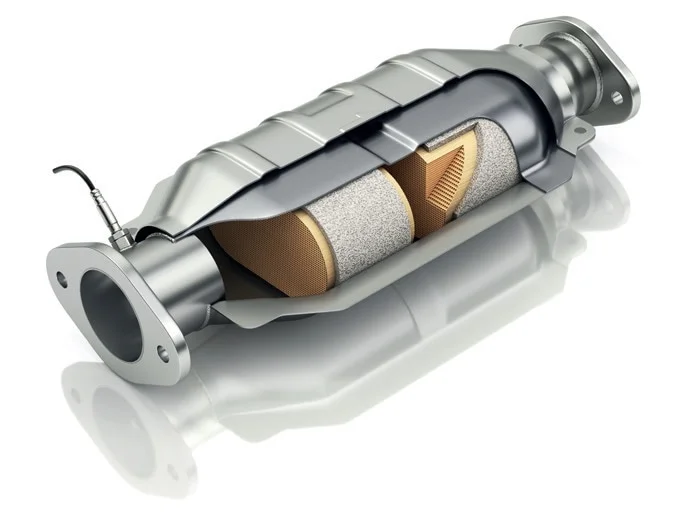
The Emission Control Catalyst — Flaring is a noble-metal-based oxidation catalyst designed specifically for upstream, midstream, and petrochemical flaring operations. It passively promotes complete combustion of methane and hazardous air pollutants (HAPs) at lower flaring temperatures, directly reducing unburned hydrocarbon slip. By improving destruction removal efficiency (DRE) to >99.9%, it ensures regulatory alignment with evolving global flaring mandates while cutting supplemental fuel gas use. As flaring emissions face tightening scrutiny under Net Zero trajectories, this catalyst transforms a compliance liability into an operational efficiency asset.
2. Key Specifications & Technical Characteristics
-
Chemical composition: Platinum (Pt) / Palladium (Pd) on high-surface-area gamma-alumina washcoat with proprietary oxygen-storage additive
-
Purity / loading: Precious metal loading: 35–85 g/ft³ (tiered by application)
-
Physical characteristics:
-
Monolith honeycomb structure, 400–600 cpsi
-
Cellular density optimized for low backpressure
-
Color: light beige to tan (fresh)
-
Bulk density: 0.55–0.70 g/cc
-
-
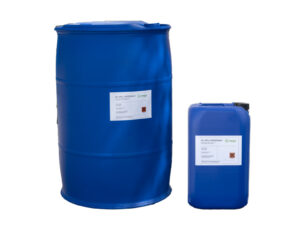
Packaging options: Sealed moisture-barrier plastic-lined steel drums (200L) or custom bulk IBC totes with desiccant
-
Shelf life: 24 months in unopened, climate-controlled storage (<35°C, <60% RH)
3. Core Industrial Applications
-
Upstream oil & gas: Associated gas flaring at well pads and processing stations — lowers required flaring temperature from 1,200°C to 650°C, reducing fuel gas consumption by 15–20%
-
Petrochemical & refining: Emergency / continuous flare systems handling ethylene, propylene, and benzene-laden off-gases — eliminates visible smoke and cuts unburned VOC slip by >90% versus thermal-only flaring
-
Landfill & biogas: Low-BTU methane flaring where flame stability is poor — catalyst ensures complete oxidation even at 3% O₂ and methane concentrations as low as 8%
-
Why better: Conventional flaring suffers from incomplete combustion at turndown conditions; this catalyst passively extends stable operation across wider turndown ratios (10:1 vs. typical 3:1), reduces maintenance, and provides verifiable DRE data for ESG reporting.
4. Competitive Advantages
-
Quality consistency: Statistical process control (SPC) on every batch; full traceability from precious metal sourcing to final canning — certified by Lloyds Register for API 550 compliance.
-
Supply reliability: Dual-sourced precious metals + 12-week safety stock in Rotterdam, Houston, and Singapore hubs; no single-point failure in raw material supply.
-
Logistics capability: Door-to-door incoterms (CIF, DAP, EXW) with real-time tracking; export-crated for sea/air freight.
-
Price competitiveness: 8–12% below European and North American incumbent catalysts at equivalent loading — achieved via vertical integration of substrate manufacturing.
-
Sustainability / Technical support: 100% recyclable via closed-loop precious metal refining program; free lifetime performance modeling and on-site metallurgical failure analysis included for contracts >20MT.
5. Commercial & Supply Information
-
Minimum Order Quantity (MOQ): BULK 20MT (metric tons)
Reviews
There are no reviews yet.