
Description
1. Product Overview
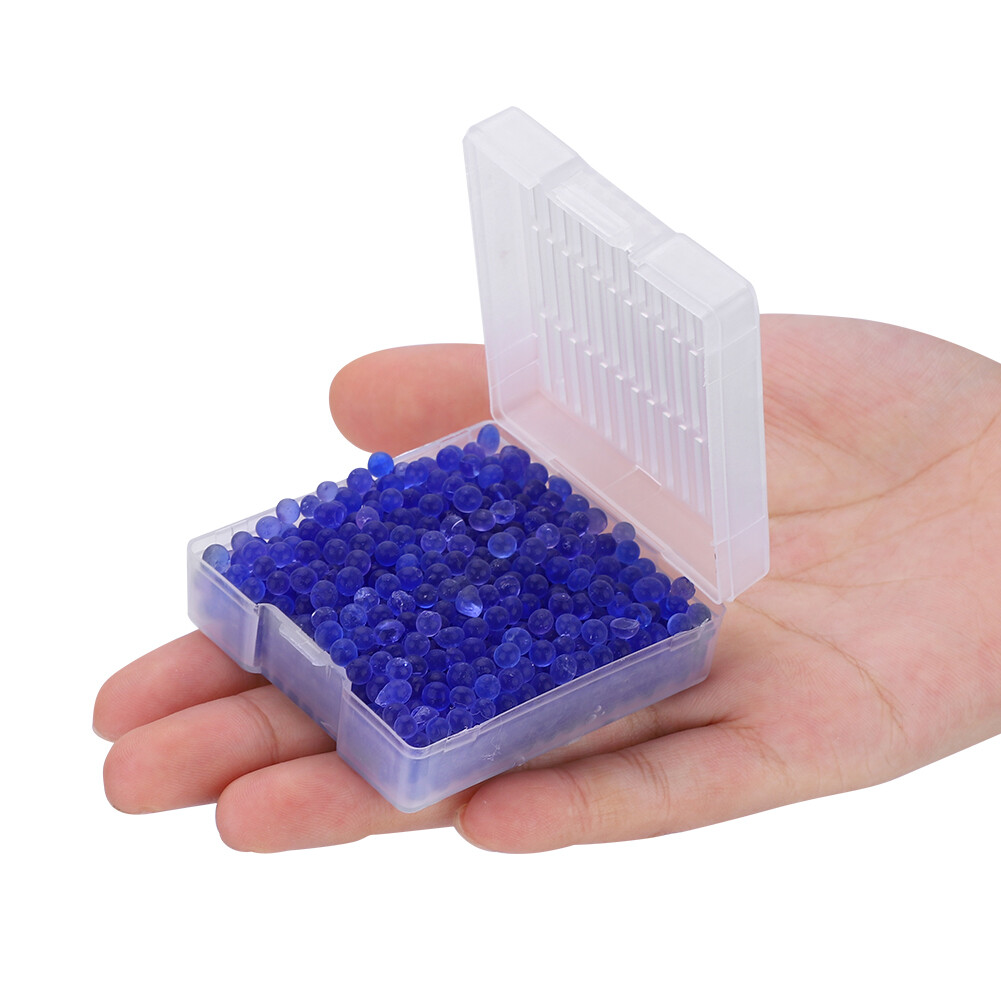
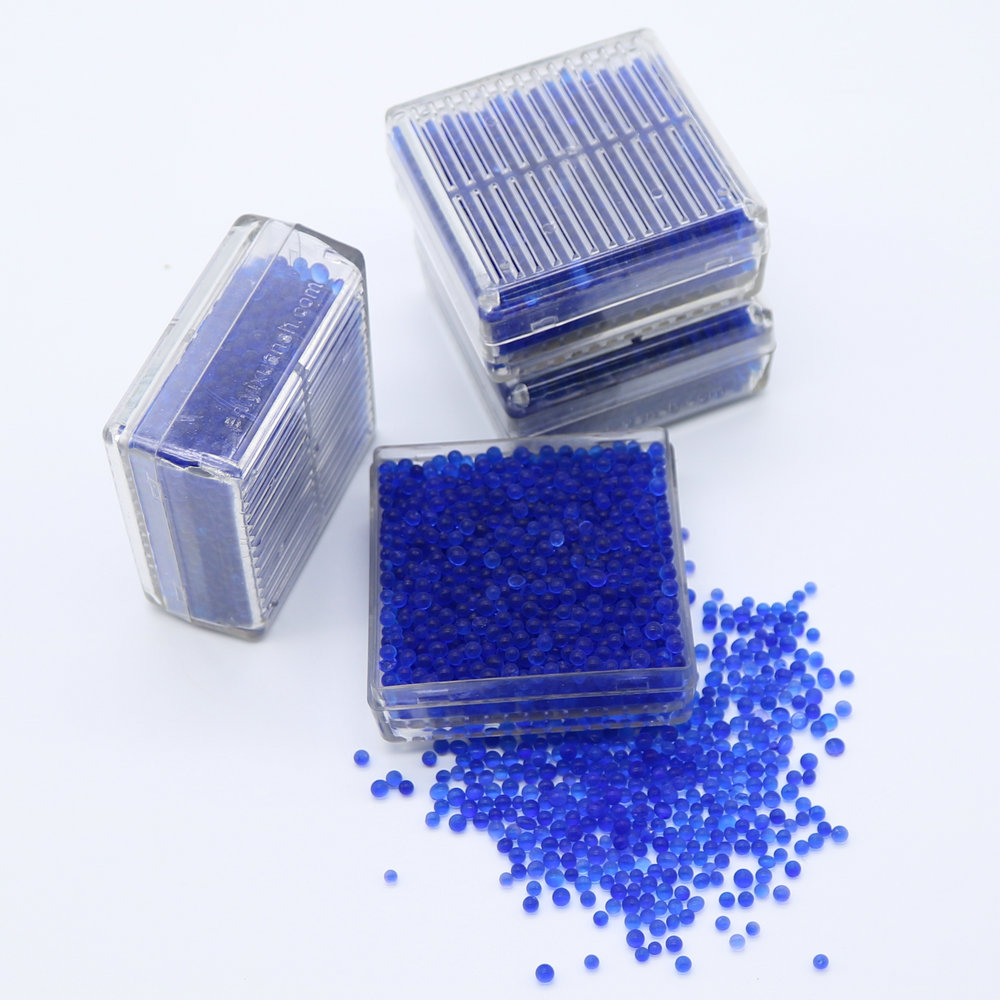
This product comprises high-activity, regenerable desiccant beads engineered for industrial-scale moisture control in closed-loop systems and storage environments. Its primary industrial use is the prevention of corrosion, clumping, and microbial degradation in sensitive materials, from powder blends to electronic components. The key value proposition is a demonstrable reduction in product spoilage rates and unplanned downtime, offering a lower total cost of ownership than single-use sachets or non-regenerable alternatives. Strategically, securing reliable moisture removal is critical for supply chain resilience, regulatory compliance (e.g., ICH Q1A for stability), and reducing logistics waste in global manufacturing.
2. Key Specifications & Technical Characteristics
-
Chemical composition: Amorphous silicon dioxide (SiO₂) – Type A / Type B / indicating (cobalt-free or organic indicator) variants available upon request
-
Purity level: ≥99.5% active silica; non-toxic, non-corrosive, chemically inert
-
Physical characteristics:
-
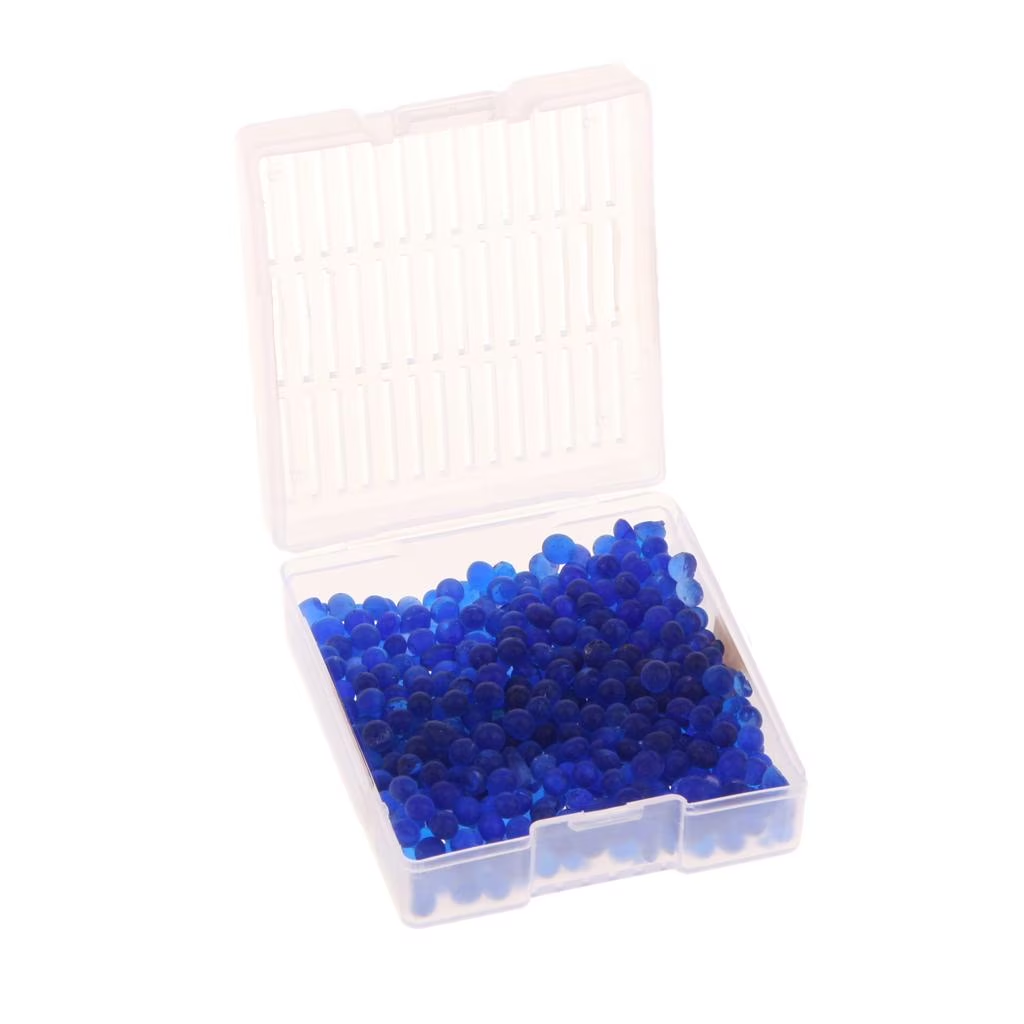
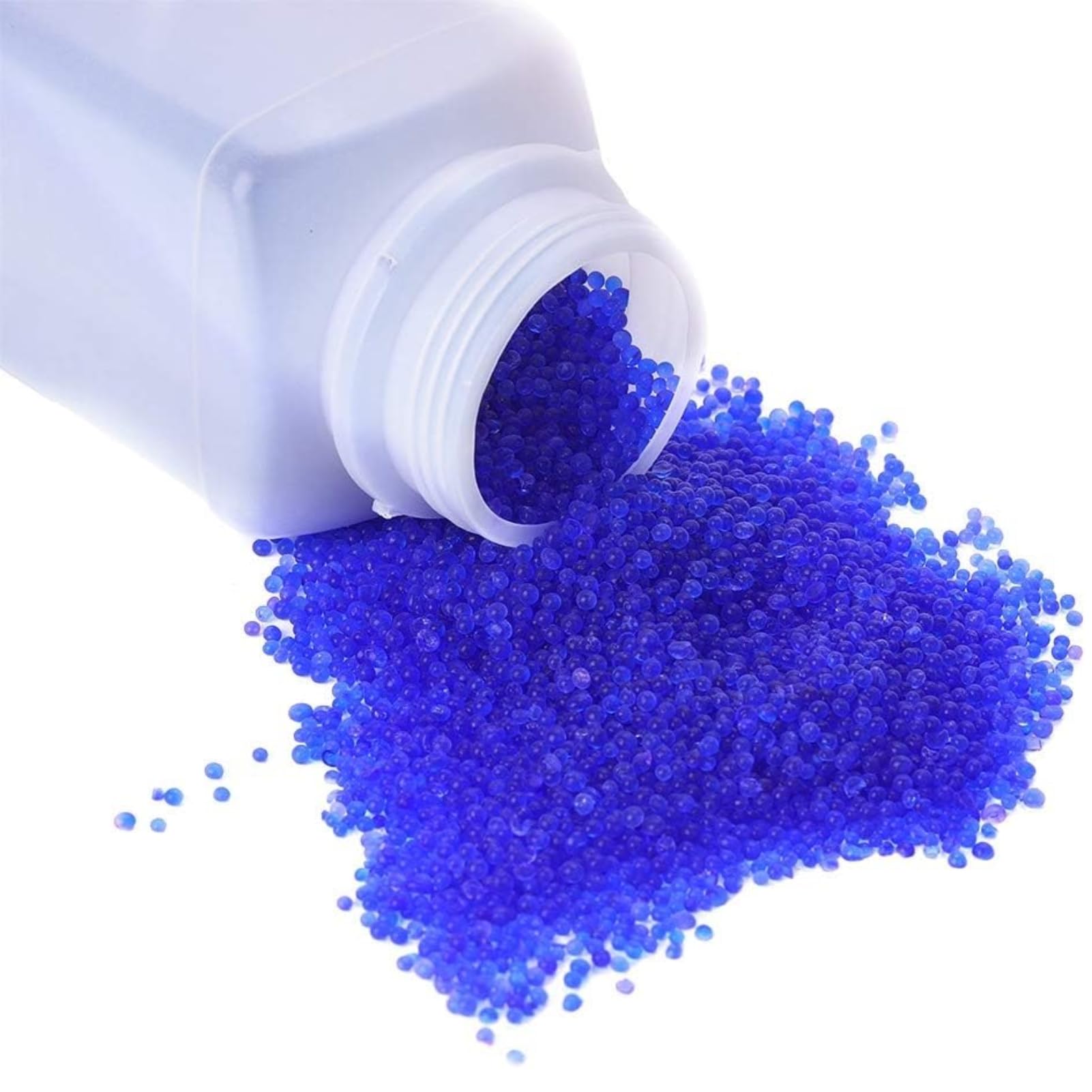
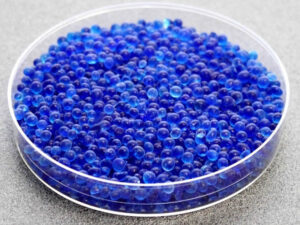
Form: Spherical beads (typical diameter 0.5–1.2 mm, 2–4 mm, 4–8 mm)
-
Color: Translucent white (non-indicating) or orange-to-green (cobalt-free indicating)
-
Bulk density: 720–800 g/L
-
BET surface area: ≥650 m²/g
-
Pore volume: ~0.45 mL/g
-
-
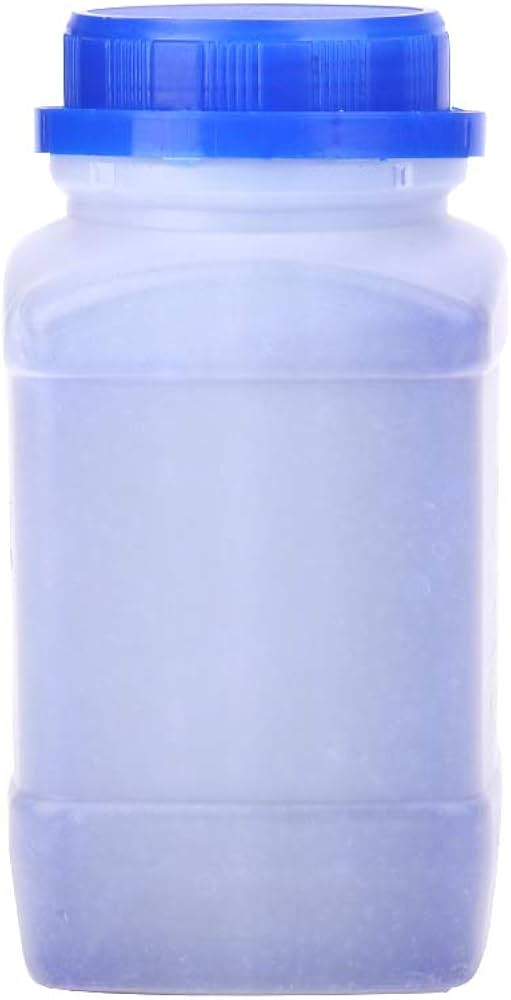
Packaging options: 1 kg foil bags; 25 kg multi-walled paper or PE-lined drums; 500–1,000 kg FIBCs (big bags); custom desiccant canisters/packs
-
Shelf life: 12+ months in unopened, sealed packaging under <60% RH; unlimited when regenerated per spec
3. Core Industrial Applications
-
Pharmaceutical & nutraceutical manufacturing: Use-case – in-process drying of hygroscopic APIs and excipients; moisture barrier in packaging lines. Performance advantage – zero dust, minimal particle attrition, compliant with EU GMP Annex 1.
-
Electronics & semiconductor storage: Use-case – low-humidity (<10% RH) storage of PCBs, connectors, and wafer shippers. Advantage – no chloride ions (unlike clay desiccants), no risk of short circuits or metal oxidation.
-
Industrial logistics & container shipping: Use-case – 20’/40’ container desiccant systems for machinery, transformers, and coffee/tea exports. Advantage – high water pickup (≥40% of own weight) vs. clay (≤25%); reduces desiccant count by ~30%.
-
Compressed air & gas drying: Use-case – twin-tower and heat-of-compression dryers in petrochemical and food processing. Advantage – operational to -40°C dewpoint, regenerable at 150–200°C with <5% capacity loss over 500 cycles.
4. Competitive Advantages
-
Quality consistency: Lot-to-lot Karl Fischer and laser diffraction testing; statistical process control chart included with each bulk certificate of analysis.
-
Supply reliability: Contract-enabled buffer stock in three regional hubs (Asia, EU, NA); 98% on-time-in-full rate over 24 months.
-
Logistics capability: Palletized, air- and ocean-compliant packaging with hazardous goods documentation not required (non-regulated UN 3290 exempt).
-
Price competitiveness: Direct-from-source manufacturing without branded markups; volume tier pricing starting at 20 MT.
-
Sustainability benefits: Regenerable up to 500×; reduces solid waste by >95% vs. single-use sachets; plastic-neutral shipping upon request.
-
Technical support: Regeneration protocol calculator, compatibility matrix (acids/solvents), and 24h application engineering response included for enterprise accounts.
5. Commercial & Supply Information
-
Minimum order quantity (MOQ): BULK 20MT (breakdown into FIBCs or smaller export packaging permitted at tier-2 pricing)
-
Loading capacity: 22–24 MT per 20’ dry container (palletized or loose-filled FIBC stacks)
Reviews
There are no reviews yet.