
Description
1. Product Overview
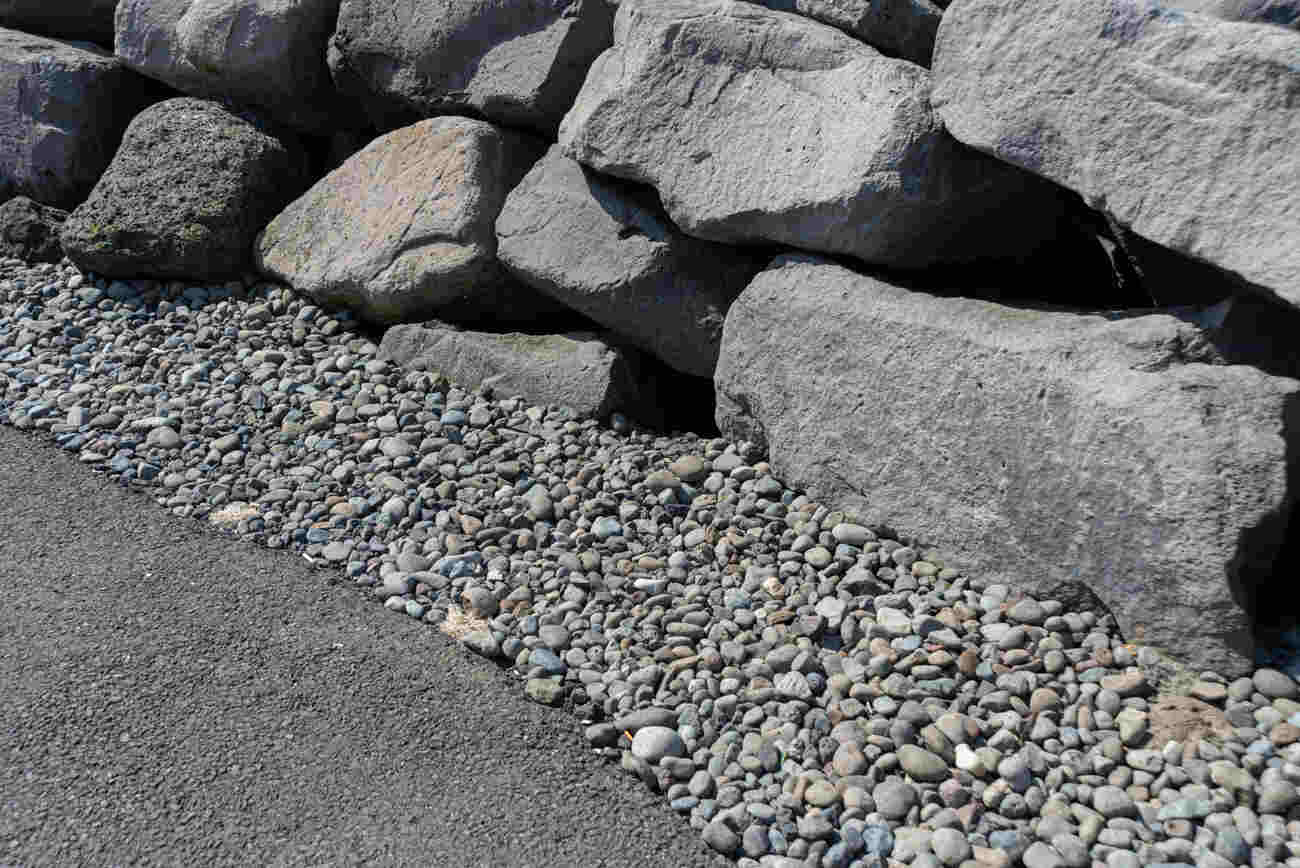
Crushed stone aggregate is a mechanically fractured, inert mineral material derived from high-silica igneous or metamorphic bedrock, processed through multistage crushing and screening. It serves as the foundational load-transfer medium in site works—sub-base, base course, trench backfill, and drainage blankets. The key value proposition is its predictable shear strength and low plasticity, enabling engineered compaction ratios that minimize post-construction settlement. Strategically, it is irreplaceable for asset-intensive sectors (transport, energy, urban development) where subgrade failure translates to multimillion-dollar remediation risk.
2. Key Specifications & Technical Characteristics
-
Chemical / Material Composition: >98% crushed inert mineral (granite, diabase, or high-grade limestone); less than 0.5% clay/silt fines; free from organic impurities
-
Purity / Grade: Compliant with ASTM D2940 / BS 882 Class A; Los Angeles abrasion <30%; magnesium sulfate soundness loss <12%
-
Physical Characteristics:
-
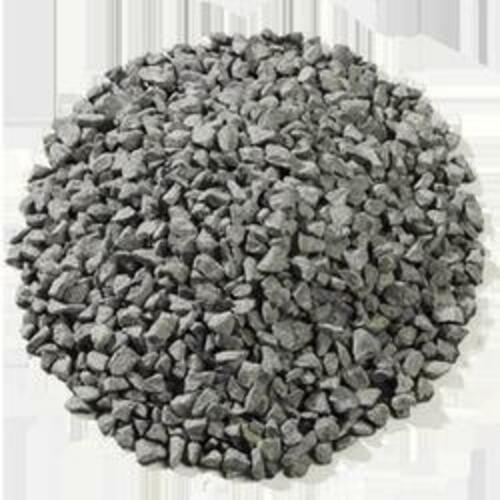
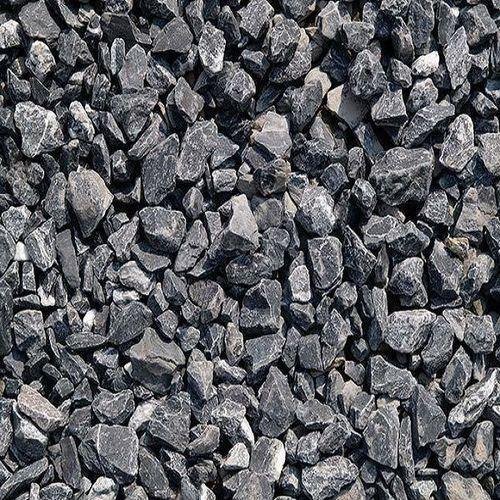
Form: Angular, cubical particles with two or more fractured faces
-
Color: Grey to dark grey
-
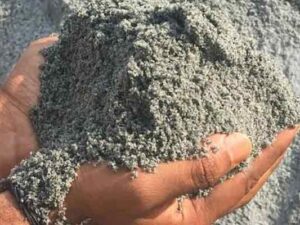
Particle size: 0–31.5 mm, continuously graded; optional single-size fractions (e.g., 20–40 mm)
-
Dry rodded bulk density: 1,450–1,650 kg/m³
-
Flakiness index: ≤15%
-
-
Packaging: Loose bulk in tipper trucks, 1.5 MT jumbo bags, or 25 kg moisture-resistant polywoven sacks
-
Shelf Life: Indefinite if stored on drained, hardstanding area away from contaminating fines or standing water
3. Core Industrial Applications
-
Highway & airport pavement construction: Used as unbound sub-base/base under asphalt or concrete—superior interlock reduces rutting under heavy axle loads vs. natural gravel.
-
Utility trench reinstatement: Supports rapid load transfer and drainage backfill around pipelines; certified for SHW Series 600, reducing settlement claims.
-
Site formation & platform preparation: Enables stable working platforms for piling rigs and tower cranes on soft ground, lowering temporary works costs.
-
Railway ballast (specific gradations): High fracture resistance limits track degradation and maintenance cycles in heavy-haul corridors.
-
Drainage attenuation layers: Voids ratio over 30% promotes rapid dewatering, outperforming crushed concrete in long-term permeability.
4. Competitive Advantages
-
Quality consistency: Every shipment certified with particle size distribution (PSD) and flakiness index results from ISO 17025-accredited lab; ±3% gradation tolerance.
-
Supply reliability: Multiple quarry sources and buffer stockpiles (min. 50,000 MT) guarantee 99.4% on-time-in-full (OTIF) performance.
-
Logistics capability: Dedicated fleet with weighbridge tickets on delivery; GPS-tracked just-in-time scheduling for site works with limited laydown area.
-
Price competitiveness: Volume-driven pricing with long-term fixed-rate contracts available; no hidden surcharges for weekend or out-of-hours deliveries.
-
Sustainability: Zero process water discharge; 15% recycled quarry waste incorporated into lower-grade layers; EPD available upon request.
-
Technical support: Free mix design advisory; proctor compaction curves; field sampling and trial embankment supervision.
5. Commercial & Supply Information
-
Minimum Order Quantity (MOQ): BULK 20 MT
-
Loading capacity (MT per container): Not containerized — 20 MT per 20 ft flatbed / 28 MT per tri-axle tipper truck (FOB load port or delivered ex-works). For break-bulk vessels: 1,500–3,500 MT per hold.
Reviews
There are no reviews yet.