
Description
-
Product Overview
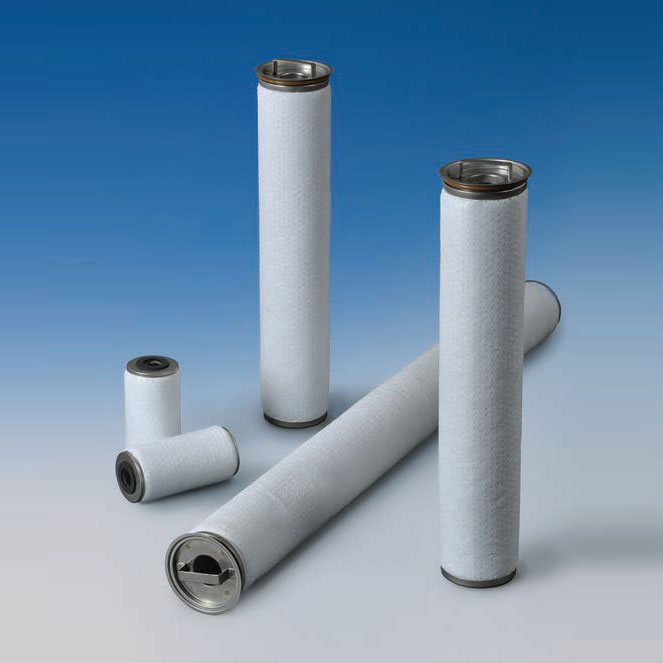
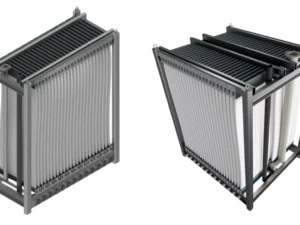
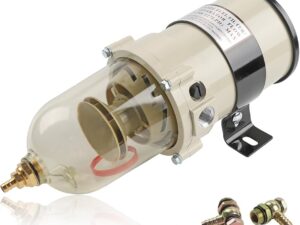
The Coalescing Filter Element is a precision-engineered separation component designed to remove liquid aerosols, fine mists, and entrained oil from compressed air, process gases, and industrial fluids. Its primary industrial use is to protect downstream equipment—pneumatic controls, instrumentation, valves, and process lines—by delivering high-efficiency separation and minimal pressure drop. The element’s key value proposition is consistent, high-throughput coalescence performance that reduces maintenance, prevents contamination-related downtime, and extends service life of critical assets. Strategically, this filter element is a risk-mitigation and total-cost-of-ownership improvement for industrial operations where air and gas purity directly affect product quality, safety, and regulatory compliance.
-
Key Specifications & Technical Characteristics
-
Materials: Multi-layered media comprising hydrophobic microfiberglass (or engineered polymer microfiber) coalescing layer, graded support mat (polyester or polypropylene), and corrosion-resistant metal end caps (stainless steel 316 optional).
-
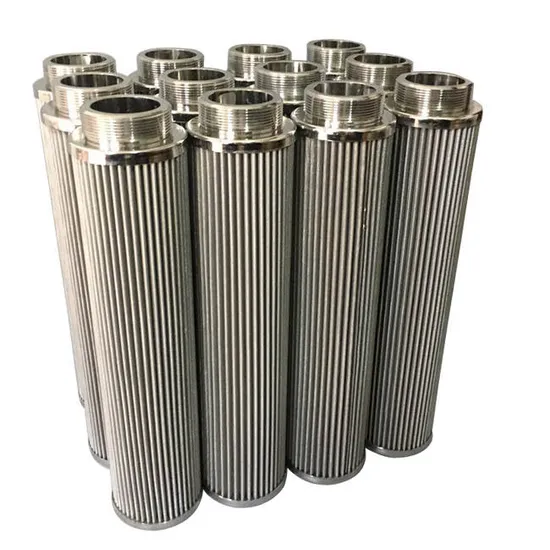
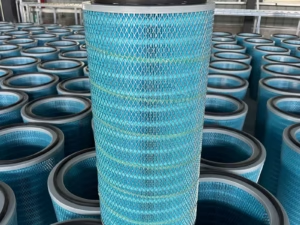
Construction: Pleated or wrapped cartridge construction with rigid core (stainless steel or galvanized steel) and Buna-N or FKM gaskets; welded/seamless joints for structural integrity.
-
Filtration efficiency: Typical removal efficiency ≥ 99.9% for liquid aerosols ≥ 0.01–0.3 µm (depending on specified grade).
-
Beta ratio: Available beta-rated options (e.g., β0.3 ≥ 1000) for demanding process controls.
-
Pressure rating: Standard working pressure up to 16 bar (232 psi); high-pressure variants to 40 bar (580 psi) available on request.
-
Temperature range: -40 °C to +120 °C standard; high-temperature media options to +200 °C.
-
Differential pressure: Initial ΔP typically 0.03–0.12 bar (0.5–1.8 psi) at rated flow; element life ΔP limits and replacement thresholds provided in datasheet.
-
Flow capacity: Engineered flow curves provided per element size; scalable by parallel housing arrangements for large systems.
-
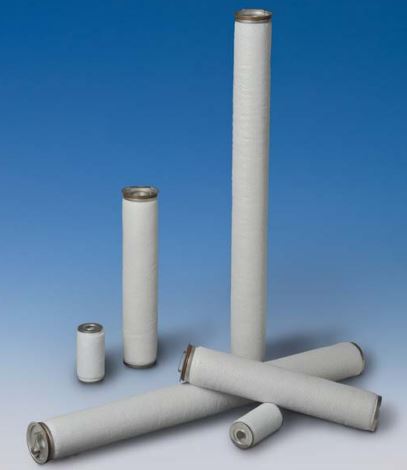
Physical characteristics: Standard cylindrical cartridge lengths: 10″, 20″, 30″, 40″ (custom lengths available); outer diameter commonly 2.5″–4.5″; nominal media density tuned for targeted efficiency and pressure drop.
-
Surface finish & coatings: Option for PTFE coating for chemical resistance, anti-microbial coatings, or epoxy coating on metal components for harsh environments.
-
Packaging options: Individual sealed polybag with desiccant, boxed multiples (10–50 units), palletized wooden crate for bulk shipment, and ISO-compliant export packing.
-
Shelf life & storage: Stable indefinite shelf life if stored dry and sealed; recommended storage conditions 0–40 °C, ≤70% RH; replace if packaging compromised or after prolonged exposure to contaminants.
-
Documentation: Full material certificates (MTC), filter performance test reports, manufacturing traceability, and MSDS/technical datasheets supplied with orders.
-
Core Industrial Applications
-
Primary industries: Oil & gas (upstream/downstream), petrochemical, chemical processing, pharmaceutical manufacturing, food & beverage (compressed air for instrumentation), power generation, semiconductor and electronics fab facilities, marine, and general manufacturing with pneumatic systems.
-
Specific use cases: Protecting pneumatic actuators and control valves from oil/water carryover; pre-filtration ahead of adsorption dryers and membrane separators to reduce fouling; final filtration before gas injection or reactor feeds; ensuring instrument air quality for calibration labs and cleanrooms.
-
Performance vs. alternatives: Compared with coalescing filters using lower-grade media or pleatless designs, this element provides higher capture efficiency for sub-micron aerosols at lower incremental pressure drop, translating to reduced energy consumption and longer intervals between replacements. Compared with standalone sediment or centrifugal separators, the coalescing element removes fine emulsified droplets that mechanical separators cannot capture.
-
Operational advantages: Faster drainage of coalesced liquids to condensate traps, reduced downstream contamination, predictable performance across varied temperatures and pressures, and modular scalability for uptime-sensitive operations.
-
Competitive Advantages
-
Quality consistency: Manufactured under ISO 9001 processes with batch-level control, calibration of test rigs, and in-line QC to ensure repeatable beta-rated performance.
-
Supply reliability: Multi-sourcing strategy for critical raw media, maintained safety stock across regional warehouses, and scheduled production slots to meet large recurring contracts.
-
Logistics capability: Export-grade packing, ability to ship LTL, FCL, and air-freight, coordinated customs documentation, and options for drop-shipping to multiple global sites.
-
Price competitiveness: Tiered pricing model for contract volumes, lifecycle cost framing (energy savings and extended equipment service life) demonstrates favorable total cost of ownership versus cheaper replacement-only options.
-
Sustainability: Selected media and core materials optimized for recyclability or safe disposal; reduced reject rates through quality management lowers lifecycle waste; options for extended-life media reduce consumption frequency.
-
Technical support: Dedicated technical datasheets, installation and maintenance guides, on-request performance testing, and engineering support for system sizing and retrofits; spare parts and element replacement programs available.
-
Commercial & Supply Information
-
Minimum order quantity (MOQ): BULK 20MT.
-
Loading capacity (MT per container): Standard 20′ container loading capacity approximately 20–22 MT (subject to packing configuration and element geometry); 40′ HC container loading capacity approximately 24–26 MT. Final container loading calculated per confirmed packing and palletization scheme.
-
Lead time: Typical lead time 4–8 weeks for bulk orders; expedited production available at premium.
-
Warranty & replacement: Standard warranty covering manufacturing defects; recommended replacement intervals based on operating conditions and differential pressure monitoring.
-
Ordering & documentation: Purchase orders require product code, element size/grade, material options, and delivery/incoterms; full technical pack (MTC, test report, datasheet) issued on order confirmation.
Reviews
There are no reviews yet.