
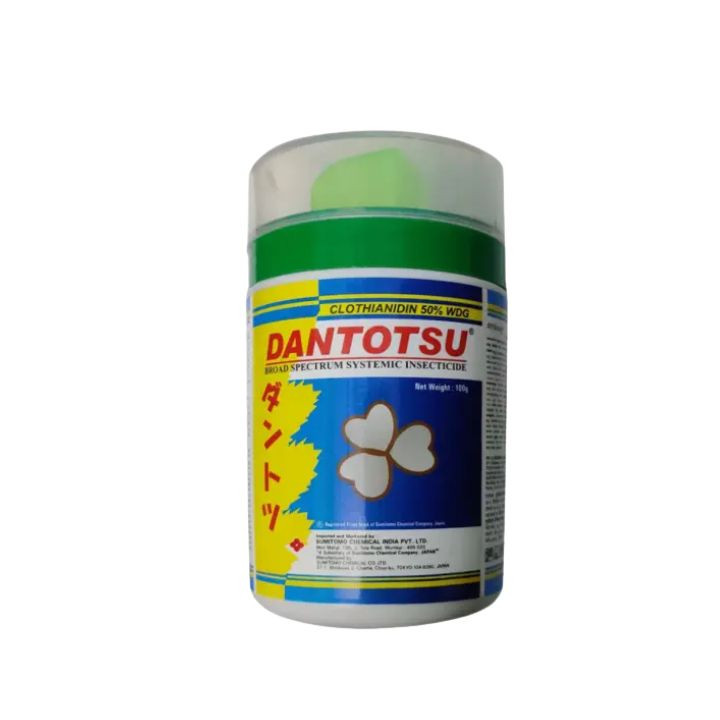
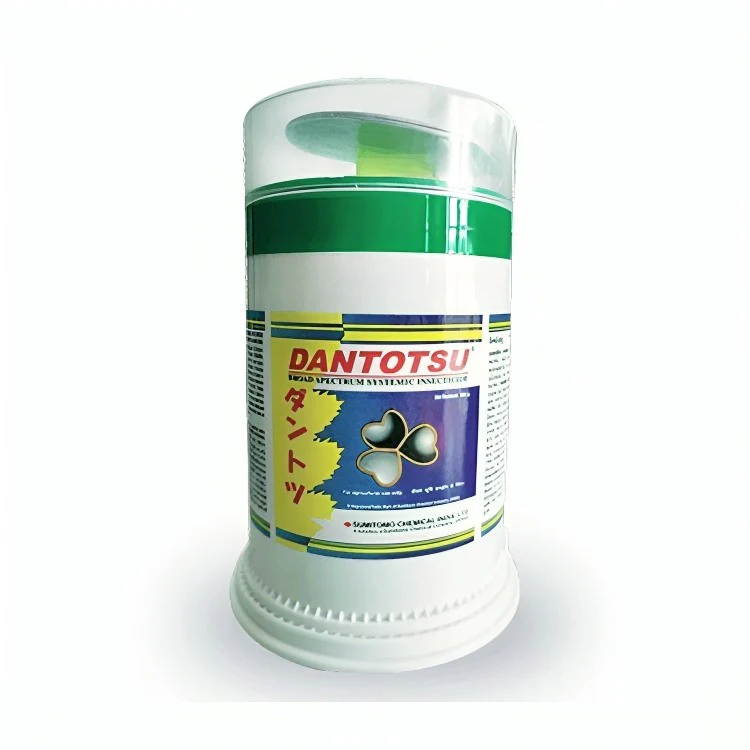
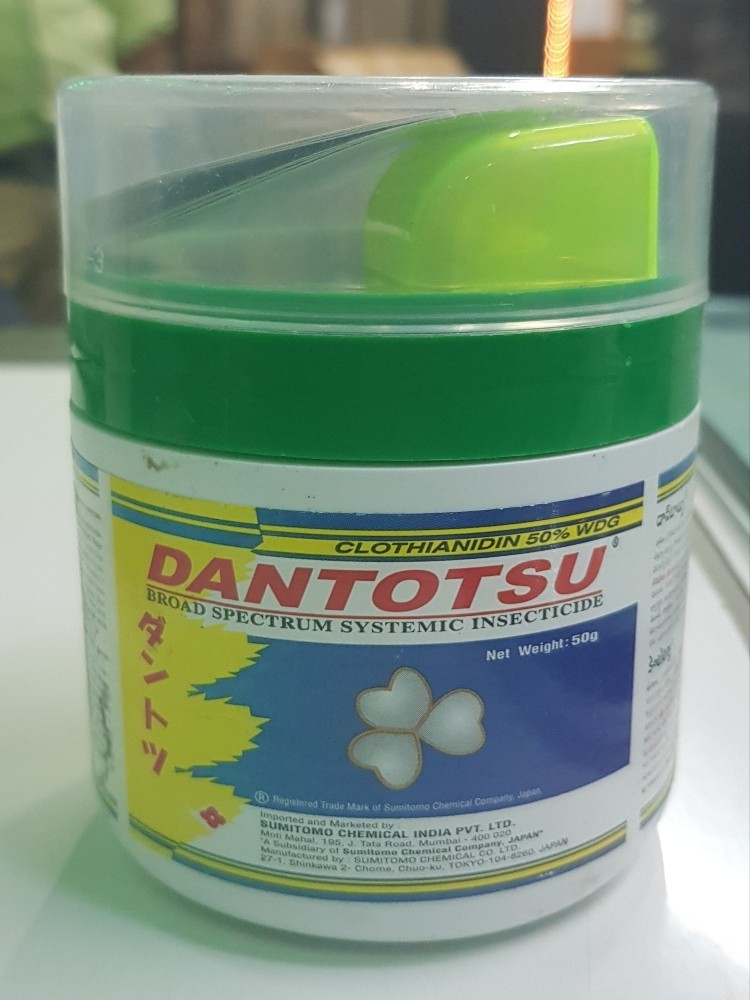
Description
-
Product Overview
Clothianidin is a second-generation neonicotinoid insecticide formulated for systemic pest control in a broad range of commercial agricultural and seed-treatment applications. It is primarily used to protect high-value row crops, vegetables, and seeds from piercing-sucking and chewing insect pests by acting on insect nicotinic acetylcholine receptors. The key value proposition is reliable, long-lasting systemic protection that reduces crop loss and lowers application frequency, improving operational efficiency and total cost of crop protection. Strategically, Clothianidin is important for formulators, seed processors, and large-scale growers seeking consistent, scalable pest-management performance within integrated pest management (IPM) programs. -
Key Specifications & Technical Characteristics
-
Chemical name: Clothianidin (IUPAC: (E)-1-(2-chloro-5-thiazolylmethyl)-3-methyl-2-nitroguanidine)
-
CAS number: 210880-92-5
-
Composition: Active ingredient technical-grade Clothianidin, with options for formulated concentrates (e.g., SC, WG) on request
-
Purity / grade: Technical grade typically 95.0%–98.5% a.i. (custom grades available subject to contract)
-
Physical form: Off-white to pale yellow crystalline solid (technical); formulated products: suspension concentrate (SC), water-dispersible granule (WG) options
-
Particle characteristics: Technical crystalline powder, bulk density ~0.45–0.65 g/cm³ (batch-specific certificate of analysis provided)
-
Solubility: Low water solubility; soluble in common organic solvents (refer to SDS for details)
-
Melting point: Product-specific; refer to certificate of analysis for lot data
-
Stability and storage: Stable under recommended conditions; store in cool, dry, well-ventilated area away from incompatible materials
-
Packaging options: 25 kg fiber drums, 50 kg HDPE drums, 200 kg steel drums, IBCs for formulated liquids, bulk ISO tanks for large-volume liquid shipments; private-label packaging available by agreement
-
Shelf life: Typically 24 months for technical-grade material when stored unopened under recommended conditions; formulated product shelf life varies by formulation (typically 12–24 months)
-
Compliance documentation: Certificate of Analysis (CoA), Safety Data Sheet (SDS), GMP/QA batch records, and export documentation provided with shipments
-
Core Industrial Applications
-
Primary industries: Agrochemical formulators, seed treatment processors, large-scale commercial agriculture (row crops, oilseed, cereals), vegetable growers, and distribution wholesalers.
-
Operational use cases: Seed coating for systemic early-stage pest protection; soil and foliar applications in integrated spray programs; incorporation into multi-active formulations to broaden pest spectra and manage resistance.
-
Performance rationale: Clothianidin delivers prolonged systemic protection that reduces the need for repeated applications, lowering labor and machinery costs. As a seed-treatment active, it offers uniform uptake and early-season crop protection versus contact-only alternatives. For large-scale operations, its persistence and systemic activity improve predictability and planning of crop protection schedules.
-
Commercial relevance: Enables formulators and growers to optimize pesticide application cycles, achieve higher effective field life per application, and potentially reduce total active input compared with shorter-duration insecticides.
-
Competitive Advantages
-
Quality consistency: Supplied with traceable batch CoA and in-house QC testing to ensure consistent active ingredient content and physical properties.
-
Supply reliability: Structured production scheduling and multi-regional supply options to support continuous availability and minimize lead-time risk for enterprise buyers.
-
Logistics capability: Flexible packaging (drums, IBCs, ISO bulk) and experienced freight coordination for containerized export (FOB/CIF) to major agricultural markets.
-
Price competitiveness: Volume-tiered pricing and contract terms available for recurring large-volume procurement, enabling predictable unit costs for formulators and distributors.
-
Sustainability considerations: Opportunities for optimized application rates through seed treatment and systemic use, potentially lowering overall pesticide load per hectare; supplier can provide documentation for regulatory and stewardship compliance where applicable.
-
Technical support: Detailed product technical sheets, SDS, CoA, application guidance for formulation and seed-treatment partners, and responsive technical account management for product integration and troubleshooting.
-
Commercial & Supply Information
-
Minimum order quantity (MOQ): BULK 20MT
-
Loading capacity: Typical loading capacity per 20′ container ~20 MT for packaged product (subject to packaging type and weight distribution); per 40′ container ~24–26 MT for palletized drums, up to ~24–25 MT for IBC/bulk configurations. Specific loading plans provided per order to maximize safety and shipping compliance.
Reviews
There are no reviews yet.