
Description
1. Product Overview
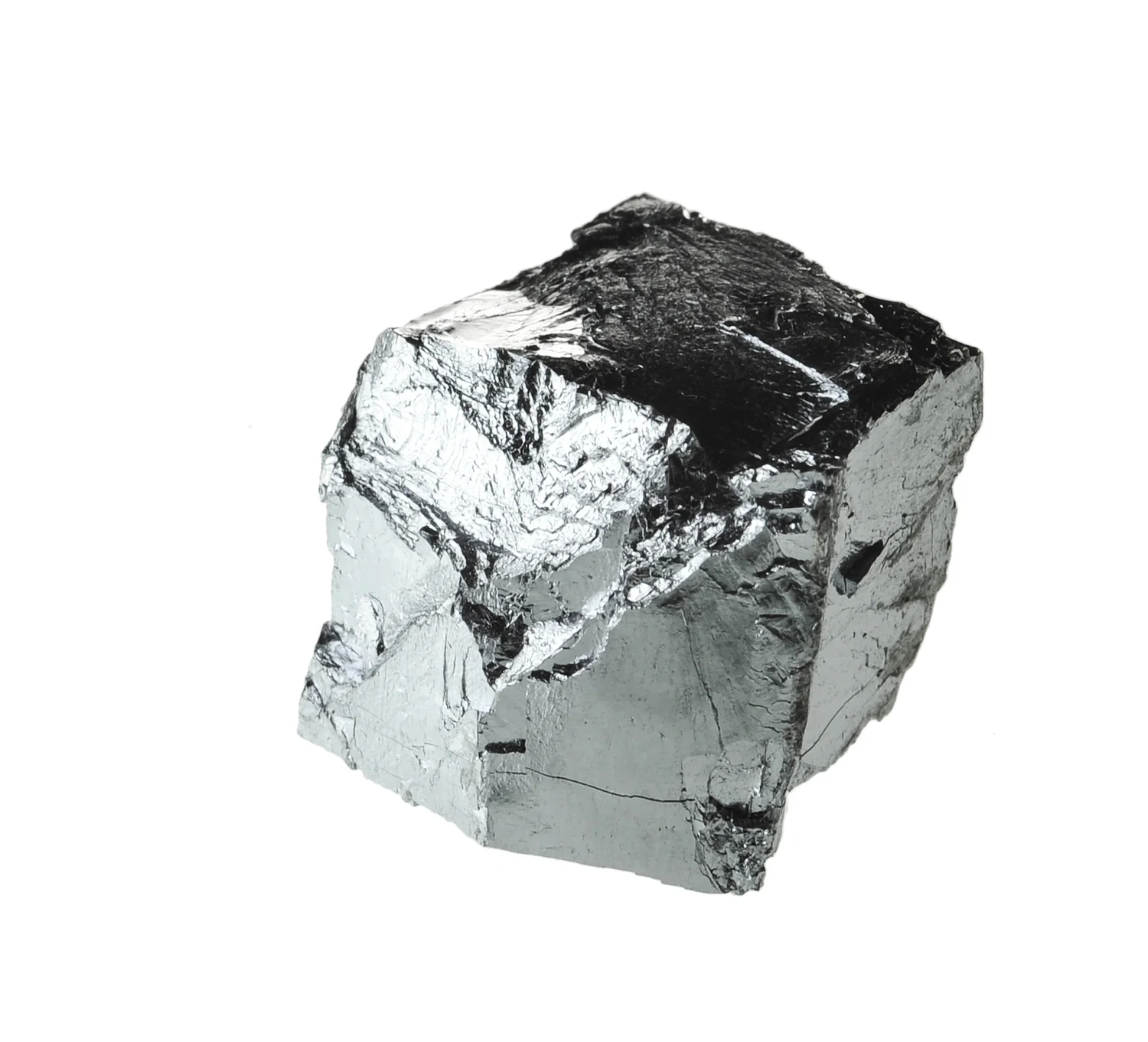
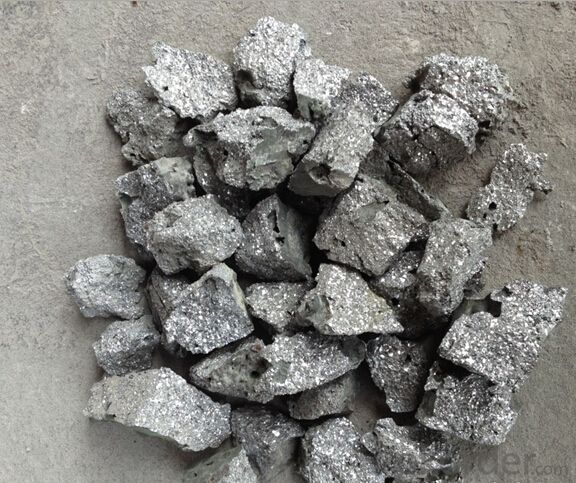
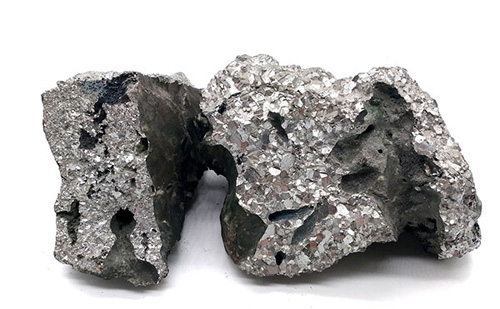
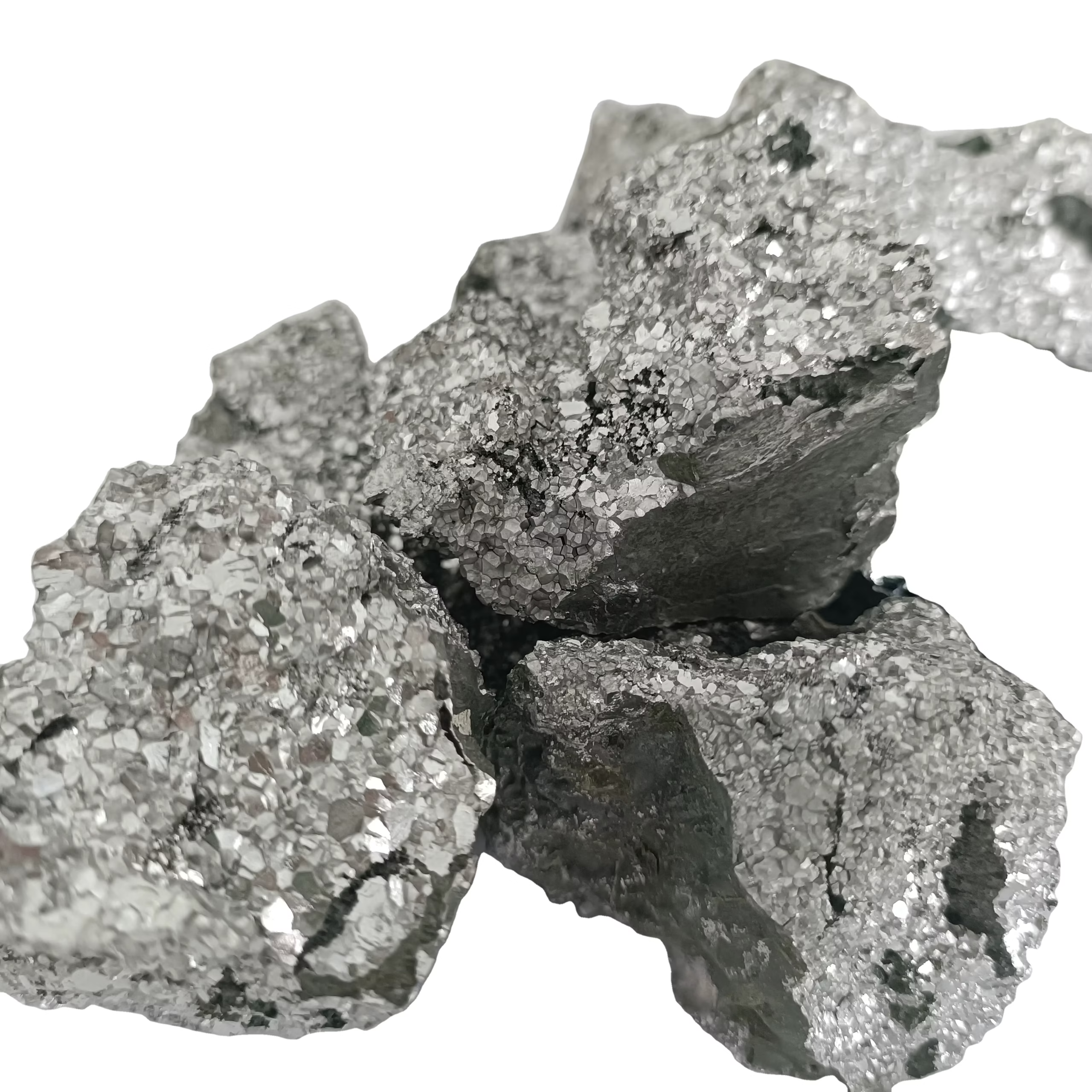
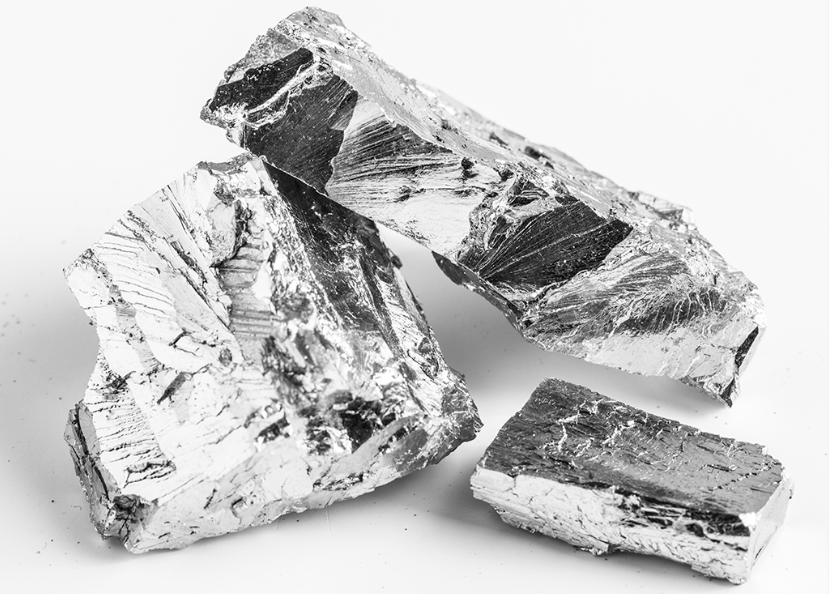
Chromium Slag is a high-density, chemically stable by-product derived from the smelting of ferrochrome and metallic chromium, processed and graded for secondary industrial applications. Its primary industrial use is as a high-performance aggregate in refractory materials, foundry sands, and abrasives, as well as a chromium oxide precursor in specialty chemical processes. The key value proposition lies in its exceptional resistance to high-temperature corrosion, high specific gravity, and low leachable chromium-VI content when properly treated, offering a cost-effective substitute for virgin chrome ore. Strategically, this product is critical for industries seeking to secure secondary raw material streams, reduce dependency on primary mining, and meet circular economy targets without compromising on metallurgical or refractory performance.
2. Key Specifications & Technical Characteristics
-
Chemical Composition: Cr₂O₃ (28–35%), SiO₂ (4–8%), Al₂O₃ (12–18%), Fe₂O₃ (6–10%), CaO (2–5%), MgO (20–25%)
-
Purity / Grade: Industrial Grade (Type A – Refractory; Type B – Abrasive/Foundry)
-
Hexavalent Chromium (Cr⁶⁺) Content: < 2 ppm (treated / stabilized slag) – compliant with EU REACH and US EPA standards
-
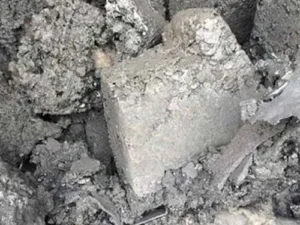
Physical Form: Granular, angular to sub-angular particles
-
Color: Dark grey to black
-
Particle Size Distribution:
-
0–1 mm, 1–3 mm, 3–5 mm, 5–10 mm (custom blends available)
-
-
Specific Gravity: 3.4 – 3.8 g/cm³
-
Bulk Density (loose): 1.6 – 1.9 t/m³
-
Melting Point: > 1750°C
-
Packaging Options:
-
1 MT big bags (weatherproof)
-
25 kg multilayer paper/plastic bags
-
Bulk loose in container liners
-
-
Shelf Life: Indefinite when stored in dry, covered conditions (no chemical degradation)
3. Core Industrial Applications
-
Refractory Industry: Used as an aggregate in high-alumina and magnesia-chrome bricks for steel ladles, cement kilns, and glass furnaces. Outperforms natural chrome ore by offering lower thermal expansion and better spalling resistance at similar cost.
-
Foundry & Abrasives: Applied as a high-density blast media or core sand in steel foundries. Its angular shape and high hardness (Mohs 7–8) provide faster cleaning cycles and lower media consumption than garnet or copper slag.
-
Chemical Industry: Processed further to extract chromium oxide pigments and trivalent chromium salts. Provides a lower-cost, lower-carbon feedstock compared to chromite ore.
-
Construction & Heavy Concrete: Used as a heavyweight aggregate for radiation shielding concrete in medical or nuclear facilities – superior density consistency vs. natural aggregates like barite.
-
Cost Advantage: 20–35% lower cost per ton than equivalent-grade virgin chromite, with no sacrifice in thermal or mechanical stability.
4. Competitive Advantages
-
Quality Consistency: Each lot is tested for Cr⁶⁺, particle size distribution, and bulk density; certified analysis report provided per shipment.
-
Supply Reliability: Backed by multi-year offtake agreements with integrated ferrochrome smelters; available year-round, unaffected by mining seasonality or geopolitics.
-
Logistics Capability: Strategically warehoused near major ports (Rotterdam, Durban, Shanghai, Houston); lead times as low as 7–10 days for container shipments.
-
Price Competitiveness: Fixed quarterly pricing available for contract buyers; volume discounts from 5,000 MT/year.
-
Environmental & Sustainability: Diverted from landfill – each ton used saves 1.8 t CO₂e vs. virgin chromite mining and processing. Eligible for green procurement credits under LEED, BREEAM, and ISO 14001 supply chain criteria.
-
Technical Support: Full Material Safety Data Sheet (MSDS), application engineering guidance, and free sample characterization (XRD, XRF, particle size) prior to first order.
5. Commercial & Supply Information
-
Minimum Order Quantity (MOQ): 20 MT (one full truckload or loose container)
-
Bulk Loading Capacity: 20 MT per 20-ft container (loose, using liner bag)
-
Containerized Options:
-
20-ft dry container: 20–22 MT (loose or big bags)
-
40-ft container (big bags only): 24–26 MT (max)
-

Reviews
There are no reviews yet.