
Description
1. Product Overview
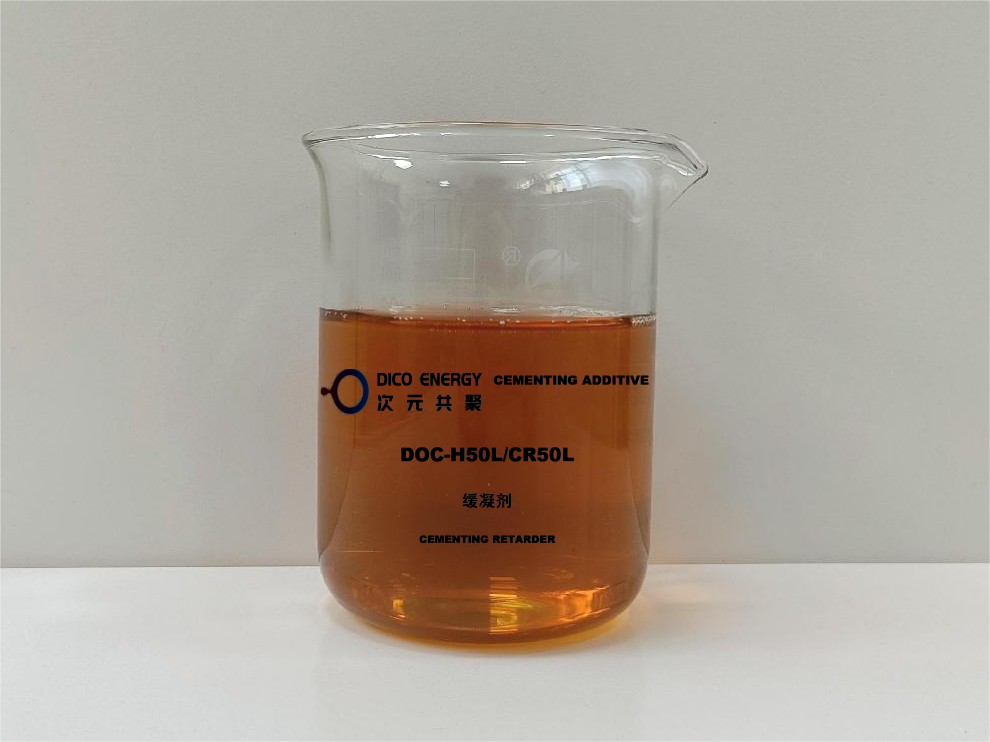
Cement Dispersant — Rheology Control is a high-performance polymeric additive engineered to optimize particle dispersion and fluidity in cementitious systems. Its primary industrial use is to reduce water demand while maintaining workability in concrete, precast, dry-mix mortar, and oil well cementing operations. The key value proposition is superior slump retention and flowability at low dosages, enabling higher early and ultimate strength, reduced cement content, and improved pumping efficiency. In a market driven by carbon reduction mandates and cost pressure, this dispersant is strategically important because it directly lowers CO₂ per m³ of concrete and improves production throughput for ready-mix, precast, and construction chemical manufacturers.
2. Key Specifications & Technical Characteristics
- Chemical Composition: Polycarboxylate ether (PCE) based copolymer with tailored side-chain density; chloride-free, alkali content <2.0%
- Purity Level / Grade: Industrial grade, active solid content 40% ± 1.0% or 50% ± 1.0% available; Na₂SO₄ content ≤5.0%
- Physical Characteristics:
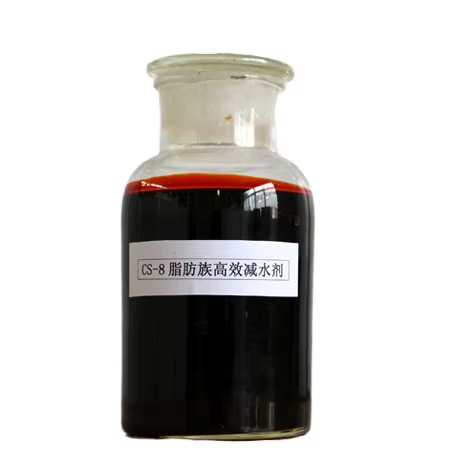
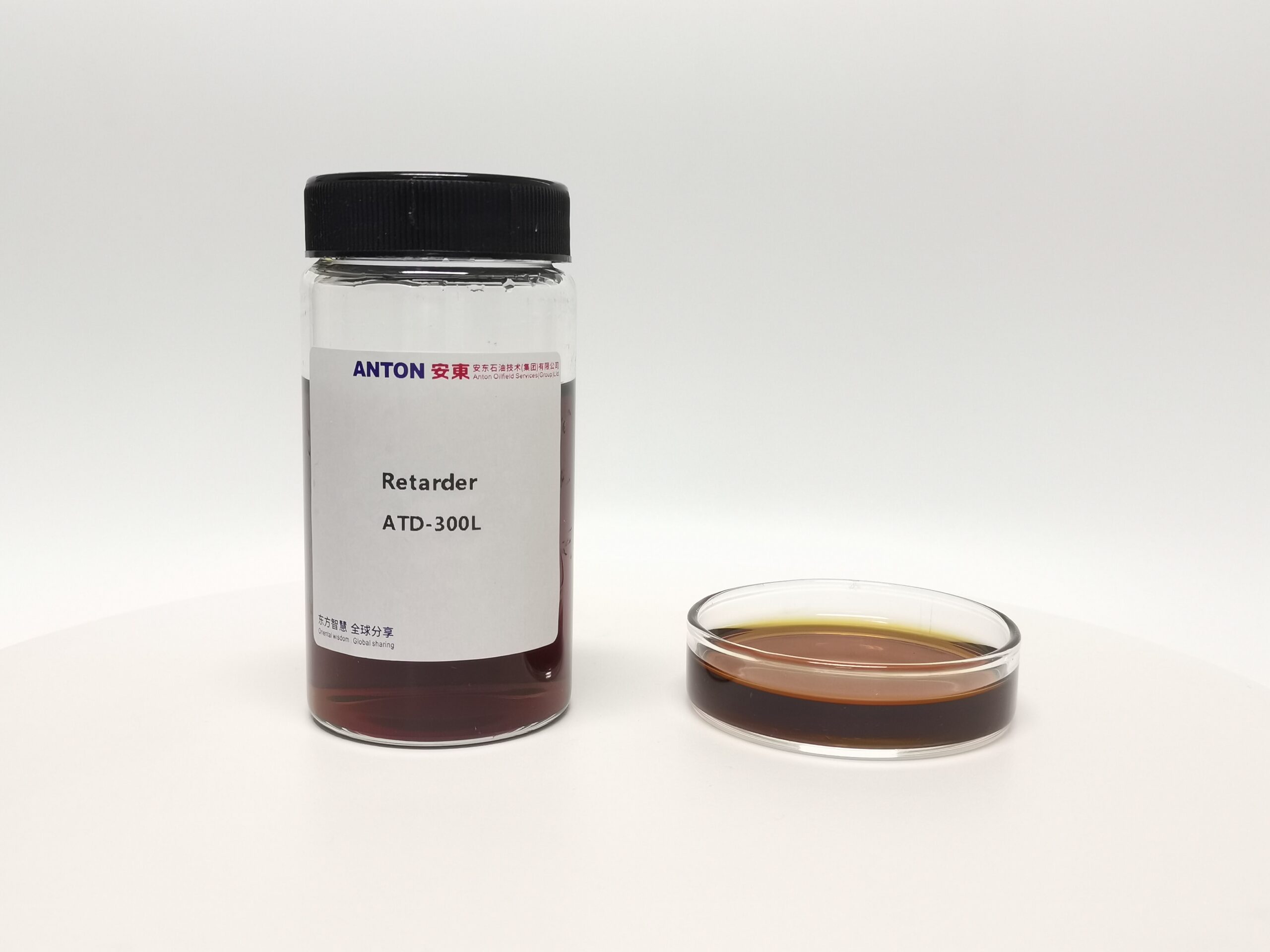
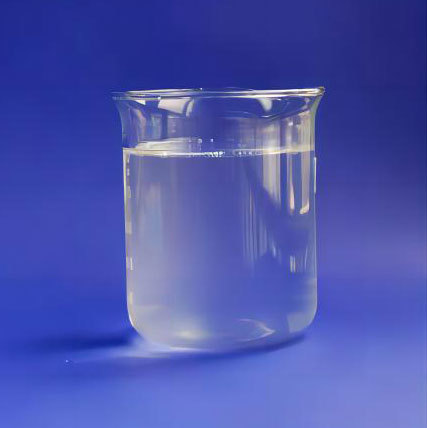
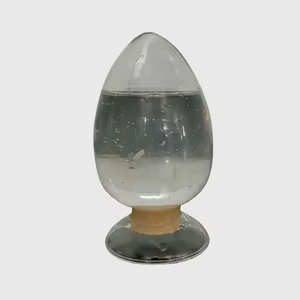
- Form: Clear to light yellow liquid; powder grade available upon request
- Color: Pale yellow to amber
- Density @ 20°C: 1.08 ± 0.02 g/cm³ for 40% liquid
- pH (10% solution): 5.0–7.0
- Viscosity @ 25°C: ≤100 mPa·s
- Packaging Options: 230kg HDPE drums, 1100kg IBC totes, 20–24MT flexitank/ISO tank; powder: 25kg bags, 750kg jumbo bags
- Shelf Life: 12 months in original sealed containers, stored between 5°C–35°C; protect from direct sunlight and freezing
3. Core Industrial Applications
- Primary Industries: Ready-mix concrete, precast & prestressed concrete, dry-mix mortar, self-compacting concrete (SCC), high-performance concrete (HPC), oil & gas well cementing, cement grinding aids
- Specific Operational Use Cases: Slump retention for long-haul delivery, high-flow SCC without segregation, low W/C ratio concrete for precast demolding cycles, rheology control in high-temperature well cement slurries, viscosity reduction in ultra-fine cement grouts
- Performance vs. Alternatives: Delivers 25–40% water reduction vs. traditional lignosulfonate or naphthalene sulfonate dispersants, with 2–3x longer slump life and minimal retardation. Outperforms standard PCEs in clay-contaminated aggregates and low-temperature casting due to steric hindrance stability.
- Efficiency, Durability, Cost Advantages: Enables 5–15% cement reduction while maintaining strength class, cutting material cost and CO₂ footprint. Improves pumpability, reducing wear and energy use. Enhances 24h demolding strength for precast, increasing mold turnover by 15–25%.
4. Competitive Advantages
- Quality Consistency: ISO 9001 certified production with batch-to-batch active content variance ≤1.0%, full COA and traceability per lot
- Supply Reliability: Dedicated 50,000 MT/year PCE capacity with regional stocking hubs in Asia, EMEA, and Americas for 2–4 week lead times
- Logistics Capability: Dangerous goods exempt, non-hazardous classification; optimized for flexitank and ISO tank shipments to reduce freight cost per MT
- Price Competitiveness: Direct manufacturer pricing with tiered volume discounts; total cost-in-use 10–18% lower than tier-1 brands due to dosage efficiency
- Sustainability Benefits: Contributes to LEED and EPD points by enabling clinker reduction; REACH, TSCA compliant; formaldehyde-free manufacturing process
- Technical Support: Full application lab support, concrete mix design optimization, on-site trials, SDS, TDS, EN 934-2 and ASTM C494 Type F compliance documentation
5. Commercial & Supply Information
- Minimum Order Quantity (MOQ): BULK 20MT
- Loading Capacity: 20MT per 20ft container in IBCs; 22–24MT per 20ft container in flexitank

Reviews
There are no reviews yet.