
Description
Product Overview
Cellulose Gum (E466) is a high-purity, water-soluble cellulose derivative used as a rheology modifier, stabilizer, binder and thickening agent across industrial formulations. Primarily deployed in paints & coatings, adhesives, ceramic glazes, oilfield fluids, and personal care intermediates, it provides predictable viscosity control and suspension performance under wide processing conditions. The key value proposition is consistent functional performance batch-to-batch, enabling formulators to reduce dosage, minimize rework, and improve product stability. Strategically, sourcing reliable Cellulose Gum E466 reduces formulation risk, shortens time-to-market for new product variants, and supports scalable industrial production.
Key Specifications & Technical Characteristics
-
Chemical identity: Sodium carboxymethyl cellulose (Cellulose Gum, E466).
-
CAS number: 9004-32-4.
-
Functional group: Carboxymethyl-substituted cellulose ether.
-
Degree of substitution (DS): Typical range 0.7–1.2 (specify per grade).
-
Viscosity grades: Available in low, medium, and high viscosity grades measured as Brookfield viscosity at 2% aqueous solution (e.g., 100–1,200 mPa·s) — grade-specific certificates available.
-
Purity/grade: Industrial / Technical grade, free from heavy metal contaminants within regulatory limits; custom USP/food/pharma grades available on request.
-
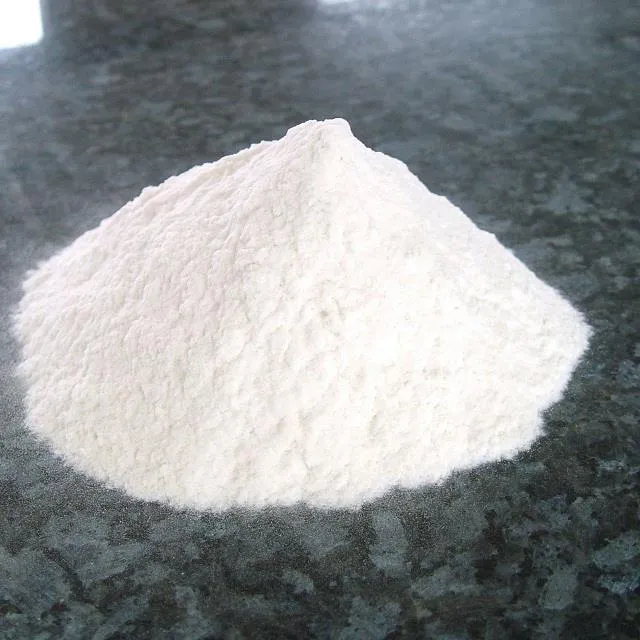
Physical form: Free-flowing powder, non-dusting granules or agglomerated beads (grade dependent).
-
Color: Off-white to cream.
-
Particle size: Median particle size typically 50–300 µm; sieving options for narrow distributions.
-
Bulk density: Typically 300–600 kg/m³ (depends on granulation).
-
Solubility: Readily soluble in cold and hot water; forms clear to opalescent solutions depending on grade and concentration.
-
pH of 1% solution: Approximately 6.0–8.0 (grade dependent).
-
Moisture content: ≤10% (typical specification available).
-
Ash content: Industry-standard low ash (specify value on request).
-
Packaging: Multi-layer kraft sacks with polyethylene liner (25 kg, 50 kg), supersacks/ FIBC (1,000 kg), or bulk pneumatic tanker options for specialty forms.
-
Shelf life: 24 months when stored in original, unopened packaging in a cool, dry place; evidence-based storage guidance provided.
Core Industrial Applications
-
Paints & Coatings: Acts as a thickener, anti-sag agent and rheology modifier to improve brushability, sag resistance and pigment suspension. Delivers more stable viscosity over production and storage, reducing pigment settling and rework.
-
Adhesives & Sealants: Provides controlled viscosity, open time extension, and improved wet tack in waterborne adhesives and construction sealants; enables lower solvent content and higher solids formulations.
-
Ceramics & Glazes: Functions as a binder and suspending agent for clay slips and glazes, improving green strength and reducing defects in drying and firing.
-
Oil & Gas (Drilling fluids): Serves as a viscosifier and fluid-loss reducer in water-based drilling muds, enhancing cuttings transport and borehole stability while being compatible with common additives.
-
Personal Care & Detergents: Stabilizes emulsions and suspensions, imparts desirable sensory properties (body, spreadability) in lotions, creams, and liquid soaps. Available in higher-purity grades for cosmetic applications.
-
Paper & Fiber Processing: Improves retention, sheet formation, and wet-end stability; used as a binder in specialty papers.
Why it outperforms alternatives -
Predictable rheological profile across shear rates allows formulators to fine-tune flow and leveling without trial-and-error.
-
Lower effective dosages compared with lower-performance cellulose ethers and some synthetic thickeners, delivering cost-in-use savings.
-
High compatibility with common co-additives (surfactants, pigments, fillers), reducing formulation reformulation time.
Competitive Advantages
-
Quality consistency: Tight in-house QC with batch certificates for viscosity, DS, moisture, and microbial limits ensures repeatable formulation outcomes.
-
Supply reliability: Structured production planning, multiple production lots, and buffer inventory minimize stockouts for long-term contracts.
-
Logistics capability: Flexible packaging (sacks, FIBC, bulk), palletising, and coordination for sea/road/air freight; experienced export documentation and customs support for global distribution.
-
Price competitiveness: Tiered pricing tied to volume commitments and long-term agreements; cost-in-use analysis provided to demonstrate total value.
-
Sustainability: Produced from renewable cellulose feedstock, low-VOC, water-based application compatibility reduces environmental footprint versus solvent-based alternatives. Certification or sustainability data sheets available upon request.
-
Technical support: Application lab support, formulation guidance, stability testing, and safety/handling documentation (TDS, SDS) provided with supply. Custom grade development available for strategic partners.
Commercial & Supply Information
-
Minimum order quantity (MOQ): BULK 20 MT.
-
Typical packaging options: 25 kg and 50 kg sacks, 1,000 kg FIBC, or bulk tanker for large volumes.
-
Loading capacity (MT per container):
-
20 ft container: up to 20 MT (bulk / FIBC, depending on packaging and palletisation).
-
40 ft container: up to 24–26 MT (optimised pallet configuration) or up to 28–30 MT in bulk loose/displaceable loading methods—confirm per shipment.
-

Reviews
There are no reviews yet.