
Description
1. Product Overview
Boron Nitride Ceramic (hexagonal polymorph, h-BN) is a high-performance advanced ceramic engineered for extreme thermal management and electrical isolation in demanding industrial environments. Its primary industrial use lies in high-temperature processing equipment, semiconductor manufacturing, and molten metal handling, where conventional ceramics fail due to thermal shock or chemical attack. The key value proposition is a unique combination of high thermal conductivity (comparable to some metals) coupled with exceptional dielectric strength and machinability. Strategically, h-BN is critical for industries transitioning to higher energy densities and temperatures—such as EV battery production and aerospace—where it enables safer, more efficient system design.
2. Key Specifications & Technical Characteristics
-
Chemical composition: Hexagonal Boron Nitride (h-BN) with trace sintering aids (e.g., B₂O₃, CaO)
-
Purity level: Standard grade 98.5%; High-purity grade 99.7% (low oxygen, low carbon)
-
Physical characteristics:
-
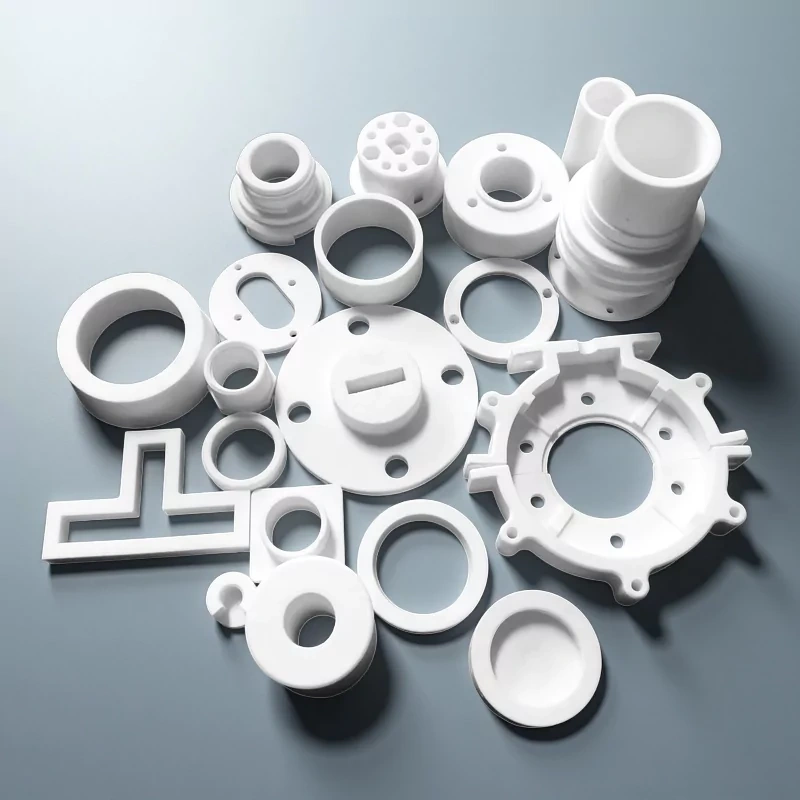
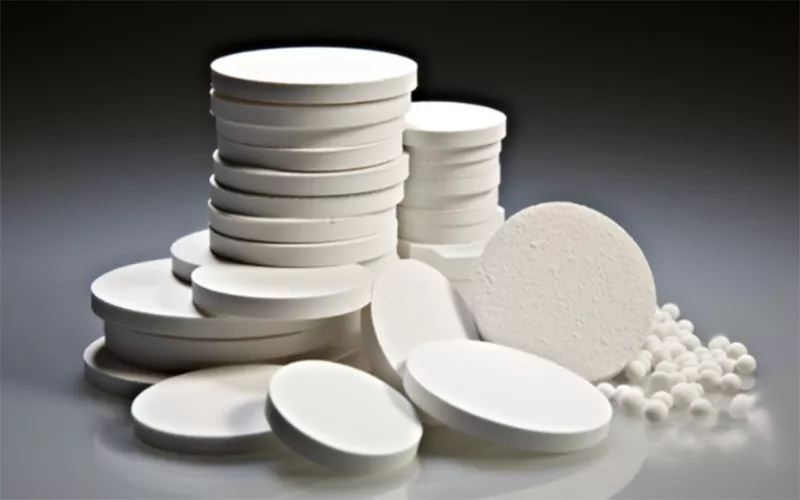
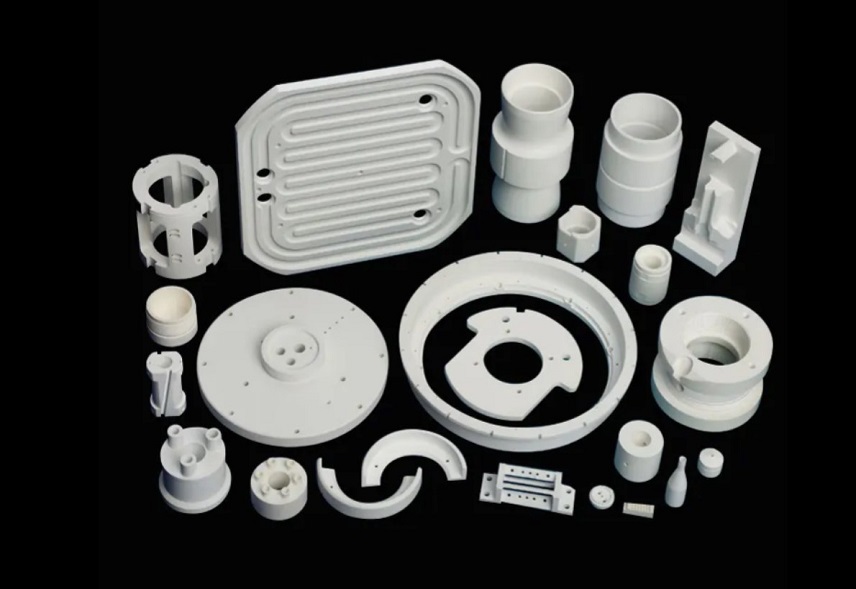
Form: Solid rods, plates, custom-machined parts, or fine powder (1–10 µm)
-
Color: White to off-white
-
Particle size (powder): D50 = 3–8 µm (adjustable)
-
Density: 1.9 – 2.1 g/cm³ (theoretical density 2.28 g/cm³)
-
Hardness: Mohs 2 (easily machinable with carbide tools)
-
Max use temperature (inert atmosphere): 2,100°C (in air: 850°C)
-
-
Packaging options: Anti-static sealed PE bags + reinforced cardboard drums; vacuum-sealed aluminum foil bags for powder
-
Shelf life: 36 months in original unopened packaging (store < 60% RH, 5–30°C)
3. Core Industrial Applications
-
Primary industries: Semiconductor & electronics, metallurgy (non-ferrous), aerospace, nuclear power, EV battery manufacturing
-
Specific use cases:
-
Semiconductor: Plasma etch chamber components, wafer handling (low particle generation)
-
Metallurgy: Crucibles and nozzles for aluminum, magnesium, and zinc die-casting (non-wetting, no reaction)
-
Aerospace: High-temperature electrical insulators for jet engine sensors
-
EV batteries: Heat spreader insulators for power modules (reduces hotspots)
-
-
Why better than alternatives:
-
vs. Alumina: 3x higher thermal shock resistance; machinable to tight tolerances
-
vs. Graphite: Electrically insulating (no short-circuit risk), non-wetting to molten metals
-
vs. Aluminum Nitride: Easier machining → 50% lower tooling cost for complex shapes
-
-
Efficiency advantage: Reduces downtime for part replacement by 4–6x in continuous molten metal contact vs. fused silica.
4. Competitive Advantages
-
Quality consistency: ISO 9001:2025 certified with 100% lot traceability; SEM/EDS verification of microstructure per batch
-
Supply reliability: Dual-sourced raw material from EU and Asia; 20MT safety stock held in regional hubs (Americas, EMEA, APAC)
-
Logistics capability: Export-ready packaging per ISPM-15; door-to-door delivery via chemical-safe ocean freight or air express (2–5 days)
-
Price competitiveness: Direct manufacturing + contract mining of boron precursors → 12–18% below market average for equivalent purity
-
Sustainability: B₂O₃ recycling program for machining scrap; no hazardous waste classification under IMO or REACH Annex XIV
-
Technical support: Full CAD design assistance, thermal simulation reports, and onsite failure analysis included for orders > 500 units
5. Commercial & Supply Information
-
Minimum Order Quantity (MOQ): BULK 20MT (metric tons) per grade/size combination
-
Loading capacity: 20MT per 20-ft dry container (standard palletized: 10 pallets of 2MT each)
Reviews
There are no reviews yet.