
Description
1. Product Overview
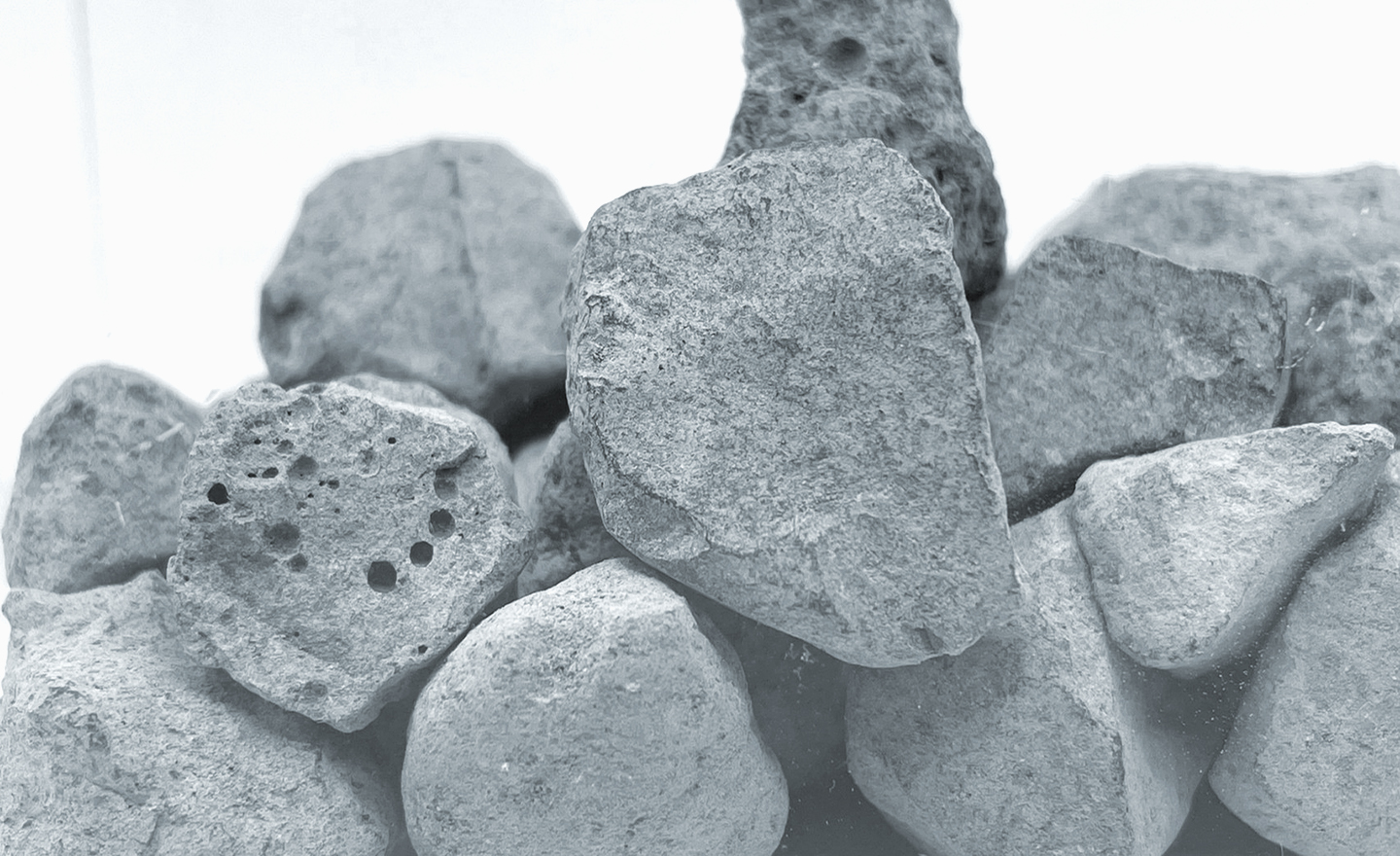
BOF Slag (Basic Oxygen Furnace Slag) is a high-density, semi-synthetic co-product generated during the basic oxygen steelmaking process, composed primarily of calcium silicates and ferrite phases. Its primary industrial use is as a high-performance substitute for natural aggregates in construction, cement raw feed, and specialized soil conditioning. The key value proposition lies in its exceptional mechanical strength, abrasion resistance, and hydraulic binding properties—delivering cost savings of 15–25% versus virgin materials. Strategically, it is critical for circular economy models, enabling steel mills and downstream industries to reduce landfill liability while securing stable, low-carbon raw materials.
2. Key Specifications & Technical Characteristics
-
Chemical composition (typical): CaO 38–48%, Fe₂O₃ 20–30%, SiO₂ 10–15%, MgO 5–10%, MnO 2–5%, P₂O₅ 1–2%
-
Free lime (free CaO): < 4% (aged and processed to ensure volumetric stability)
-
Purity / Grade: Industrial grade, available as “as-produced” (aged 3–6 months) or processed (crushed/screened)
-
Physical form: Crushed angular granules to fine sand
-
Color: Dark grey to black
-
Particle size distribution: Customizable from 0–5 mm (fine) up to 50 mm (coarse aggregate); standard 0/20 mm and 0/32 mm
-
Specific density: 3.2–3.6 g/cm³ (significantly heavier than limestone)
-
Bulk density (loose): 1.6–1.9 t/m³
-
Water absorption: 2–4% (lower than many natural aggregates)
-
Packaging options: Bulk loose in open-top containers, 1.5–2.0 MT big bags, or 50 kg industrial sacks upon request
-
Shelf life: Indefinite when stored in dry conditions; aged material is ready to use immediately
3. Core Industrial Applications
-
Primary industries: Construction (road & civil works), cement manufacturing, agriculture (soil amendment), and metallurgical flux recycling.
-
Road base and sub-base: Outperforms limestone and gravel in California Bearing Ratio (CBR > 100%) due to self-cementing properties – reduces layer thickness by 15–20%.
-
Cement kiln feed: Replaces up to 10% of limestone and iron ore in raw mix, lowering clinker production energy and CO₂ footprint.
-
Marine & hydraulic structures: High density provides ballast stability; lower water absorption reduces freeze-thaw damage compared to slag alternatives.
-
Soil correction (acidic soils): Free lime content neutralizes soil pH more rapidly than agricultural lime, while iron and manganese aid micronutrient availability.
-
Cost advantage: 20–30% lower per-ton delivered cost vs. virgin crushed stone in coastal and industrial zones.
4. Competitive Advantages
-
Quality consistency: ISO 9001-certified processing; every shipment certified with XRD analysis and Los Angeles abrasion test (< 25% for road grades).
-
Supply reliability: Direct offtake from integrated steel mills with minimum 50,000 MT/month production capacity – no quarrying seasonality.
-
Logistics capability: Dedicated rail, barge, and ocean loading facilities; 48-hour turnaround for bulk vessels.
-
Price competitiveness: Fixed quarterly pricing with volume discounts – fully landed cost analysis provided upon request.
-
Sustainability: 100% recycled material content; contributes to LEED v4.1 MR Credit and EU Construction Products Regulation (CPR) sustainability targets.
-
Technical support: Free geotechnical mix design assistance, swelling potential reports (free lime expansion < 0.5% after aging), and MSDS documentation.
5. Commercial & Supply Information
-
Minimum Order Quantity (MOQ): 20 MT (one full truckload or less-than-container load)
-
Bulk loading capacity (per 20ft container): 25–28 MT (depending on particle size density)
-
Bulk loading capacity (per 40ft open-top container): 26–30 MT
-
Bulk vessel capacity: 5,000 – 50,000 MT per shipment
-
Incoterms: EXW (mill yard), FOB (nearest port – Rotterdam, Antwerp, Houston, Busan, Shanghai), or CIF upon negotiation
-
Lead time: 7 days for MOQ bulk; 14 days for containerized orders after LC confirmation


Reviews
There are no reviews yet.