
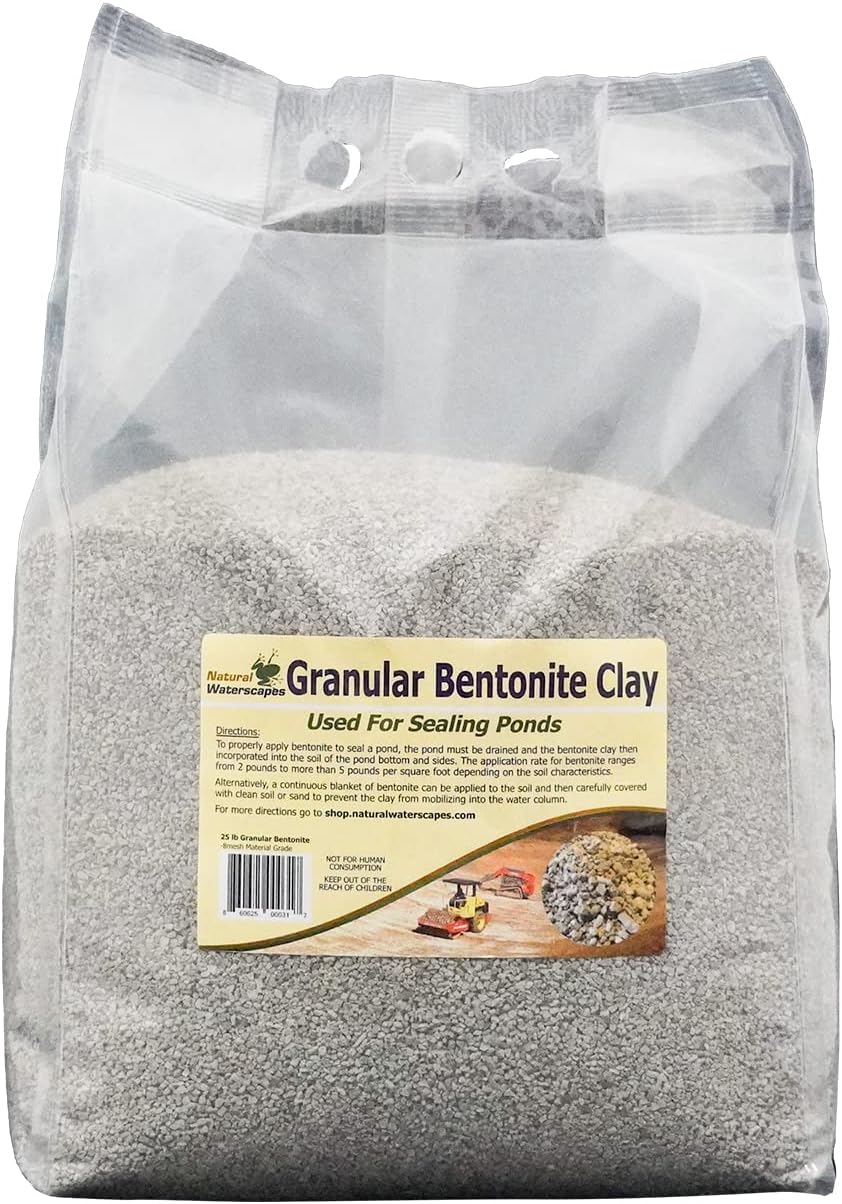

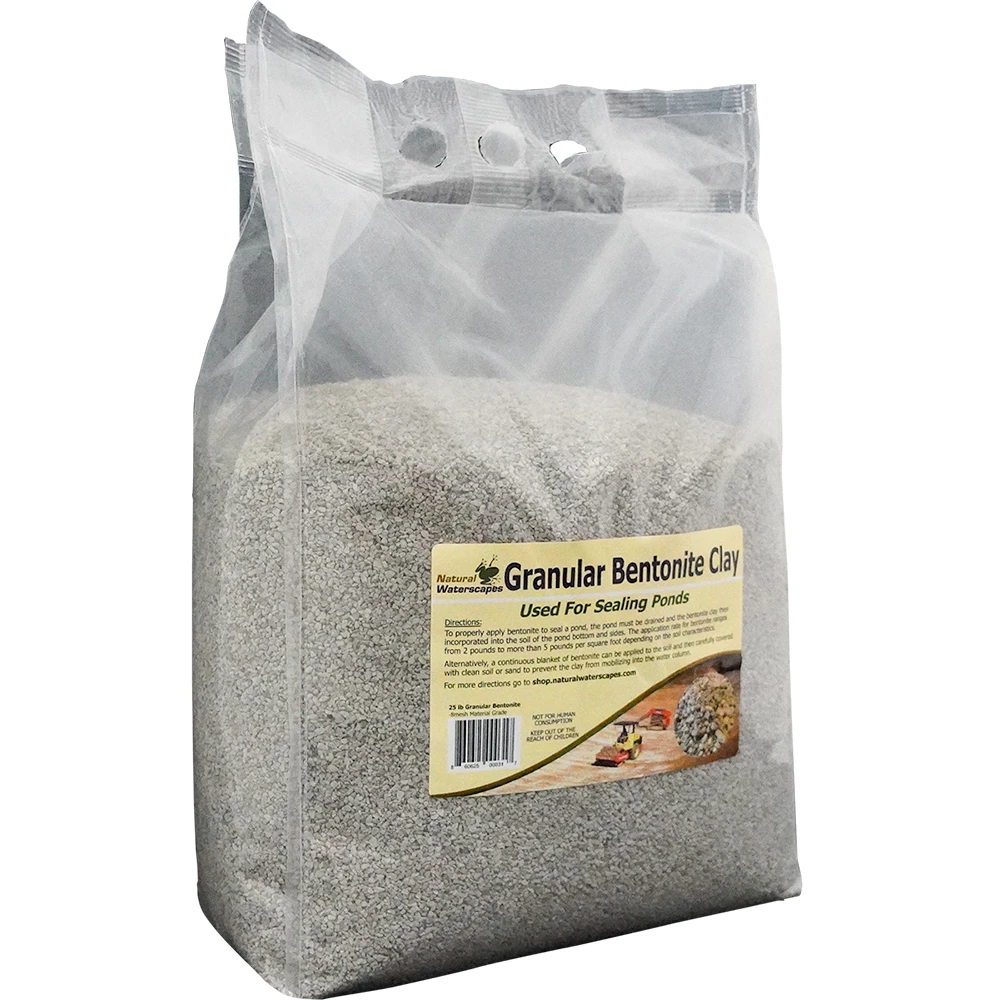
Description
1. Product Overview
Bentonite Clay Drilling Grade is a high-yield, naturally occurring sodium-based montmorillonite clay engineered specifically for the formulation of drilling fluids and slurries. Its primary industrial use is to stabilize boreholes, remove cuttings, and control fluid loss in vertical and horizontal drilling operations across oil & gas, water well, and geotechnical construction. The key value proposition is its exceptional viscosity-building capacity and thixotropic properties, which minimize downtime, reduce friction, and prevent collapse in unconsolidated formations. Strategically, this product is critical to the global energy and infrastructure sectors, directly impacting drilling efficiency and operational safety in over 80% of rotary drilling applications worldwide.
2. Key Specifications & Technical Characteristics
-
Chemical Composition: Sodium montmorillonite (≥85% smectite clay); trace quartz, feldspar, and calcite within API tolerance limits.
-
Purity / Grade: API Spec 13A Section 11; OCMA Grade compliant.
-
Physical Form: Fine, free-flowing powder; color: light cream to gray-beige.
-
Particle Size: 95% passing 200 mesh (75 microns); 70–75% passing 325 mesh.
-
Density (Specific Gravity): 2.5 – 2.7 g/cm³; bulk density: 800–950 kg/m³.
-
Yield (Barrel/ton): Minimum 85–95 bbl/ton (API yield).
-
Viscosity (600 rpm dial reading): ≥30 cP (API min: 30; typical: 34–38).
-
Fluid Loss (API filter press): ≤15 cm³ per 30 min.
-
Moisture Content: ≤10% (as shipped).
-
Packaging Options: 50 kg multi-wall paper sacks; 1 MT big bags; pneumatic bulk tanker (40 MT).
-
Shelf Life: 24 months when stored in dry, covered conditions (≤70% RH, no direct floor contact).
3. Core Industrial Applications
-
Primary Industries: Oil & gas drilling, horizontal directional drilling (HDD), water well drilling, mineral exploration, geotechnical grouting, and pile foundation boring.
-
Specific Use Cases:
-
Shale encapsulation in deep oil wells to prevent reactive formation swelling.
-
Cuttings suspension and transport in HDD to maintain borehole integrity beneath rivers or roadways.
-
Filter cake formation on permeable sands to control fluid invasion into freshwater aquifers.
-
-
Performance Advantages: Versus polymer-based fluids, this bentonite provides superior thermal stability (up to 120°C) and lower long-term fluid loss. Compared to low-grade clays, its rapid hydration (within 4–6 hours in fresh water) reduces mixing time by 30%, directly lowering rig operating costs. Thixotropic gel strength prevents settling during pipe connections, decreasing stuck-pipe incidents by an average of 40% in documented field trials.
4. Competitive Advantages
-
Quality Consistency: Every lot is API-certified with viscosity, yield, and fluid loss values held within ±5% of spec; third-party lab reports available per shipment.
-
Supply Reliability: Global sourcing from multiple pre-qualified mines with 180,000 MT annual capacity; safety stock held in Rotterdam, Houston, and Shanghai.
-
Logistics Capability: Rail-to-vessel transloading at three deep-water ports; average lead time to Americas, Europe, Middle East: 14–21 days FOB.
-
Price Competitiveness: Tier-1 quality at 6–8% below average CIF spot prices due to integrated mine-to-port ownership.
-
Sustainability: Low-carbon extraction using electric dryers; zero process wastewater discharge; bentonite is naturally inert and non-leaching, fully returnable to land after use.
-
Technical Support: Full MSDS, API certification pack, and on-call drilling fluids engineering support; custom blending for specific formation salinity (up to 35,000 ppm brine resistance).
5. Commercial & Supply Information
-
Minimum Order Quantity (MOQ): BULK 20 MT (20 metric tons) per product grade.
-
Loading Capacity (MT per container):
-
20-ft dry container: 22 MT net (palletized: 20 MT)
-
40-ft dry container: 26 MT net
-
Bulk pneumatic tank container: 24 MT
-
-
Bulk vessel loading: 3,000 MT per 5,000 DWT hold; up to 15,000 MT per shipment.
Reviews
There are no reviews yet.