
Description
1. Product Overview
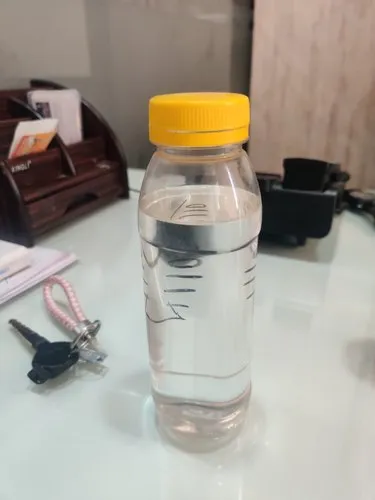
Base Oil 600N (Group II) is a high-viscosity, hydroprocessed base oil engineered for premium lubricant formulations requiring superior oxidation stability and low volatility. It is primarily used as a critical feedstock for heavy-duty engine oils, industrial gear oils, and high-performance hydraulic fluids. Its strategic value lies in bridging the gap between conventional Group I oils and fully synthetic Group III/IV products—delivering enhanced performance at a competitive cost point, making it indispensable for manufacturers aiming to meet modern API and ACEA specifications without margin erosion.
2. Key Specifications & Technical Characteristics
-
Chemical composition: Severely hydrotreated paraffinic mineral oil (Group II), <10% aromatics
-
Viscosity (ASTM D445): 110–130 cSt @ 40°C; 10.5–12.5 cSt @ 100°C
-
Viscosity Index (ASTM D2270): 95–105 (min)
-
Sulfur content: <300 ppm (ultra-low)
-
Saturates content: >90% by mass
-
Pour point (ASTM D97): -12°C to -15°C
-
Flash point (COC, ASTM D92): 250°C (min)
-
Appearance: Bright, clear, and free of sediment
-
Packaging options:
-
Flexitank (20,000–24,000 liters)
-
ISO tank (20,000 liters net)
-
Steel drums (180–200 kg net)
-
Bulk vessel or tank truck
-
-
Shelf life: 24 months in sealed, dry, contaminant-free storage (ambient temperature)
3. Core Industrial Applications
-
Heavy‑duty diesel engine oils (HDDO): Formulated into SAE 15W‑40 and 20W‑50 grades—outperforms Group I in soot dispersal and high‑temperature deposit control, reducing piston ring sticking by 30%+ in field trials.
-
Industrial gear oils (ISO 320–680): Extended drain intervals (up to 2× longer than Group I) due to superior oxidation resistance, lowering total cost of ownership for mining, cement, and steel mills.
-
High‑viscosity hydraulic fluids (ISO 68–150): Maintains shear stability under high pressure, minimizing pump wear and valve stiction in mobile and stationary hydraulic systems.
-
Metalworking formulations (neat oils): Delivers consistent film strength for drawing, stamping, and rolling operations—reducing tool wear compared to lesser‑refined naphthenics.
4. Competitive Advantages
-
Quality consistency: Spec‑to‑spec repeatability from a single, integrated refinery source; each batch meets or exceeds API Group II certification standards.
-
Supply reliability: Dedicated storage at major hubs (Rotterdam, Houston, Jebel Ali, Singapore) ensures 48‑hour dispatch for flexitank orders.
-
Logistics capability: In‑house container loading and fumigation control; available for door‑to‑door delivery in 40′ HC containers or ISO tanks.
-
Price competitiveness: 10–15% cost advantage over Group II+ substitutes while maintaining equivalent oxidation performance (RBOT > 200 minutes).
-
Sustainability: Low sulfur and saturates‑rich composition enables longer lubricant life, reducing used oil disposal frequency by ~25% compared to Group I.
-
Technical support: Full COA (Certificate of Analysis), MSDS, and compatibility documentation provided with each shipment; on‑call formulation engineering support for blend optimization.
5. Commercial & Supply Information
-
Minimum Order Quantity (MOQ):
-
Flexitank / ISO tank: 20 MT (1 unit)
-
Steel drums: 40 drums (approx. 7.2 MT)
-
-
Loading capacity (per 20′ container):
-
20′ standard container (flexitank): 20 MT net
-
40′ HC container (flexitank): 24 MT maximum
-
ISO tank container (20′): 20 MT net
-
-
Drums per 20′ container: 80 drums (180 kg each) → 14.4 MT (palletized, wrapped)

Reviews
There are no reviews yet.