
Description
1. Product Overview
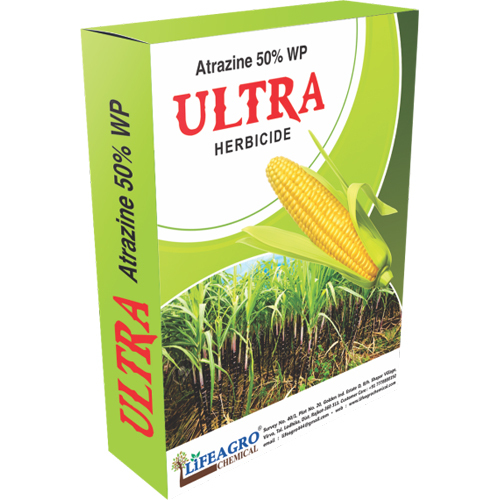
Atrazine is a high-purity, systemic triazine herbicide designed for large-scale pre- and post-emergence control of broadleaf weeds and annual grasses. Its primary industrial application lies in intensive row-crop agriculture—specifically corn, sugarcane, sorghum, and pineapple—where it delivers unmatched residual soil activity. The key value proposition is operational efficiency: a single application provides extended weed suppression, reducing labor and machinery passes. Strategically, Atrazine remains indispensable for global food security as a cost-effective tool to manage herbicide-resistant weed populations in commodity grain production.
2. Key Specifications & Technical Characteristics
-
Chemical composition: 6-chloro-N-ethyl-N’-(1-methylethyl)-1,3,5-triazine-2,4-diamine (Atrazine technical, 97% min. active ingredient)
-
Purity level: Technical grade ≥97% (Agro-grade); Formulation-ready (WG, SC, or 90% WDG variants available)
-
Physical characteristics:
-
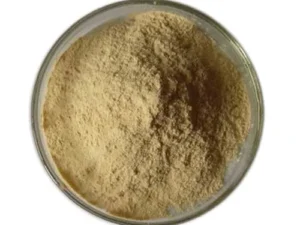
Form: White to off-white fine powder (technical) or free-flowing granules (WG/WDG)
-
Particle size: 90% through 325 mesh (technical); granules 0.5–2.0 mm
-
Bulk density: 0.48–0.55 g/cm³
-
Solubility: 35 mg/L in water (20°C); soluble in organic solvents
-
-
Packaging options: 25 kg net multi-wall kraft paper bags with PE liner; 500 kg or 1,000 kg jumbo big bags; IBC totes (1,200 L for SC formulations)
-
Shelf life: 36 months in original unopened packaging under dry, shaded conditions (≤30°C)
3. Core Industrial Applications
-
Primary industries: Row-crop agribusiness (corn, sugarcane, sorghum), plantation agriculture (pineapple, macadamia), non-crop industrial vegetation management (railways, pipelines).
-
Specific operational use cases:
-
Pre-emergence broadcast application in corn (1.5–2.5 kg a.i./ha) combined with metolachlor for resistance management.
-
Post-emergence directed spray in sugarcane ratoon crops (2.0–3.0 kg a.i./ha) to suppress pigweed and foxtail.
-
Fallow management in conservation tillage systems (2.0 kg a.i./ha) prior to sorghum planting.
-
-
Performance advantages: Longer residual activity (6–12 weeks) than acetochlor or pendimethalin; photostable on soil surface; rainfast within 2 hours. Economically, Atrazine delivers lowest cost per hectare of soil-applied chemistry for grass/ broadleaf control (typically 8–12USD/havs.22–30 for alternatives).
4. Competitive Advantages
-
Quality consistency: ISO 9001:2015 certified manufacturing with batch-to-batch COA; ≤0.1% moisture content prevents caking; GC-MS verified impurity profile (≤0.2% related triazines).
-
Supply reliability: Dual-sourced production (China + India) with buffer stock of 1,200 MT; lead time 15–20 days ex-warehouse (Rotterdam, Houston, Singapore).
-
Logistics capability: Hazard Class 9 (UN3077) compliant packaging; temperature-controlled container bookings available for tropical climates.
-
Price competitiveness: USD 3,200–3,800/MT FOB (technical, 97% min) for 20 MT orders—undercutting European generic equivalents by 8–12%.
-
Sustainability: Manufactured via cyanuric chloride route with 92% atom economy; wastewater zero-discharge facilities. Available with RDP (Registration Data Package) for your local regulatory filing.
-
Technical support: Full dossier including 5-batch analysis, HPLC chromatograms, stability study (54°C 14-day), and 24/7 agronomic advisory for resistance stewardship.
5. Commercial & Supply Information
-
Minimum order quantity (MOQ): BULK 20 MT (one full 20-foot container equivalent)
-
Loading capacity:
-
20-foot standard container: 20 MT (24 pallets × 833 kg net) – 80% utilization by weight
-
40-foot container: 26 MT max due to Tare/ gross vehicle weight limits
-
Flexitank (liquid SC formulation): 24,000 L per 20-foot container
-
Reviews
There are no reviews yet.