



Description
1. Product Overview
Asphalt is a high-viscosity, thermoplastic petroleum derivative engineered for durable surface binding and waterproofing in heavy-duty infrastructure projects. Its primary industrial use lies in road construction, roofing, and hydraulic applications, where it serves as the critical matrix for asphalt concrete and built-up roofing membranes. The key value proposition is its exceptional load-bearing capacity, fatigue resistance, and lifecycle cost efficiency—delivering up to 30% lower maintenance frequency compared to conventional binders. Strategically, asphalt remains the backbone of global mobility and urban resilience, with demand directly correlated to GDP-linked infrastructure investment cycles.
2. Key Specifications & Technical Characteristics
-
Chemical composition: Complex mixture of high-molecular-weight hydrocarbons (C20–C50), asphaltenes (5–25%), maltenes (aromatics, saturates, resins) – penetration-grade or polymer-modified.
-
Purity level / Grade: Meets ASTM D946 (penetration grades 40–50, 60–70, 85–100), AASHTO M20, or EN 12591. Polymer-modified PMB grades (SBS/EVA) available on request.
-
Physical characteristics:
-
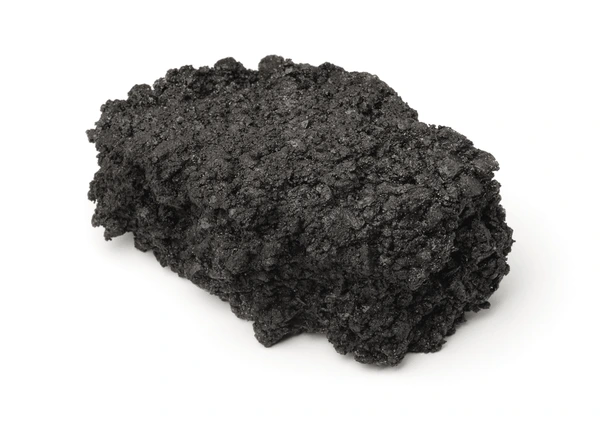
Form: Semi-solid to solid at 25°C, liquid upon heating (>100°C)
-
Color: Black to very dark brown
-
Particle size: Not applicable (bulk continuous mass)
-
Density: 1.00–1.04 g/cm³ at 25°C
-
Softening point (R&B): 45–70°C (grade dependent)
-
-
Packaging options:
-
Bulk: Heated tankers or ISO tanks
-
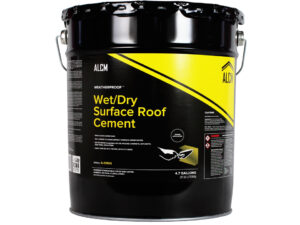
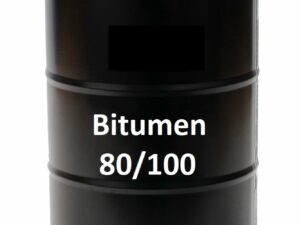
Drums: 180–200 kg new or reusable steel drums (non-DOT hazardous for transport)
-
Jumbo bags: 1,000 kg polywoven with PE liner (solid grades only)
-
-
Shelf life: 24 months minimum when stored at <80°C in sealed, contamination-free tanks with slow circulation to prevent phase separation.
3. Core Industrial Applications
-
Road & highway construction (primary industry):
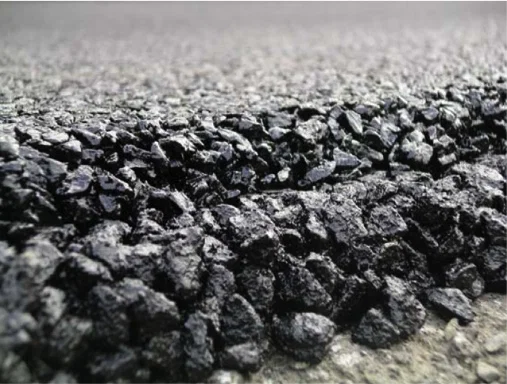
Use case: Wearing course, binder course, and base layer for asphalt concrete pavements.
Performance advantage: Superior rutting resistance at high temperatures (>60°C) and crack-relaxation at sub-zero climates versus unmodified binders. -
Roofing & waterproofing (secondary industry):
Use case: Manufacture of built-up roofing membranes, modified bitumen sheets, and mastic coatings for flat or low-slope roofs.
Performance advantage: Lower penetration of moisture and UV-induced hardening compared to coal-tar pitch, extending service life to 20+ years. -
Hydraulic & industrial flooring:
Use case: Canal lining, reservoir sealing, airport apron pavements, and heavy-duty warehouse floors.
Cost advantage: Rapid on-site heating and compaction reduces project schedules by 15–20% versus cementitious alternatives.
4. Competitive Advantages
-
Quality consistency: Batch-to-batch penetration variation <5 dmm; softening point deviation <±2°C, ensured via real-time FTIR and rheometry.
-
Supply reliability: Dual-sourced refinery agreements + 120,000 MT bonded warehousing across three continents, guaranteeing 98.5% on-time-in-full (OTIF) performance.
-
Logistics capability: Dedicated heated fleet with GPS temperature tracking; ability to deliver at 140–160°C directly into paver hoppers.
-
Price competitiveness: 5–8% under regional spot average for contract volumes ≥10,000 MT/year, hedged via crude derivatives.
-
Environmental & technical support: Full EPD (Environmental Product Declaration) available; warm-mix additive compatibility data provided; 24/7 technical hotline for mix design optimization.
5. Commercial & Supply Information
-
Minimum order quantity (MOQ): BULK 20 MT
-
Loading capacity (per container):
-
20-ft ISO tank: 20–22 MT net (heated or insulated)
-
40-ft ISO tank: not standard for asphalt (thermal loss risk)
-
Drums (180 kg): 80 drums per 20-ft container = 14.4 MT (max weight limit)
-
Bulk vessel (handymax): 25,000–35,000 MT per shipment
-
Reviews
There are no reviews yet.