
Description
1. Product Overview
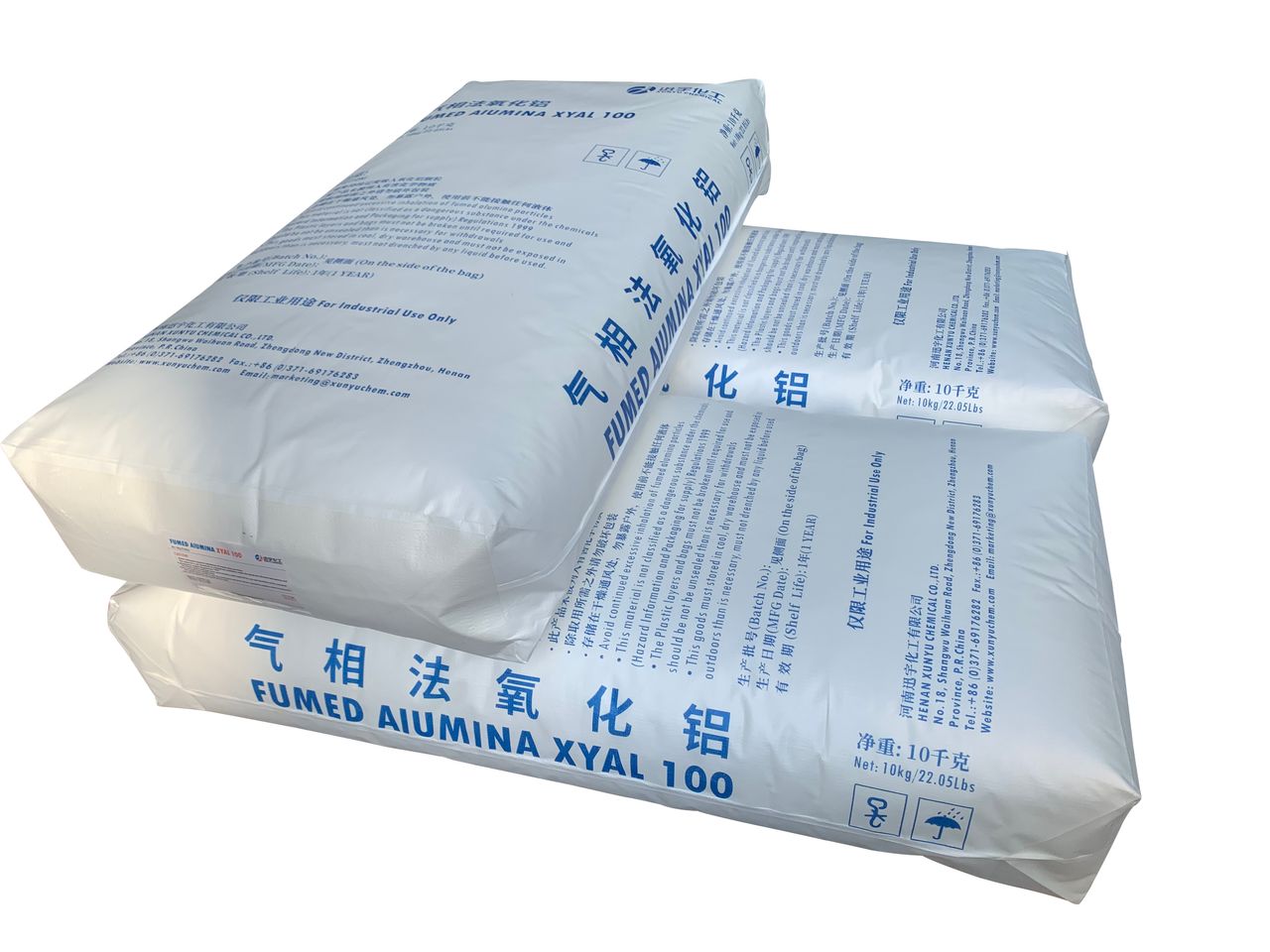
Industrial alumina (aluminum oxide, Al₂O₃) is a high-performance engineered ceramic raw material essential for high-temperature and high-wear environments. It is primarily used as a critical input in refractory linings, technical ceramics, abrasives, and catalyst substrates. The key value proposition is its exceptional hardness, thermal stability, and chemical inertness, which directly improve process efficiency and equipment lifespan. In a market increasingly focused on operational uptime and energy reduction, consistent alumina quality has become a strategic differentiator for downstream manufacturers.
2. Key Specifications & Technical Characteristics
-
Chemical composition: Al₂O₃ ≥99.5%, Na₂O ≤0.35%, Fe₂O₃ ≤0.02%, SiO₂ ≤0.02%
-
Purity grade: Industrial calcined alumina – standard and low-soda variants available
-
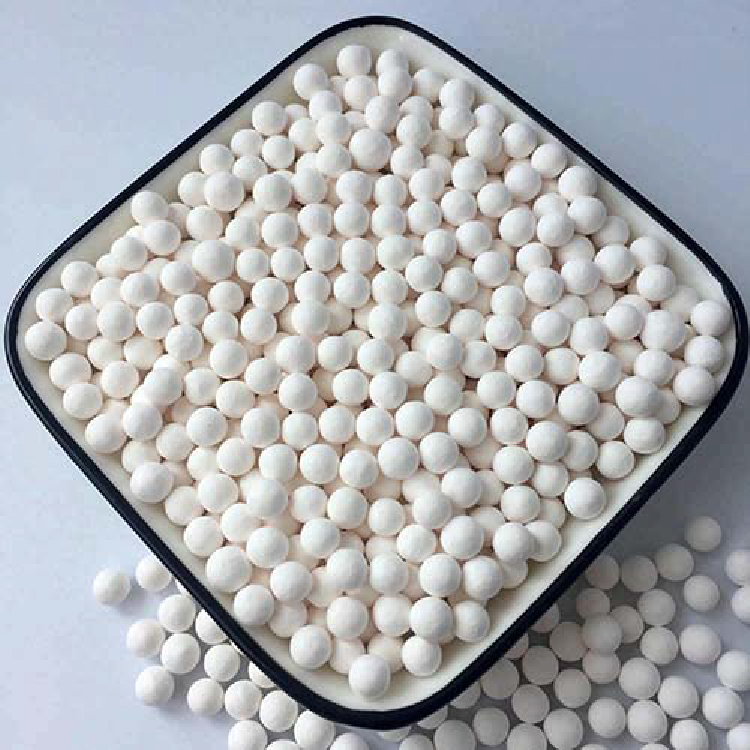
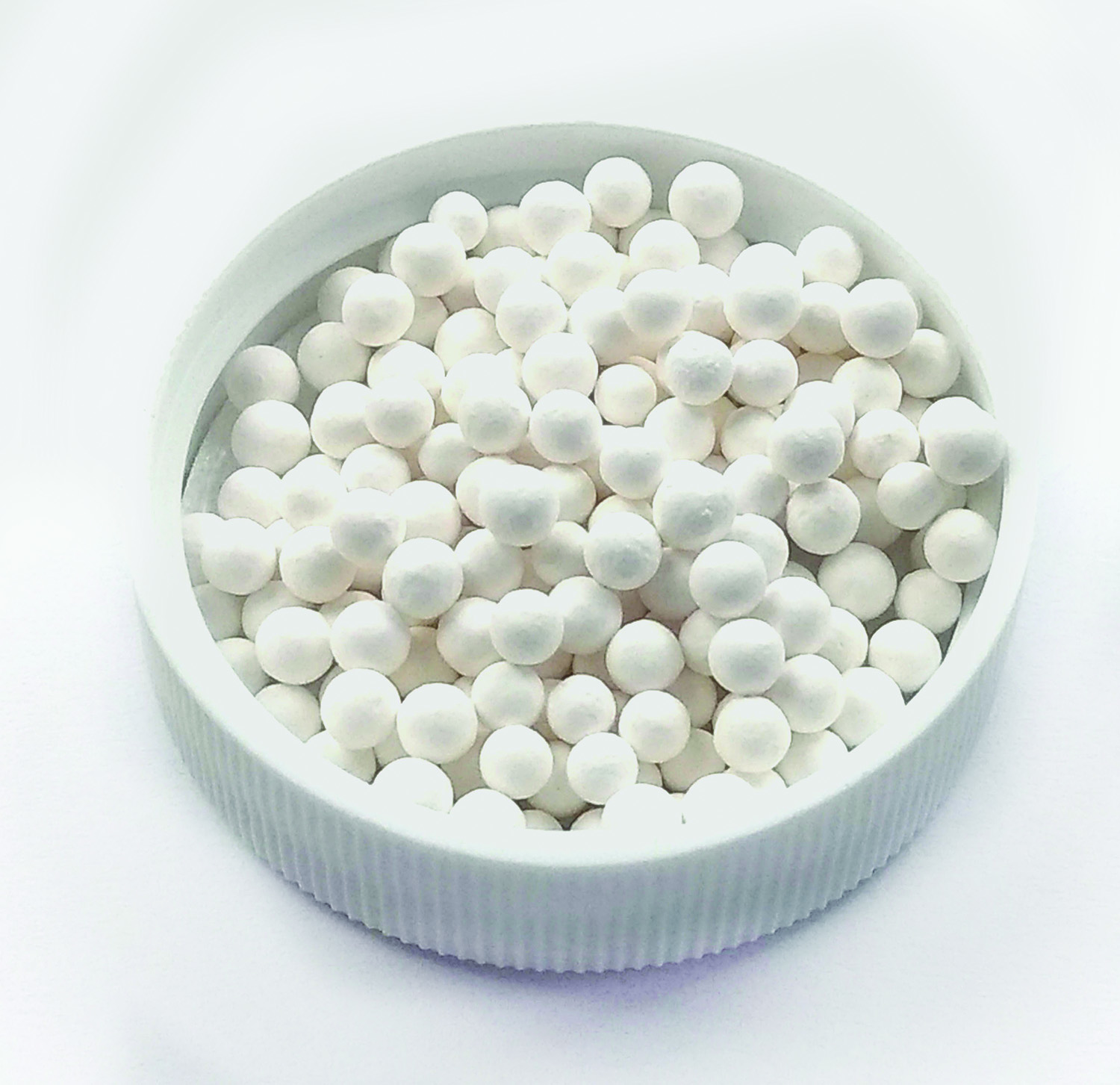
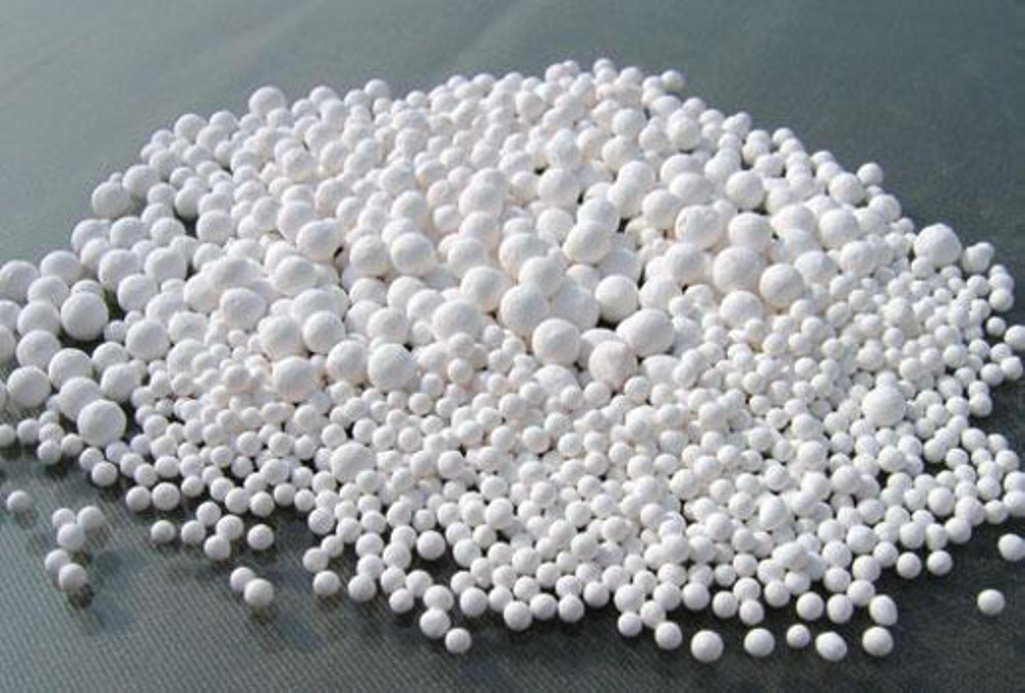
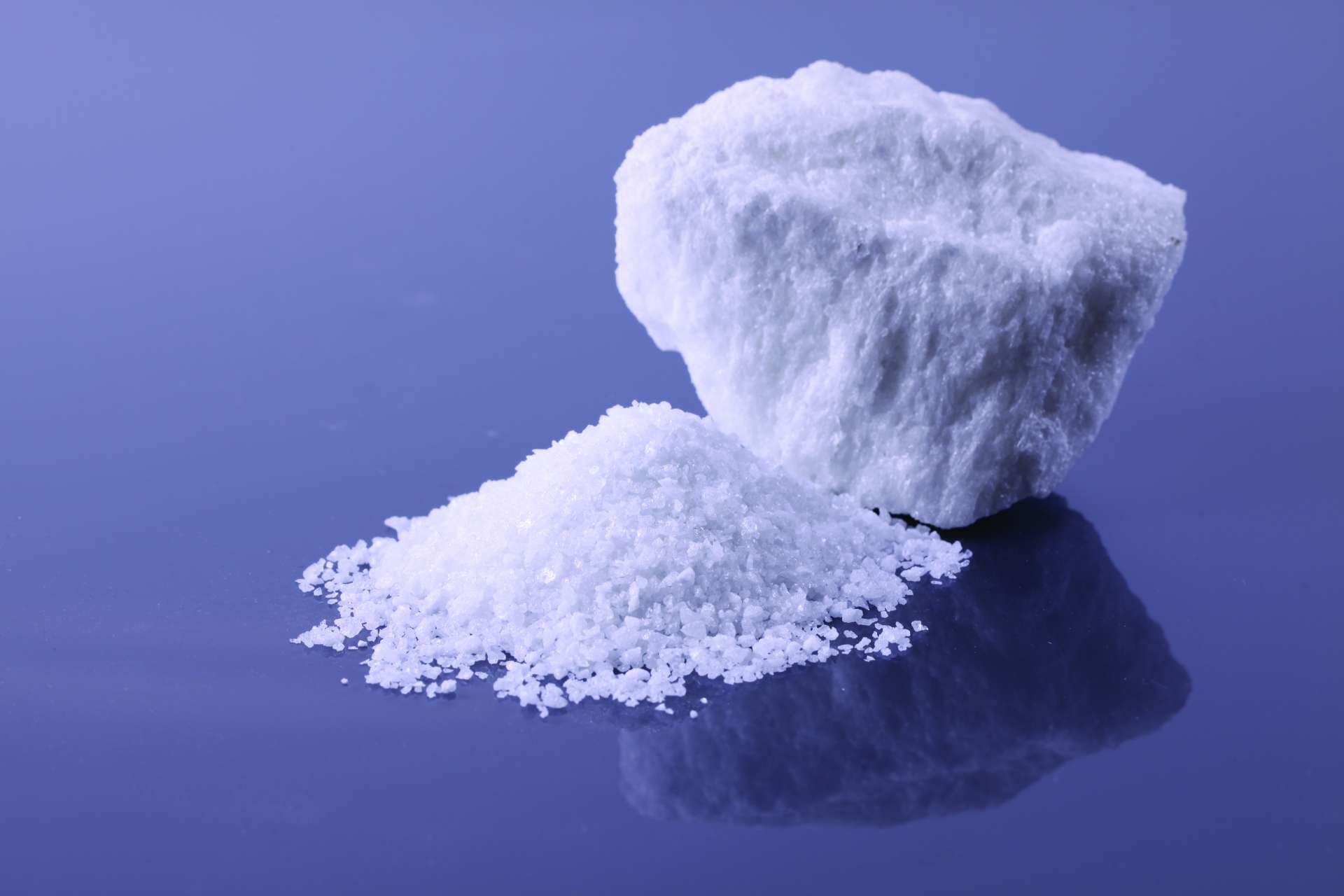
Physical characteristics: White, free-flowing powder; D50: 2–5 µm; Bulk density: 0.9–1.1 g/cm³; Specific surface area (BET): 3–8 m²/g
-
Packaging options: 1.5 MT big bags, 25 kg multilayer laminated sacks, or customer-specified bulk bags
-
Shelf life: 36 months in dry, sealed, humidity-controlled conditions (≤75% relative humidity)
3. Core Industrial Applications
-
Refractories (steel, cement, glass): Used in high-alumina bricks and castables – outperforms lower-grade aggregates due to superior spalling resistance and hot strength, reducing refractory replacement frequency.
-
Technical ceramics (pumps, seals, liners): Precision wear parts – our alumina’s tightly controlled particle size allows higher sintered density, achieving ≥3.85 g/cm³, which lowers porosity and extends component life by 30% vs. standard grades.
-
Abrasives (grinding media, sandpaper): Hardness of 9 on Mohs scale – enables faster material removal with less dust, lowering energy per ton processed.
-
Catalyst carriers (petrochemicals): High surface area and thermal stability – improves catalyst dispersion and resists sintering at >1,000°C, increasing reactor run lengths.
4. Competitive Advantages
-
Quality consistency: Every batch tested via XRF (elemental) and laser diffraction (particle size) – coefficient of variation <3% across 12 months, eliminating production line adjustments.
-
Supply reliability: Multi-site production (3 strategically located calcination plants) with 50,000 MT monthly capacity and safety stock held in regional hubs (Asia, MENA, Europe).
-
Logistics capability: Dedicated bulk and bagged shipment coordination – typical lead time 15 days ex-plant, 25 days CIF major ports.
-
Price competitiveness: Direct mining-to-calcination integration removes intermediary margins, offering 8–12% below regional spot averages at equivalent purity.
-
Sustainability: Low-soda process reduces disposal costs; 15% recycled process heat capture; full REACH and TSCA documentation available.
5. Commercial & Supply Information
-
Minimum Order Quantity (MOQ): 20 MT (bulk)
-
Loading capacity: 20 MT per 20-ft standard container (big bags on pallets); 25 MT per 20-ft container for loose bulk liner bags (subject to destination approval)
Reviews
There are no reviews yet.