
Description
Product Overview (3–5 sentences):
This product is high-density compressed Alfalfa Hay, precision-harvested at early bloom for optimal protein and fiber balance. It serves as a primary forage source for high-performance dairy herds, racehorses, and feedlot operations, delivering superior digestibility and milk production efficiency. The key value proposition is consistent nutritional density coupled with compact bale dimensions that reduce ocean freight costs by up to 40% versus conventional bales. Strategically, it enables industrial buyers to secure year-round, traceable forage independent of seasonal or regional crop failures.
Competitive Advantage Spotlight (4 sentences max):
Consistent 17–19% crude protein and ≤12% moisture across every container. Compression ratio of 3:1 for maximum logistics efficiency. Aflatoxin-negative certified with lab reports per shipment. Direct from laser-leveled, irrigated fields with no third-party blending.
1. Key Specifications & Technical Characteristics
-
Chemical composition: Crude protein 17–19% (min 17%), ADF ≤30%, NDF ≤38%, TDN ≥58%, moisture ≤12%, ash ≤10%
-
Purity level: Grade “Premium” – 97% pure alfalfa, less than 2% weed content, zero mold or foreign objects
-
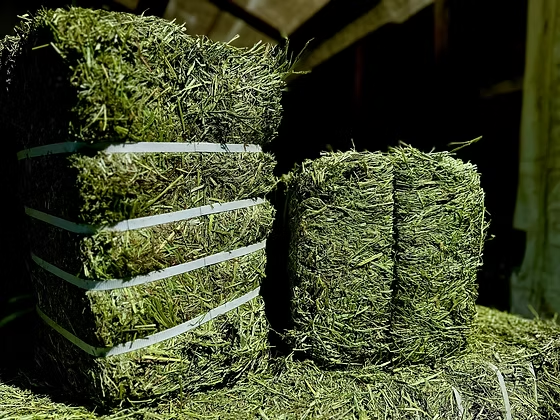
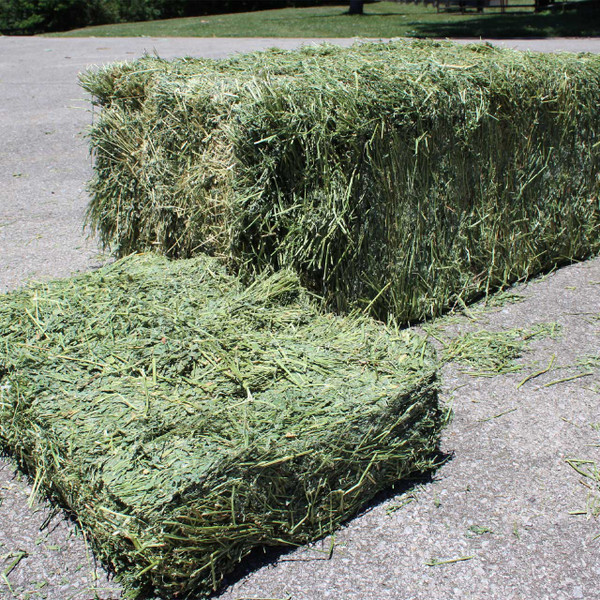
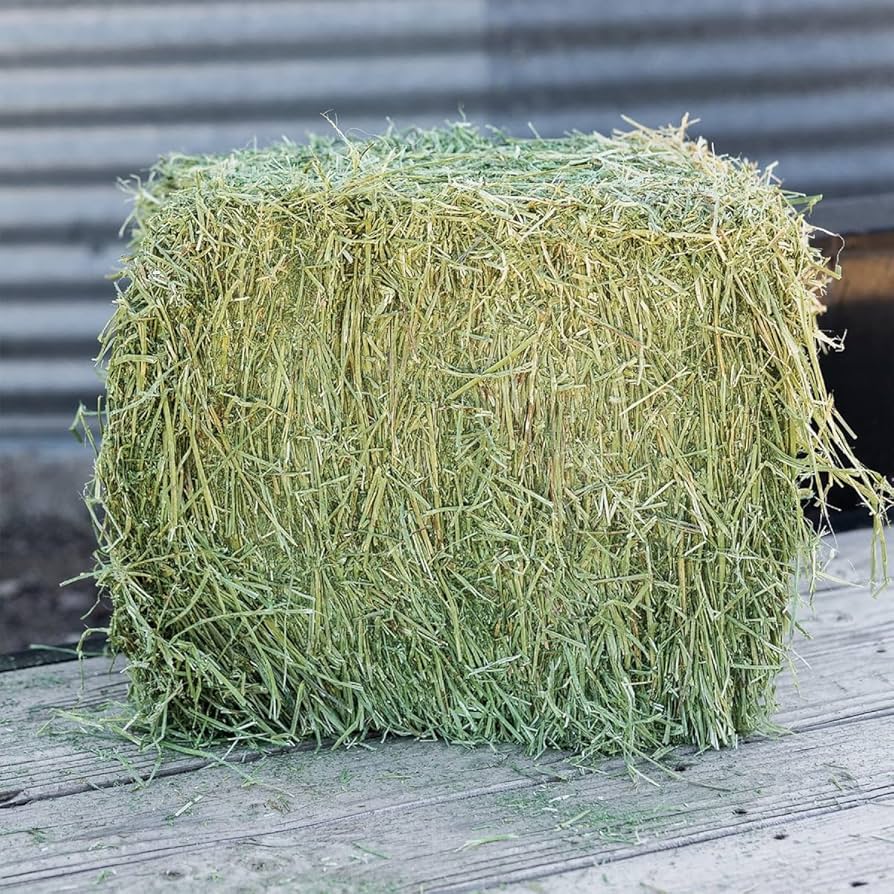
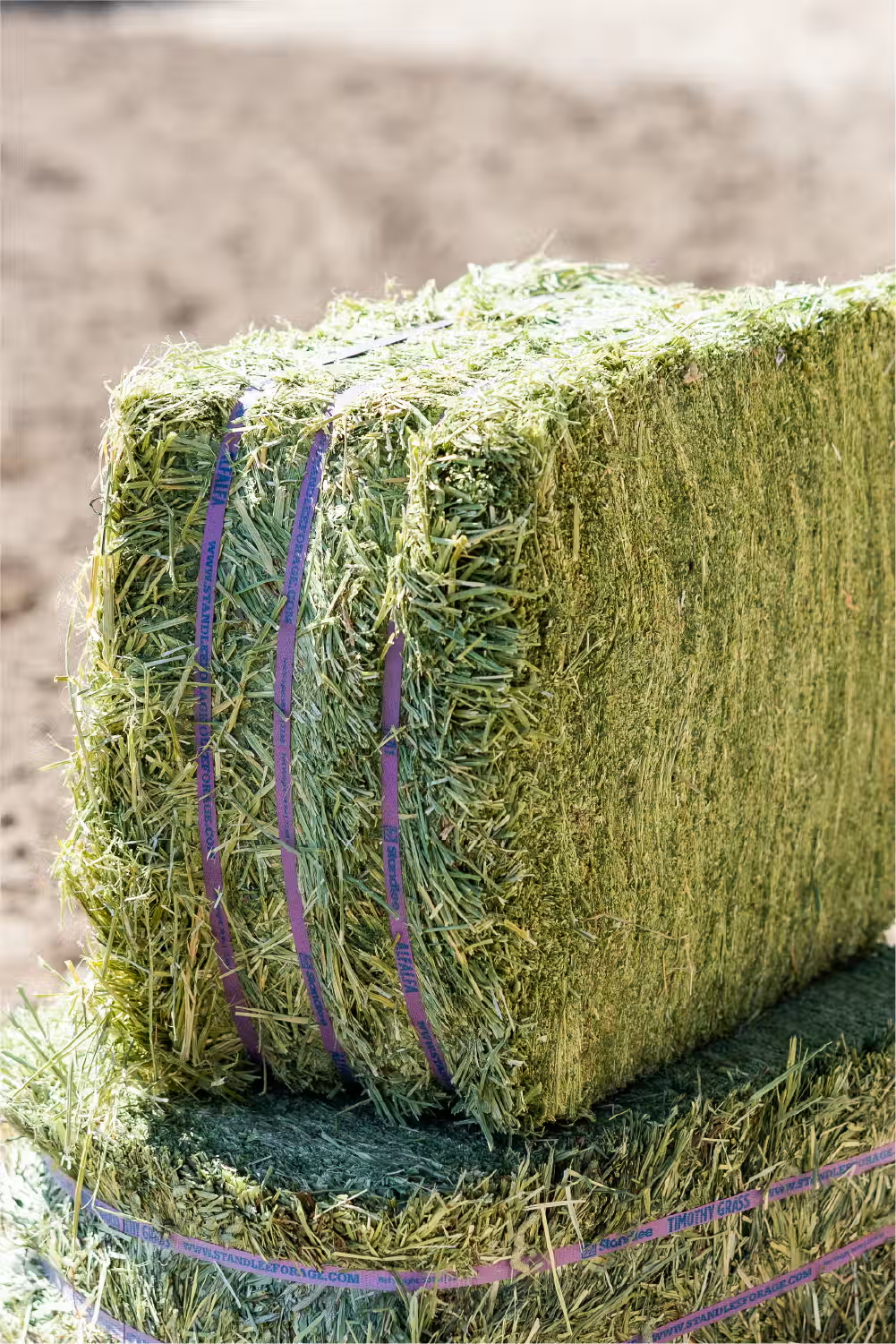
Physical characteristics: Compressed rectangular bales – dimensions approx. 80 x 40 x 36 cm; weight per bale 40–50 kg; color: bright green to light green; density: 450–500 kg/m³
-
Packaging options: Double-tied with high-tensile plastic strapping; optional weather-resistant film wrap for tropical shipping
-
Shelf life: 24 months from production when stored in dry, ventilated conditions below 25°C
2. Core Industrial Applications
-
Primary industries: Commercial dairy farming, equine breeding and racing, sheep and goat feedlots, camelid operations
-
Dairy operations: Replace standard hay with alfalfa to increase milk protein by 0.2–0.4% and reduce concentrate feed costs by 12–15%
-
Equine use: Low-sugar formulation (≤10% NSC) prevents laminitis; consistent fiber length (5–8 cm after bale breakdown) supports hindgut health
-
Cost advantage: Compressed format reduces warehouse footprint by 60%; longer fiber retention improves feed conversion ratio (FCR) by 8% vs. pellets or cubes
3. Competitive Advantages
-
Quality consistency: Every bale traced to field, harvest date, and lab batch – no blending with lower-grade sources
-
Supply reliability: Year-round production with two independent harvest zones, guaranteeing 52-week availability; 98% on-time shipping record
-
Logistics capability: 20–24 metric tons per 40-foot HC container; fixed daily load slots at origin terminal
-
Price competitiveness: 10–15% lower landed cost vs. North American or European equivalents due to optimized compression and backhaul container utilization
-
Sustainability: Irrigated via efficient pivot systems; net carbon footprint data available per shipment; 100% biodegradable packaging upon request
-
Technical support: Full customs documentation, phytosanitary certificates, and batch-specific COA provided digitally within 24 hours of loading
4. Commercial & Supply Information
-
Minimum Order Quantity (MOQ): 20 metric tons (bulk – one full 40’HC container)
-
Loading capacity: 20–24 metric tons per 40-foot high-cube container (depending on bale density and strapping configuration)
Reviews
There are no reviews yet.