
Description
Afghan Premium Saffron
1. Product Overview
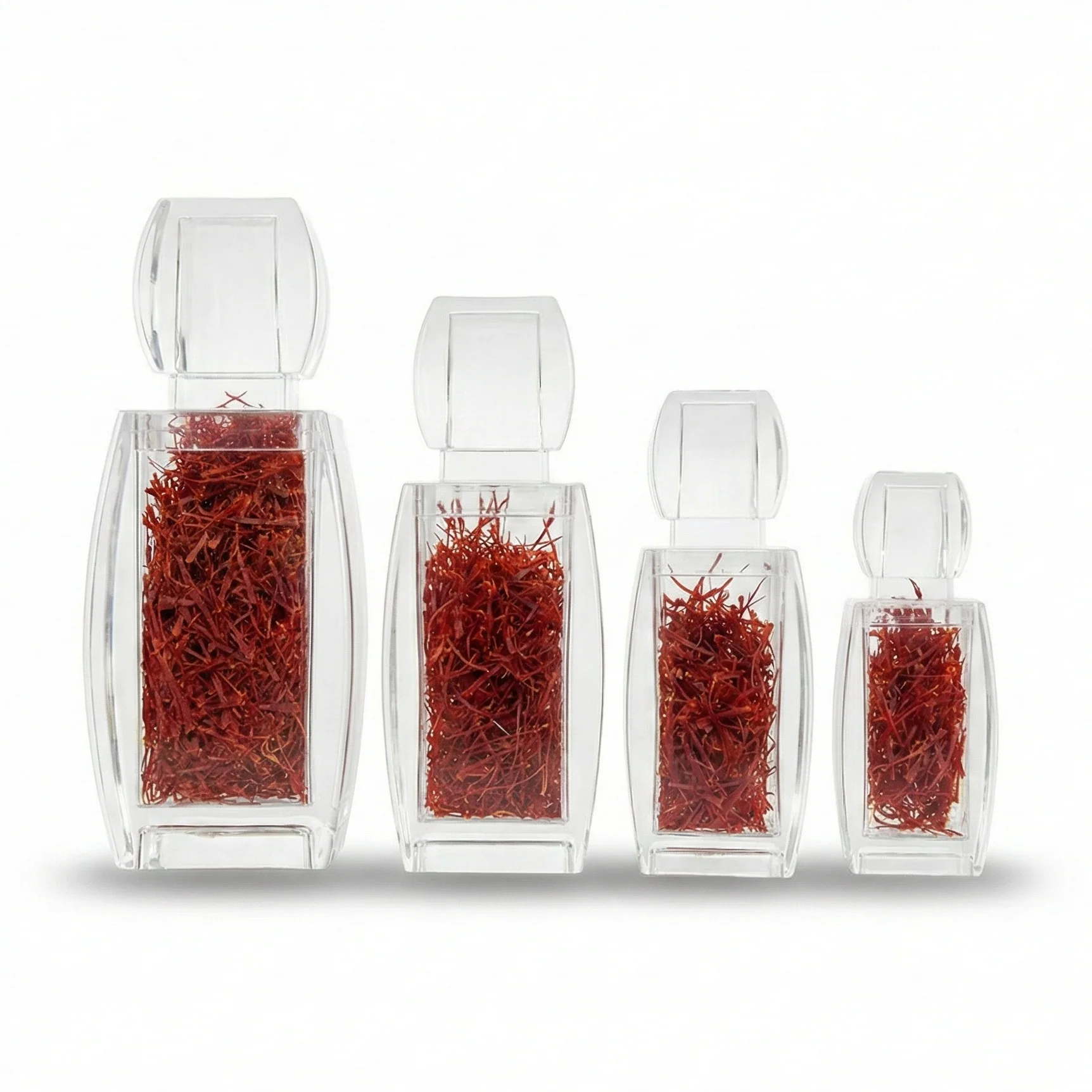
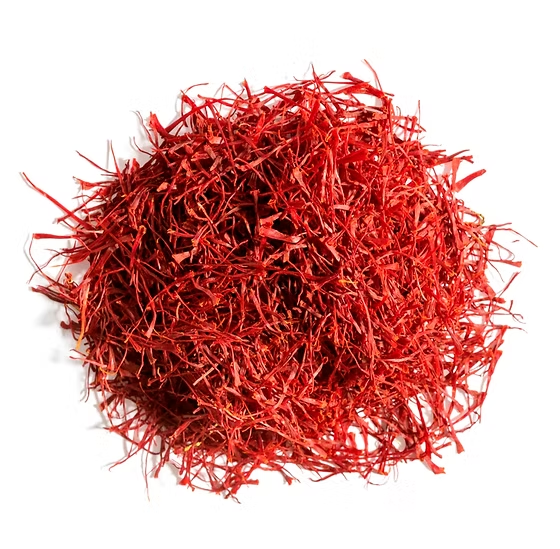
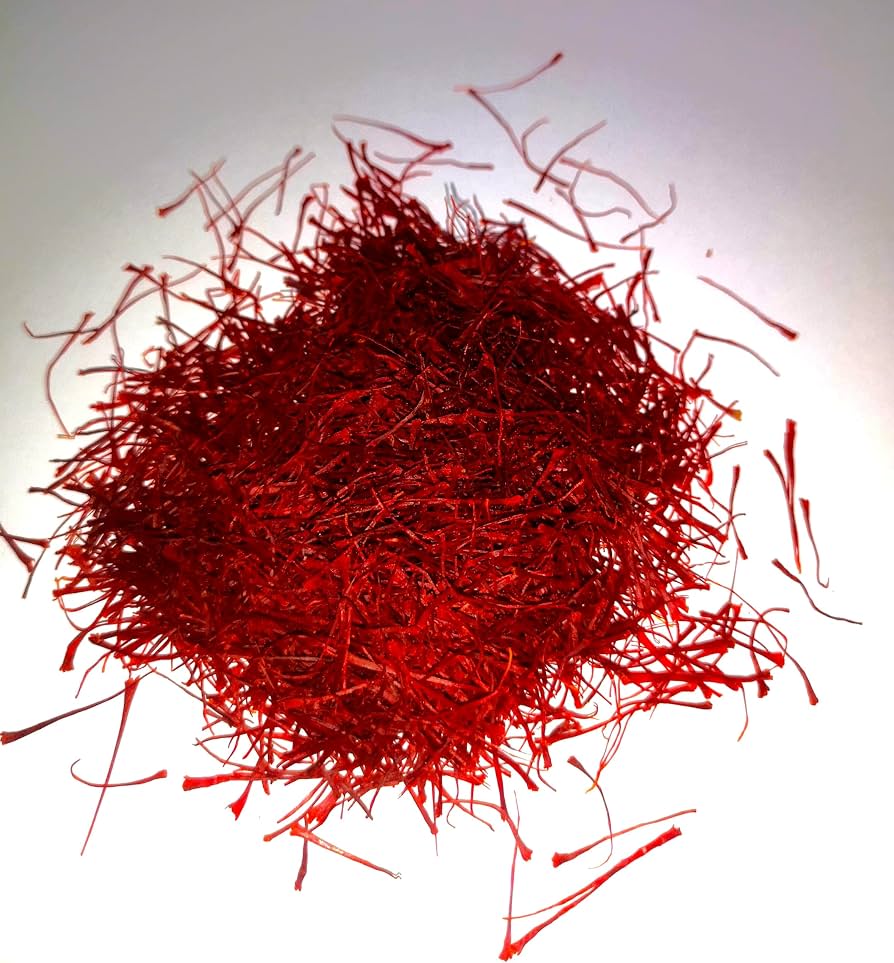
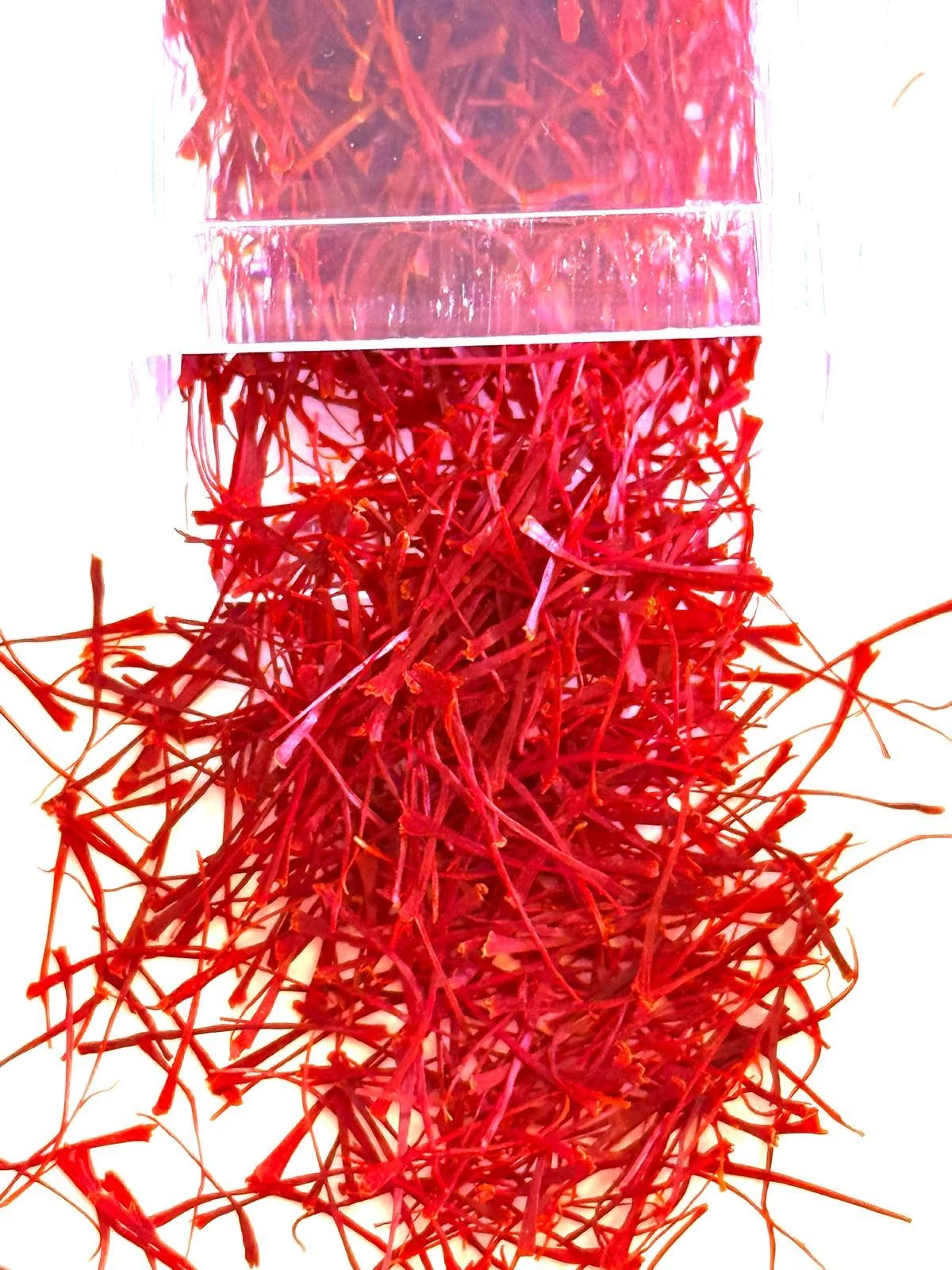
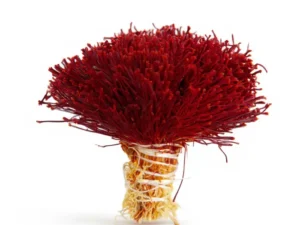
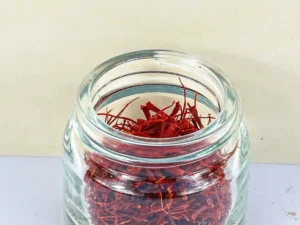
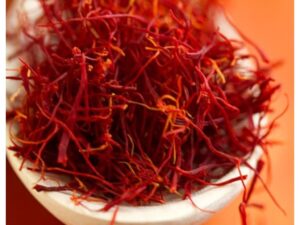
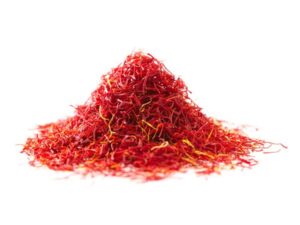
Afghan Premium Saffron is a high-value natural spice derived from the dried stigmas of Crocus sativus L., sourced from Afghanistan’s established saffron-growing regions. Premium Afghan saffron is valued for its deep red filament appearance, distinctive aroma, characteristic flavour, and strong natural colouring performance, with quality parameters commonly assessed using ISO 3632 methods for crocin, picrocrocin, and safranal.
Designed for international food ingredient procurement, specialty spice distribution, premium culinary products, beverages, confectionery, and foodservice applications, the product provides buyers with a traceable natural ingredient for high-value formulations. For commercial procurement, each lot should be supported by a Certificate of Analysis (COA) confirming origin, purity, moisture and relevant ISO 3632 quality parameters.
2. Key Specifications & Technical Characteristics
- Product: Afghan Premium Saffron
- Botanical Source: Crocus sativus L.
- Origin: Afghanistan
- Product Form: Whole dried saffron filaments/threads
- Preferred Premium Grade: Super Negin / premium red-thread presentation, subject to lot specification
- Colour: Deep red to crimson
- Active Quality Parameters: Crocin (colour strength), picrocrocin (flavour strength), and safranal (aroma)
- Quality Standard: ISO 3632 testing available/ recommended for commercial lots; ISO 3632-1:2025 is the current specification for dried saffron.
- Purity: 100% saffron, without intentional fillers or artificial colouring, subject to batch COA
- Moisture: Controlled according to applicable saffron specification and verified by batch testing
- Foreign Matter: Controlled and documented through quality inspection/COA
- Packaging: Bulk food-grade packaging; customized inner and outer packaging available according to buyer requirements
- Traceability: Lot/batch identification with origin and quality documentation recommended
- Storage: Store sealed in a cool, dry, dark environment away from moisture, heat and strong odours
- Shelf Life: Determined according to packaging configuration, storage conditions and batch specification
3. Core Commercial Applications
- Premium spice and seasoning blends
- Food and beverage manufacturing
- Rice, sauces, soups and ready-meal formulations
- Confectionery, bakery and dessert production
- Tea, herbal infusion and specialty beverage products
- Dairy and premium culinary formulations
- Foodservice and hospitality supply
- Specialty spice distribution and private-label packaging
- High-value natural colour and flavour ingredient applications
4. Competitive Advantages
Quality Consistency
Premium saffron procurement can be standardized around measurable parameters including crocin, picrocrocin and safranal rather than relying solely on visual grading. Independent ISO-based laboratory testing can provide objective lot-level evidence of product performance.
Supply Reliability
Bulk sourcing is structured around lot identification, harvest/production documentation, pre-shipment quality inspection and agreed specifications, enabling professional buyers to establish repeat procurement programs.
Logistics Capability
Bulk orders can be prepared in food-grade export packaging with documentation and shipment configurations aligned with international B2B requirements. Packaging, palletization and container-loading plans can be customized according to destination-market requirements.
Price Competitiveness
Bulk procurement reduces the packaging and handling cost associated with small retail formats, allowing importers, distributors and food manufacturers to structure supply around contract quantities and recurring orders.
Sustainability & Environmental Benefits
Saffron is a high-value agricultural crop, allowing significant commercial value to be concentrated into relatively small physical volumes. Responsible sourcing programs can incorporate farm-level traceability, efficient packaging, reduced unnecessary processing and documentation of responsible agricultural practices.
Technical Support & Documentation
Commercial buyers can request a Certificate of Analysis (COA), product specification sheet, lot identification, origin documentation, packaging details and applicable laboratory test results. ISO 3632 provides internationally recognized testing methodology for saffron quality characteristics.
5. Strategic Sourcing Position
Afghan Premium Saffron should be evaluated as a high-value strategic ingredient rather than a conventional commodity spice. For procurement teams, the key sourcing criteria should include authenticated Afghan origin, consistent filament quality, lot-level laboratory verification, controlled moisture, documented purity, secure packaging and dependable export logistics.
A specification-driven purchasing model enables buyers to compare suppliers using measurable quality parameters and establish repeatable standards across procurement cycles.
6. Commercial & Supply Information
- Minimum Order Quantity (MOQ): BULK — 20 MT
- Standard Supply Basis: Bulk commercial shipment
- Loading Capacity: 20 MT per container, subject to packaging configuration, palletization, applicable container payload limits and carrier requirements
- Packaging: Bulk food-grade export packaging; customized formats available
- Shipment: Export-ready documentation and logistics coordination available
- Quality Documentation: COA, specification sheet, lot/batch documentation and origin documentation available upon request
- Inspection: Pre-shipment inspection and third-party laboratory testing can be arranged according to buyer requirements
- Contract Supply: Suitable for recurring procurement, distributor programs and private-label supply
- Incoterms: FOB, CFR, CIF or other mutually agreed terms, subject to destination and transaction structure
- Destination Markets: Global export markets, subject to applicable food, phytosanitary, customs and import regulations
Procurement Note: Because saffron quality can vary materially between harvests and lots, final commercial specifications should be confirmed against the actual shipment’s COA rather than relying solely on the generic designation “Premium.” Current ISO 3632 standards provide the appropriate framework for objective quality assessment.
Reviews
There are no reviews yet.