
Description
1. Product Overview
Acrylonitrile-butadiene-styrene (ABS injection resin) is a high-impact amorphous thermoplastic engineered for superior mechanical toughness and dimensional stability across demanding injection molding applications. Primarily utilized in automotive components, consumer electronics enclosures, and industrial fittings, this resin delivers an unmatched balance of heat resistance, surface finish, and impact strength. Its strategic importance lies in enabling manufacturers to replace metal with lightweight, corrosion-free engineered plastic, reducing system costs while improving production throughput. As global supply chains prioritize durability and processability, ABS remains a benchmark material for high-volume, precision-molded parts.
2. Key Specifications & Technical Characteristics
-
Chemical composition: Acrylonitrile (15–35%) – butadiene (5–30%) – styrene (40–60%) terpolymer
-
Purity / Grade: Virgin injection-molding grade; ASTM D4673 compliant
-
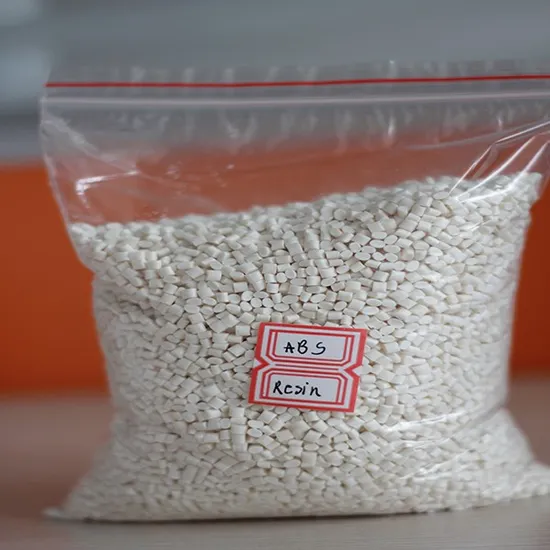
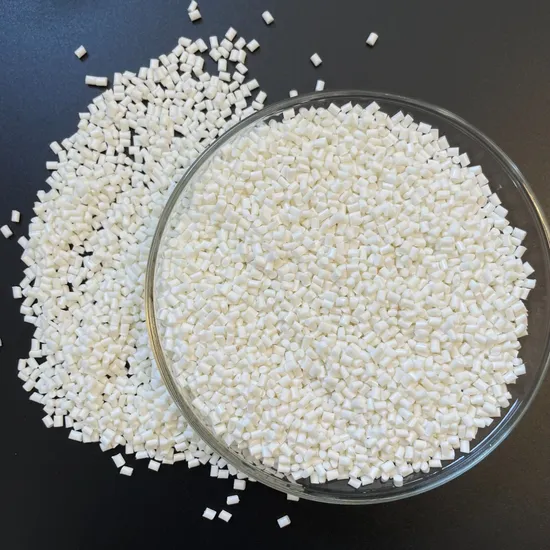
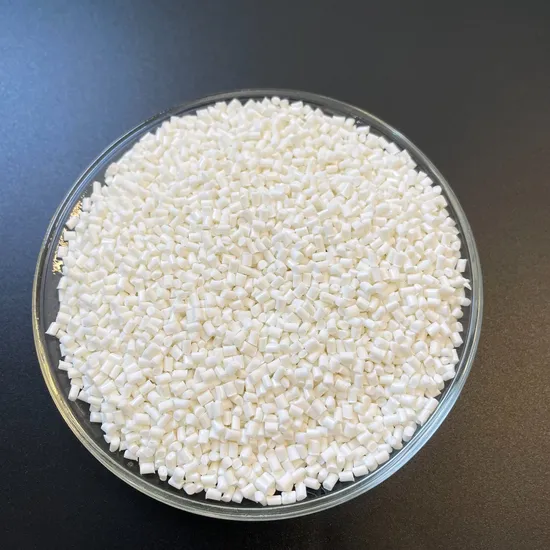
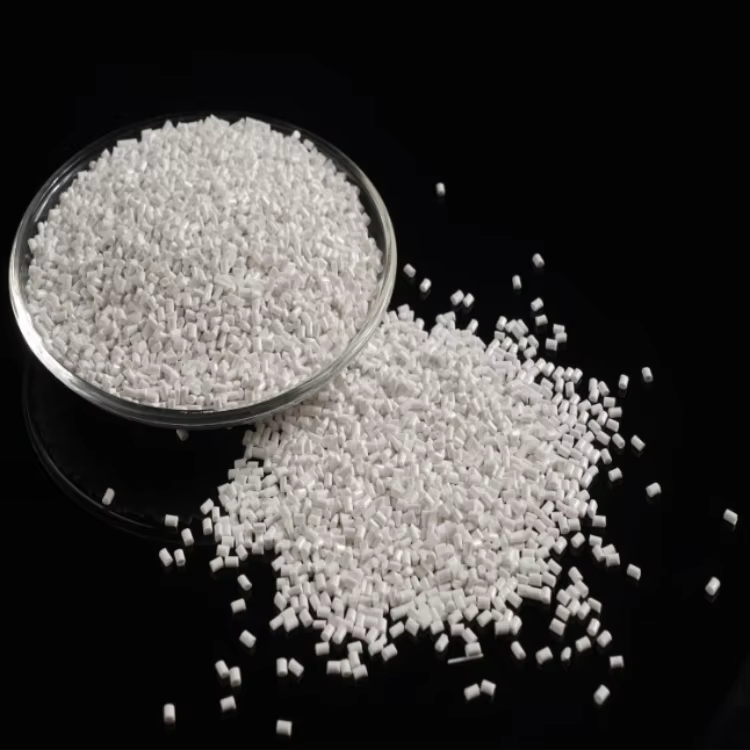
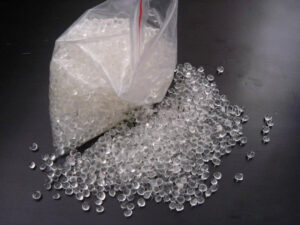
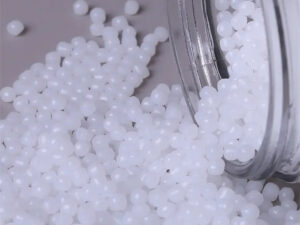
Physical form: Free-flowing cylindrical or spherical pellets
-
Color: Natural (off-white/translucent) or custom pre-colored compounds available
-
Melt Flow Index (MFI): 10–30 g/10 min (220°C / 10 kg) depending on grade
-
Density: 1.04 – 1.06 g/cm³
-
Notched Izod impact strength: ≥ 20 kJ/m² (at 23°C)
-
Heat deflection temperature (HDT): 85–98°C (at 1.82 MPa)
-
Packaging: 25 kg moisture-barrier bags on 1,000 kg heat-shrink pallets; big bags (500–1,000 kg) available
-
Shelf life: 24 months in original unopened packaging, stored below 40°C and < 50% RH
3. Core Industrial Applications
-
Automotive interiors & exteriors: Instrument panel components, pillar trims, grilles, and wheel covers — ABS delivers high gloss and scratch resistance superior to polypropylene, with lower creep than HIPS.
-
Consumer electronics: Keyboard keycaps, monitor housings, printer chassis, and power tool bodies — its excellent dimensional stability and plating adhesion outperform polycarbonate in complex thin-wall geometries.
-
Industrial piping & fittings: Injection-molded valves, pump housings, and electrical conduit fittings — ABS offers higher impact resistance at low temperatures than PVC, with easier machining and solvent cement bonding.
-
Medical device housings (non-implantable): Diagnostic equipment shells and drug delivery device enclosures — its chemical resistance to disinfectants and compatibility with gamma sterilization reduce failure rates compared to unmodified styrenics.
4. Competitive Advantages
-
Quality consistency: Lot-to-lot melt flow variance < 5% (ISO 1183) — eliminates production stoppages and scrap from resin variability.
-
Supply reliability: Dual-sourced virgin feedstocks from Butachimie & INEOS with 98.5% on-time-in-full (OTIF) track record across 30+ countries.
-
Logistics capability: Temperature-controlled dry bulk containers and JIT hub stocking in Rotterdam, Houston, and Shanghai reduce lead times to 7–10 days.
-
Price competitiveness: Direct petrochemical integration removes intermediary markups — priced at benchmark -3% to -7% vs. major European/Asian spot indices.
-
Sustainability: ISCC PLUS mass-balance certified recycled ABS (rABS) options available with up to 50% post-industrial content, maintaining >95% virgin impact strength.
-
Technical documentation: Full TDS, SDS, rheology curves, and Moldflow® simulation files provided pre-purchase.
5. Commercial & Supply Information
-
Minimum order quantity (MOQ): 20 MT (single grade, natural color)
-
Loading capacity: 24–26 MT per 20-ft dry container (palletized, 25 kg bags); 26–28 MT per 20-ft container (big bags or bulk liner)
Reviews
There are no reviews yet.