
Description
-
Product Overview
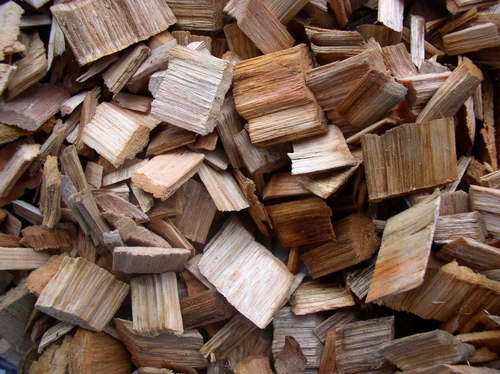
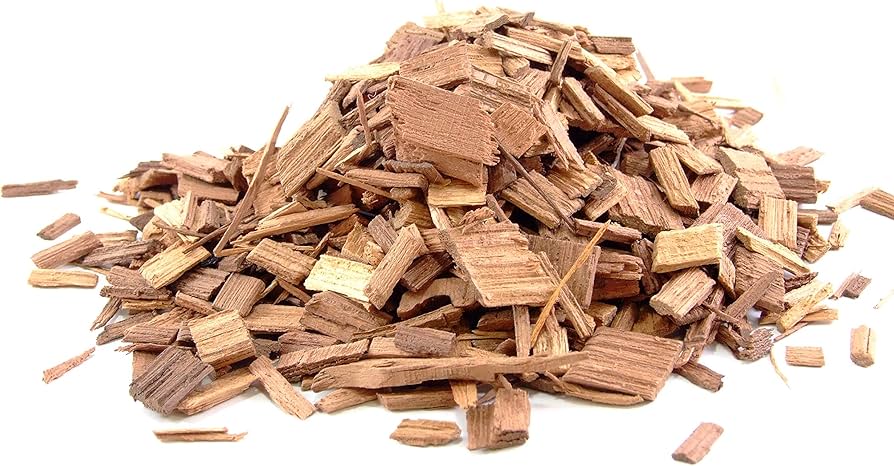
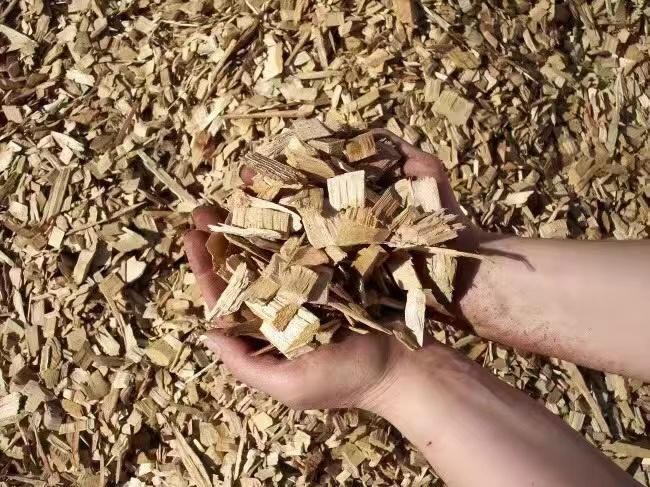
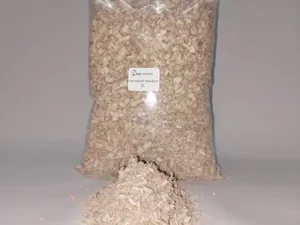
Acacia Wood Chips are high-quality, industrial-grade hardwood chips produced from sustainably sourced Acacia species, processed and screened for consistent size and low moisture. Primarily used as a feedstock in bioenergy, charcoal and activated carbon production, pulp and paper furnaces, and as a biomass raw material for composite panels and particleboard. The key value proposition is predictable feedstock performance—uniform calorific value, low ash content, and stable moisture—that maximizes kiln/boiler efficiency and downstream product quality. Strategically, Acacia Wood Chips offer industrial buyers a resilient, scalable biomass supply that reduces fuel costs, stabilizes raw-material sourcing, and supports decarbonization and circular-economy goals across manufacturing and energy sectors. -
Key Specifications & Technical Characteristics
-
Botanical source: Acacia spp. (specify species on request: e.g., Acacia mangium, Acacia auriculiformis)
-
Material composition: Mature hardwood chips, primarily cellulose and lignin with typical extractives for Acacia species
-
Moisture content: 10–20% (factory-dried options available on request)
-
Calorific value (as-received): 17–19 MJ/kg (range depends on moisture; detailed proximate analysis supplied)
-
Ash content: 0.5–2.5% (typical low-ash profile; lab-verified)
-
Particle size: 10–60 mm standard screening (custom gradings available)
-
Bulk density: 150–350 kg/m³ (depends on chip size and moisture)
-
Color/appearance: Natural light brown to dark brown hardwood chips, minimal bark inclusion per grade
-
Contaminants: Nominal foreign material (<0.5% wood-free contaminants), no chemical preservatives added unless specified
-
Packaging options: Loose bulk (20 MT per bulk bag or palletized, truckload), Flexible Intermediate Bulk Containers (FIBC), 1–2 MT bulk bags, or ISO-container loaded bulk (20’/40’ configurations)
-
Shelf life/storage: Stable for 6–12 months when stored dry and off-ground under cover; best practice: <20% moisture to prevent biodegradation
-
Certification & traceability: Supply chain traceability, optional third-party sustainability certifications available (e.g., FSC/PEFC) upon request
-
Core Industrial Applications
-
Bioenergy and Power Generation: Direct-fired boilers, gasifiers, and co-firing with coal—consistent calorific output and low ash improve combustion stability and reduce slagging and fouling compared with mixed or untreated biomass.
-
Charcoal & Activated Carbon Production: Ideal feedstock for producing high-grade charcoal and activated carbon due to hardwood density and lignin content, yielding superior carbonization efficiency and pore development.
-
Pulp, Paper & Fiberboard: Used as raw material or filler for particleboard, MDF, and other composite panels; provides uniform fiber distribution and predictable pressing characteristics, enabling tighter quality control and reduced reject rates.
-
Industrial Furnaces & Kilns: As an industrial heating fuel, chips provide steady burn rates and thermal output suitable for continuous-process furnaces.
-
Pelleting & Briquetting Feedstock: High conversion yields to pellets/briquettes with low fines and dust generation, resulting in higher throughput, lower binder requirements, and improved pellet durability.
Why it outperforms alternatives: -
More uniform physical properties than mixed-species residues, reducing process variability.
-
Lower ash and predictable calorific values reduce downtime and maintenance costs.
-
Hardwood density yields higher carbon output per unit volume for carbonization and pellet applications.
-
Competitive Advantages
-
Quality consistency: Mill screening and moisture control processes ensure repeatable chip size distribution and energy content across shipments.
-
Supply reliability: Established sourcing networks and capacity planning in Acacia-growing regions ensure stable year-round supply and scalable volumes to meet industrial demand.
-
Logistics capability: Containerized and bulk-loading expertise with optimized packing densities and fumigation/ phytosanitary handling where required.
-
Price competitiveness: Cost-efficient plantation forestry feedstock enables attractive pricing versus scarce hardwoods or imported biomass, with long-term contracting available to stabilize cost exposure.
-
Sustainability: Plantation-based sourcing, reforestation practices, and optional third-party certification (FSC/PEFC) support corporate sustainability and ESG commitments.
-
Technical support: Full product specifications, proximate/ultimate analysis, and supply chain documentation provided; technical advisory available for combustion, pelleting, and carbonization optimization.
-
Commercial & Supply Information
-
Minimum order quantity (MOQ): BULK 20 MT
-
Loading capacity (MT per container):
-
20-foot container (loose bulk, optimized packing): up to 18–20 MT depending on bulk density and moisture
-
40-foot container (loose bulk or bulk bags): up to 24–28 MT depending on packing configuration and chip grading
-
-
Typical lead time: 2–6 weeks depending on order size, certification requests, and shipping mode (confirm at inquiry)
-
Incoterms & payment: Flexible (FOB, CIF, DAP available), payment terms negotiable for long-term contracts
Reviews
There are no reviews yet.