
Description
1. Product Overview
Industrial Heat Transfer Oil Residue is a recovered hydrocarbon-based byproduct generated from high-temperature thermal transfer systems used in chemical processing, refining, and manufacturing industries. It serves as a secondary feedstock or reprocessing input for energy recovery, re-refining, or industrial blending applications. The product offers a cost-efficient alternative to virgin thermal oils while supporting circular economy and waste valorization strategies.
Strategically, this material is increasingly valued in global markets due to rising demand for alternative fuel sources and feedstock optimization in energy-intensive industries. Its availability supports operational cost reduction, supply chain resilience, and sustainable resource utilization for industrial buyers.
2. Key Specifications & Technical Characteristics
- Material Composition: Degraded synthetic/mineral thermal oil hydrocarbons with oxidation byproducts
- Purity Level / Grade: Industrial-grade residue (unrefined, post-service thermal oil)
- Physical State: Viscous liquid / semi-fluid depending on storage temperature
- Color: Dark brown to black
- Density: Typically 0.85 – 1.05 g/cm³ (varies by source system)
- Viscosity: High viscosity, temperature-dependent flow behavior
- Packaging Options:
- ISO tanks
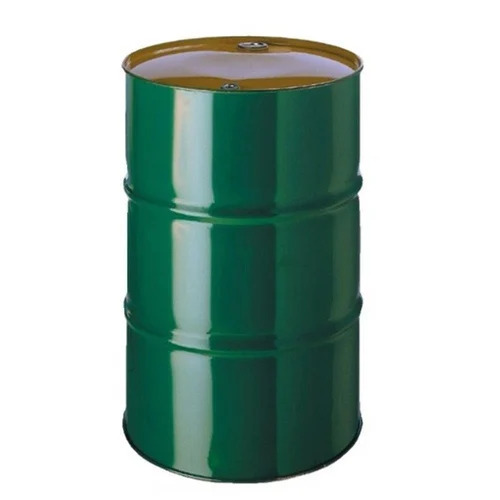
- Steel drums (200L)
- Bulk flexitanks
- Shelf Life: 12–24 months under sealed, controlled storage conditions
3. Core Industrial Applications
- Energy Recovery Systems: Used as secondary fuel in industrial burners and thermal recovery units
- Re-refining Feedstock: Processed into regenerated base oils for lubrication industries
- Chemical Processing: Utilized as blending component in low-grade industrial fuel formulations
- Cement & Brick Manufacturing: Substituted fuel source for kiln operations
- Metal Processing Plants: Auxiliary heating fuel in non-critical thermal systems
This product performs competitively due to its high calorific value, stable hydrocarbon structure, and low acquisition cost compared to virgin fuel oils. It enables industries to reduce operating expenses while maintaining consistent thermal output.
4. Competitive Advantages
- Quality Consistency: Sourced from controlled industrial heat transfer systems ensuring predictable composition ranges
- Supply Reliability: Continuous availability from industrial maintenance cycles and refinery operations
- Logistics Capability: Scalable bulk shipment via ISO tanks, flexitanks, and containerized drums
- Price Competitiveness: Significantly lower cost than virgin thermal oils and conventional fuel oils
- Sustainability Benefits: Supports waste oil recycling, carbon footprint reduction, and circular economy initiatives
- Technical Support: Full documentation available including MSDS, origin certificates, and batch characterization reports
5. Commercial & Supply Information
- Minimum Order Quantity (MOQ): BULK 20 MT
- Loading Capacity: 20–22 MT per 20ft container (ISO tank or flexitank configuration)
- Supply Type: Spot and contract-based recurring supply available
- Incoterms: FOB / CIF / CFR available upon request



Reviews
There are no reviews yet.