
Description
1. Product Overview
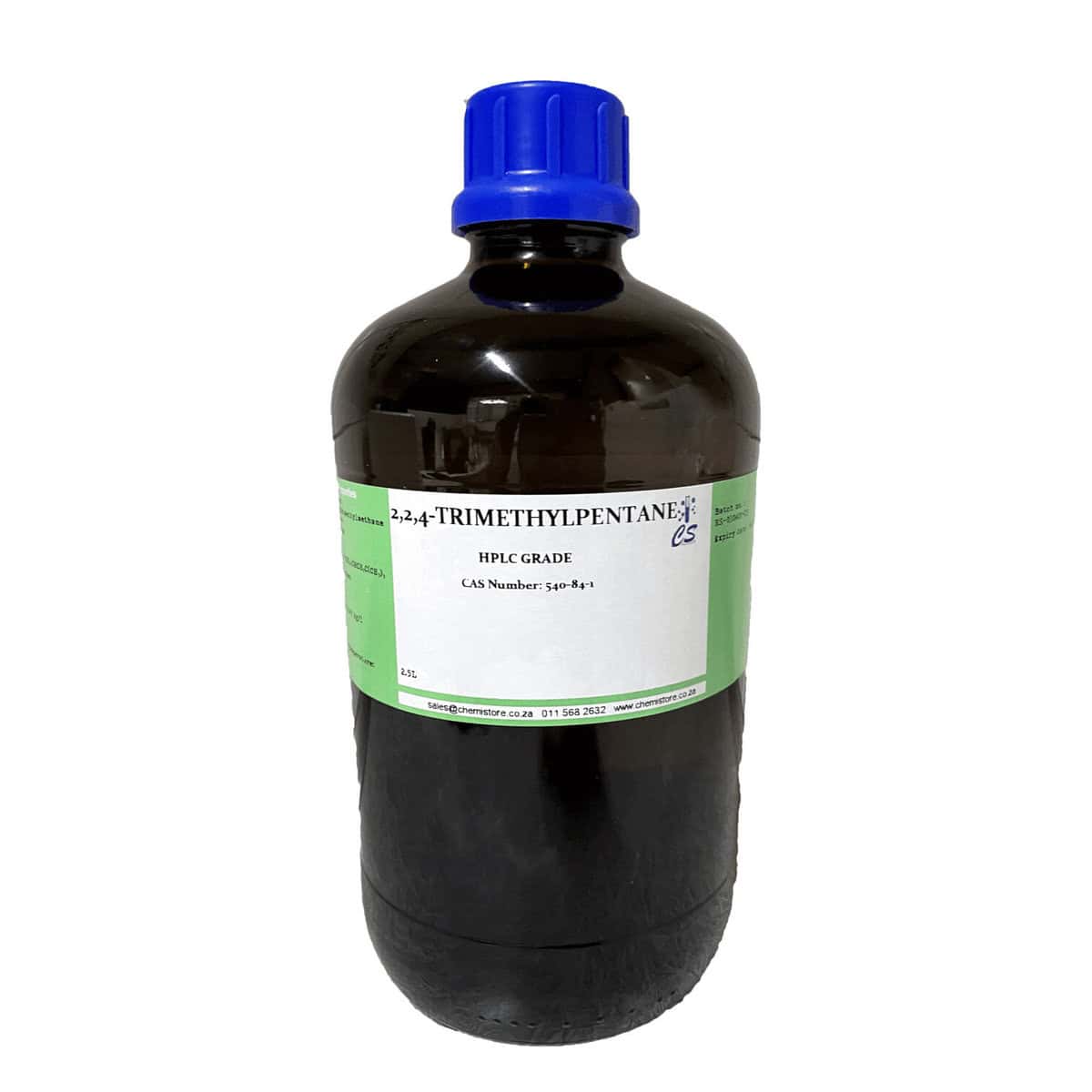
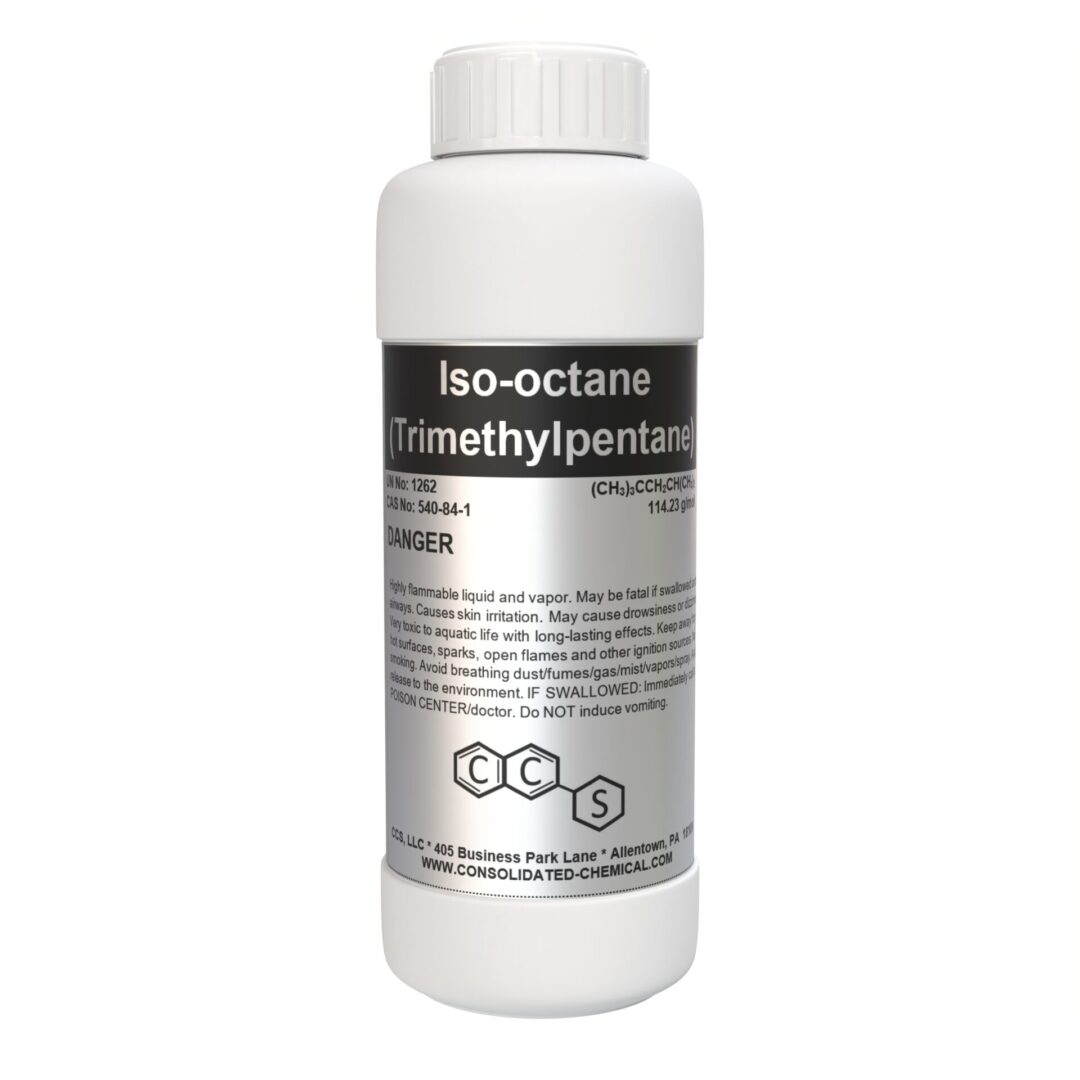
2,2,4-Trimethylpentane, commonly known as iso-octane, is a high-purity, branched-chain alkane serving as the gold-standard reference fuel for determining octane ratings in spark-ignition engines. Its primary industrial use is as a calibration standard in fuel testing and as a high-performance solvent in specialized chemical synthesis. The key value proposition is its exceptional anti-knock properties, chemical stability, and consistent low reactivity, which enable precise engine performance benchmarking. Strategically, iso-octane is critical to the global automotive and petrochemical sectors, where regulatory compliance and fuel efficiency mandates drive demand for reliable reference materials.
2. Key Specifications & Technical Characteristics
-
Chemical composition: 2,2,4-Trimethylpentane (C₈H₁₈); branched-chain alkane, ≥99.5% purity by GC
-
Grade available: Analytical Reagent (AR) / Reference Fuel Grade; ASTM D2699 compliant
-
Physical characteristics:
-
Form: Clear, colorless liquid
-
Density: 0.691–0.693 g/mL at 20°C
-
Boiling point: 99–100°C
-
Flash point: -12°C (closed cup)
-
Octane number (RON): 100 (defined standard)
-
-
Packaging options:
-
1L, 5L, 20L HDPE containers
-
200L steel drums (UN certified)
-
IBC totes (1,000L)
-
Bulk isotanks (20 MT)
-
-
Shelf life: 36 months when stored in sealed, original containers under inert atmosphere, away from ignition sources and oxidizing agents
3. Core Industrial Applications
-
Primary industries: Automotive fuel testing, petrochemical refining, specialty lubricants, analytical laboratories, and high-purity solvent manufacturing
-
Specific operational use cases:
-
Octane rating calibration for motor gasoline (Research Octane Number and Motor Octane Number testing per ASTM D2699/D2700)
-
Solvent in polymerization reactions where non-polar, low-reactivity media are required
-
Reference matrix for GC-MS analysis in environmental and forensic labs
-
-
Performance advantage: Unlike n-octane or toluene blends, iso-octane offers zero oxygenate interference, minimal evaporative losses during testing, and reproducible knock intensity — ensuring regulatory audits pass first time. Cost advantage comes from reduced re-testing and extended calibration intervals.
4. Competitive Advantages
-
Quality consistency: Batch-to-batch purity variation <0.1%; ISO 17025-certified analytical certificates provided per shipment
-
Supply reliability: Multiple strategic manufacturing sites with 99.9% on-time delivery rate over 5 years; safety stock held regionally
-
Logistics capability: Hazmat-certified global shipping network (Class 3 flammable liquid, UN 1262); express and economy options available
-
Price competitiveness: Tiered pricing for contract volumes (>100 MT/year) with index-linked or fixed-price mechanisms
-
Sustainability: Available with carbon footprint declaration; reusable isotank program reduces single-use drum waste by up to 70%
-
Technical support: Dedicated application specialists for ASTM method troubleshooting and custom blending requirements
5. Commercial & Supply Information
-
Minimum order quantity (MOQ): 20 liters (1 tote or equivalent drum quantity)
-
Bulk order specification: 20 MT (metric tons) per isotank or flexitank
-
Loading capacity:
-
20 ft container (drums / totes): Max 16 MT net (80 drums of 200L)
-
40 ft container (totes / palletized drums): Max 24 MT net
-
Isotank (dedicated): 20 MT net per tank, single product
-
For spot quotes, long-term supply agreements, or regulatory d


Reviews
There are no reviews yet.