
Description
1. Product Overview
1,6-Hexanediol (HDO) is a high-purity linear diol essential for producing high-performance polymers, coatings, adhesives, and industrial intermediates. Its primary industrial use is as a building block for polyurethanes, polyester resins, and acrylics, where it imparts exceptional flexibility, hydrolysis resistance, and weatherability. The key value proposition lies in its ability to enhance product durability and mechanical strength while reducing volatile organic compound (VOC) emissions in end formulations. Strategically, HDO is critical for industries transitioning to high-durability, low-migration materials, positioning it as a non-negotiable input for premium industrial supply chains.
2. Key Specifications & Technical Characteristics
-
Chemical composition: 1,6-Hexanediol (C₆H₁₄O₂), linear aliphatic diol
-
Purity level: ≥ 99.5% (industrial grade) / ≥ 99.9% (pharma/intermediate grade available)
-
Physical characteristics:
-
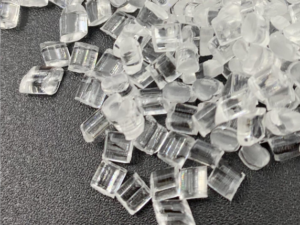
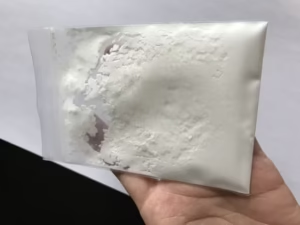
Form: White crystalline solid at room temperature
-
Color: Max 10 APHA (molten)
-
Melting point: 40–42°C
-
Density (at 50°C): ~0.96 g/cm³
-
Viscosity (molten): ~60–80 mPa·s
-
-
Packaging options:
-
25 kg multilayer paper bags with PE liner
-
200 kg net steel drums
-
1,000 kg IBC totes
-
Bulk molten ISO tank (temperature-controlled)
-
-
Shelf life: 24 months when stored in dry, cool (<35°C), ventilated conditions, away from oxidizing agents
3. Core Industrial Applications
-
Primary industries: Polyurethane (PU) manufacturing, coatings & paints, adhesives & sealants, engineering plastics, and synthetic lubricants.
-
Operational use cases:
-
PU elastomers & castings: Imparts flexibility and low-temperature impact resistance in wheels, rollers, and seals.
-
Polyester resins for coil coatings: Enhances weathering resistance and gloss retention in architectural and automotive coatings.
-
Reactive hot-melt adhesives (HMPUR): Provides rapid green strength and hydrolysis resistance for woodworking and automotive assembly.
-
Plasticizers for PVC: Acts as a non-migrating, low-toxicity alternative to phthalates.
-
-
Why better than alternatives: Compared to 1,4-butanediol or 1,5-pentanediol, 1,6-Hexanediol offers superior hydrolysis resistance and lower crystallinity in polymers, resulting in longer service life under humid or outdoor conditions. Its linear C6 chain balances stiffness and elasticity more effectively than shorter diols, reducing brittleness without sacrificing thermal stability.
4. Competitive Advantages
-
Quality consistency: ISO 9001:2025 certified production with batch-to-batch GC-FID analysis; typical purity variance <0.1%.
-
Supply reliability: Multiple manufacturing sites (Asia, Europe, North America) with redundant raw material sourcing; 98% on-time-in-full (OTIF) performance over 24 months.
-
Logistics capability: Dedicated molten ISO tank fleet for just-in-time delivery to PU reactors; ambient storage solutions for crystalline form.
-
Price competitiveness: Long-term fixed-volume contracts with spot-volume flexibility; price benchmarking against ICIS and Platts diol indices.
-
Sustainability: Bio-based route available (ASTM D6866 certified); 30% lower carbon footprint than conventional petrochemical HDO.
-
Technical support: Free SDS, COA, and formulation guidance from in-house polymer engineers; rapid quality incident resolution within 48 hours.
5. Commercial & Supply Information
-
Minimum Order Quantity (MOQ):
-
Crystalline (bags/drums): 1 metric ton (MT)
-
Molten (tank): 20 MT
-
-
Bulk 20 MT loading capacity (20-ft container equivalent):
-
Crystalline (25 kg bags palletized): 20 MT net per 20-ft container (18 pallets, 1120 bags)
-
Drums (200 kg): 18 MT net per 20-ft container (90 drums)
-
IBC totes (1,000 kg): 20 MT net per 20-ft container (20 totes)
-
Molten ISO tank: 20–24 MT per tank container (direct pump-out to customer storage)
-


Reviews
There are no reviews yet.