
Description
1. Product Overview
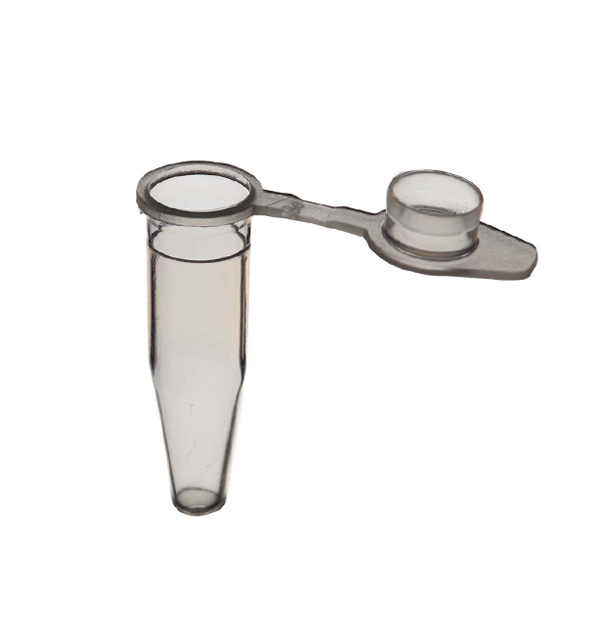
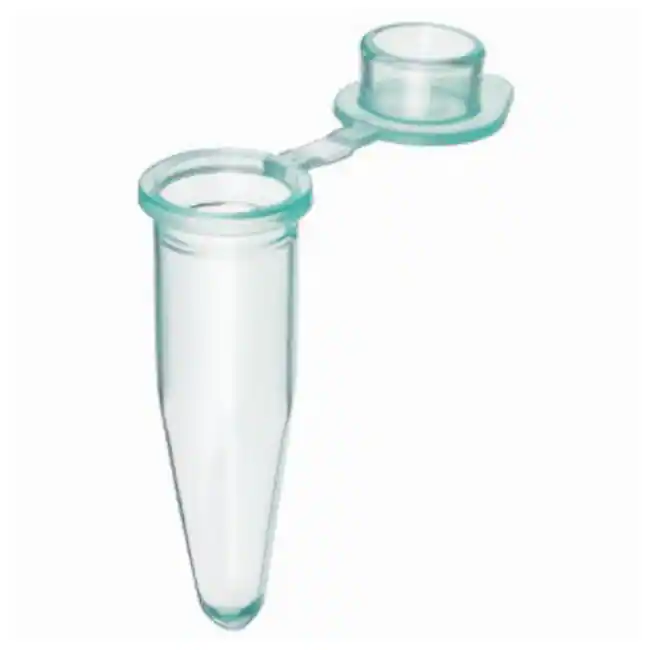
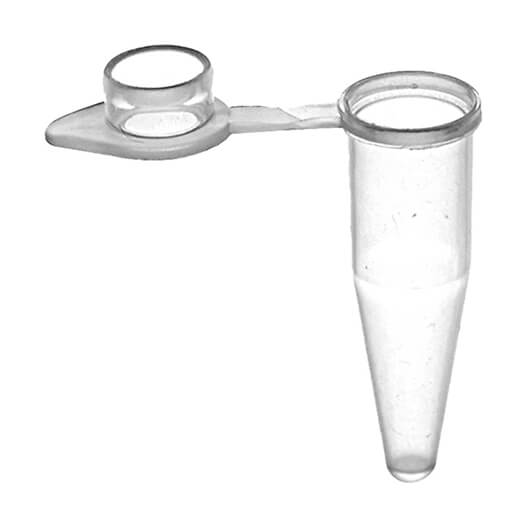
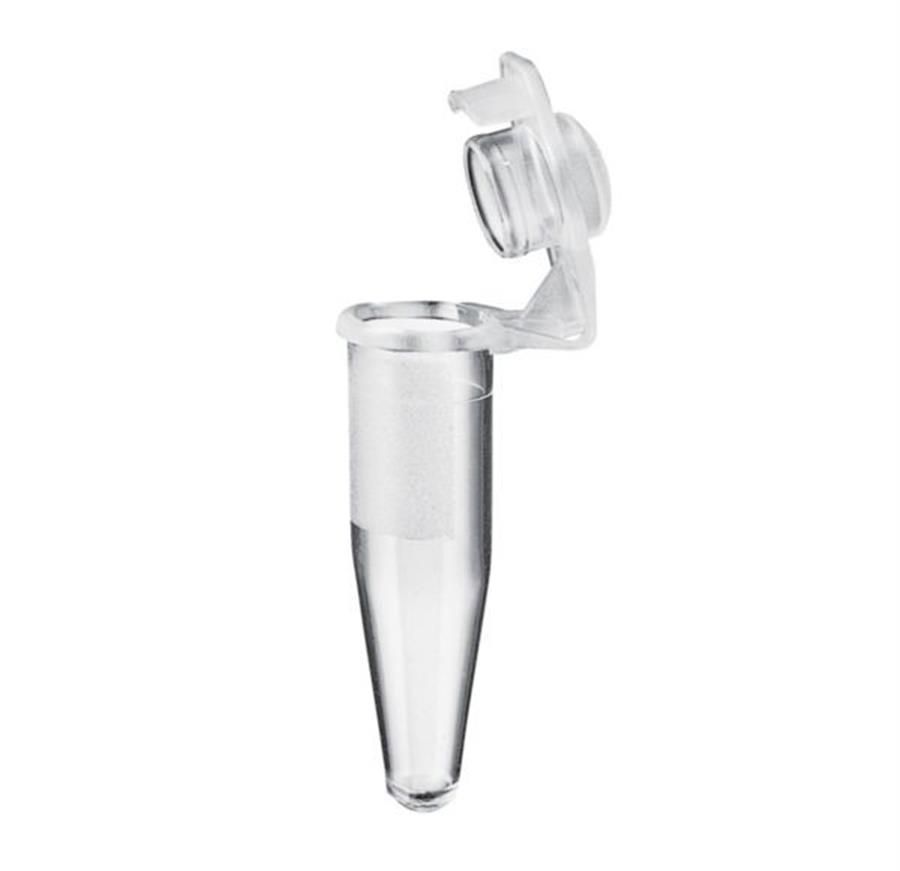
The 0.2 mL PCR Tube is a precision-engineered, single-use polypropylene consumable designed for polymerase chain reaction and other thermal cycling applications in molecular biology. Its primary industrial use spans pharmaceutical R&D, clinical diagnostics, biotechnology manufacturing, and academic genomics laboratories where sample integrity and thermal efficiency are critical. The key value proposition lies in ultra-thin wall construction for rapid heat transfer, certified DNase/RNase-free status, and high lot-to-lot consistency that minimizes assay variability. It is strategically important in the market as reliable thermal cycling consumables directly impact PCR success rates, regulatory compliance, and throughput in high-volume testing and drug development workflows.
2. Key Specifications & Technical Characteristics
- Material Composition: Medical-grade virgin polypropylene, autoclavable, non-pyrogenic, free of heavy metals, plasticizers, and mold release agents
- Purity Level / Grade: Certified DNase-free, RNase-free, human DNA-free, endotoxin-free, PCR inhibitor-free. Meets ISO 13485 manufacturing standards
- Physical Characteristics:
- Form: 0.2 mL individual tubes or 8-strip format with attached flat or domed caps
- Color: Natural/clear, with additional colors available for sample coding
- Wall Thickness: Ultra-thin uniform 0.30 mm for optimal thermal transfer
- Temperature Range: Stable from -80°C to +121°C, compatible with standard and fast thermal cyclers
- Cap Design: Secure pressure seal to prevent evaporation, certified leak-free at 15 psi
- Packaging Options: Bulk bags of 1,000 pcs, sterile racked boxes of 96 pcs, 8-strip tubes in 125-strip boxes. Packed in Class 100K cleanroom
- Shelf Life: 5 years from date of manufacture when stored in original packaging at ambient temperature and humidity
3. Core Industrial Applications
- Primary Industries: Pharmaceutical & biotech R&D, clinical diagnostics, contract research organizations, vaccine production, forensic laboratories, academic research, agricultural genomics
- Specific Operational Use Cases: qPCR, RT-PCR, endpoint PCR, DNA/RNA storage, enzymatic reactions, sample preparation for next-generation sequencing, and low-volume reagent aliquoting
- Performance vs. Alternatives: Outperforms generic tubes through uniform wall thickness that reduces cycle times by up to 15% and minimizes well-to-well variation. The secure cap design yields <0.1% evaporation loss versus industry average of 0.5%, protecting high-value reagents
- Efficiency, Durability, or Cost Advantages: High thermal conductivity lowers energy use per run. Robust polypropylene resists cracking during freeze-thaw cycles, reducing repeat tests. Bulk packaging and nesting design cut shipping volume and storage costs for high-throughput labs
4. Competitive Advantages
- Quality Consistency: Automated 100% optical inspection and validated CV <2% on dimensional tolerances ensure reliable fit across all major thermal cycler brands including Bio-Rad, Thermo Fisher, and Eppendorf
- Supply Reliability: Dedicated production lines with 98.5% on-time delivery rate and regional distribution hubs in North America, EU, and APAC to mitigate disruption risk
- Logistics Capability: Palletized, ISTA-3A certified packaging. Full cold-chain documentation available for temperature-sensitive shipments
- Price Competitiveness: Tiered volume pricing and long-term supply agreements reduce total cost per test for high-volume diagnostic and CDMO customers
- Sustainability: Recyclable polypropylene with option for mass-balance certified bio-based PP. Bulk packaging reduces plastic waste by 30% vs. individual rack formats
- Technical Support / Documentation: Full regulatory dossier available including USP Class VI, CE-IVD, RNase/DNase certification, and extractables data. Dedicated application specialists for protocol optimization
5. Commercial & Supply Information
- Minimum Order Quantity (MOQ): BULK 20MT
- Loading Capacity: MT per container
Reviews
There are no reviews yet.