

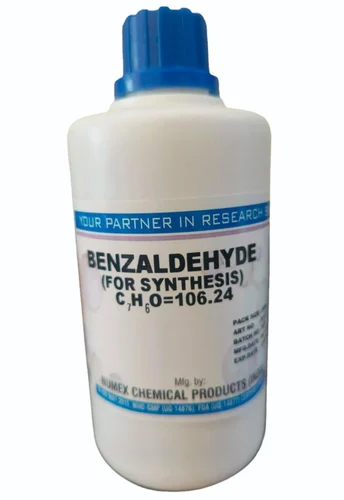
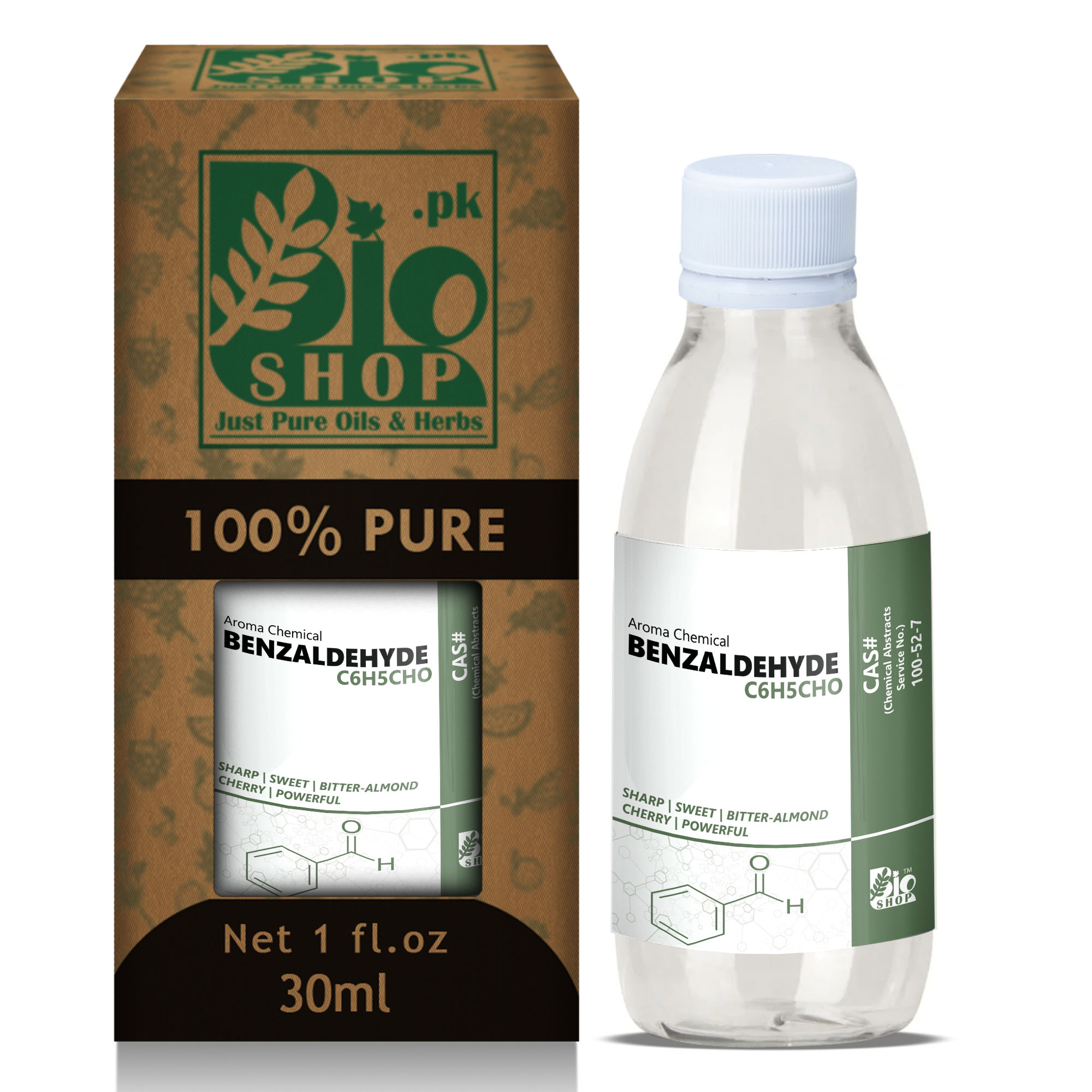
Description
1. Product Overview
Benzaldehyde is a primary aromatic aldehyde serving as a critical intermediate in organic synthesis for fine chemicals, pharmaceuticals, and agrochemicals. Its principal industrial use lies in the production of cinnamaldehyde, benzoic acid, and dye precursors, offering exceptional reactivity and purity for downstream processes. The key value proposition is batch-to-batch consistency that minimizes process deviations in large-scale manufacturing. Strategically, it is indispensable for global supply chains dependent on high-performance intermediates for flavor, fragrance, and specialty chemical markets.
2. Key Specifications & Technical Characteristics
-
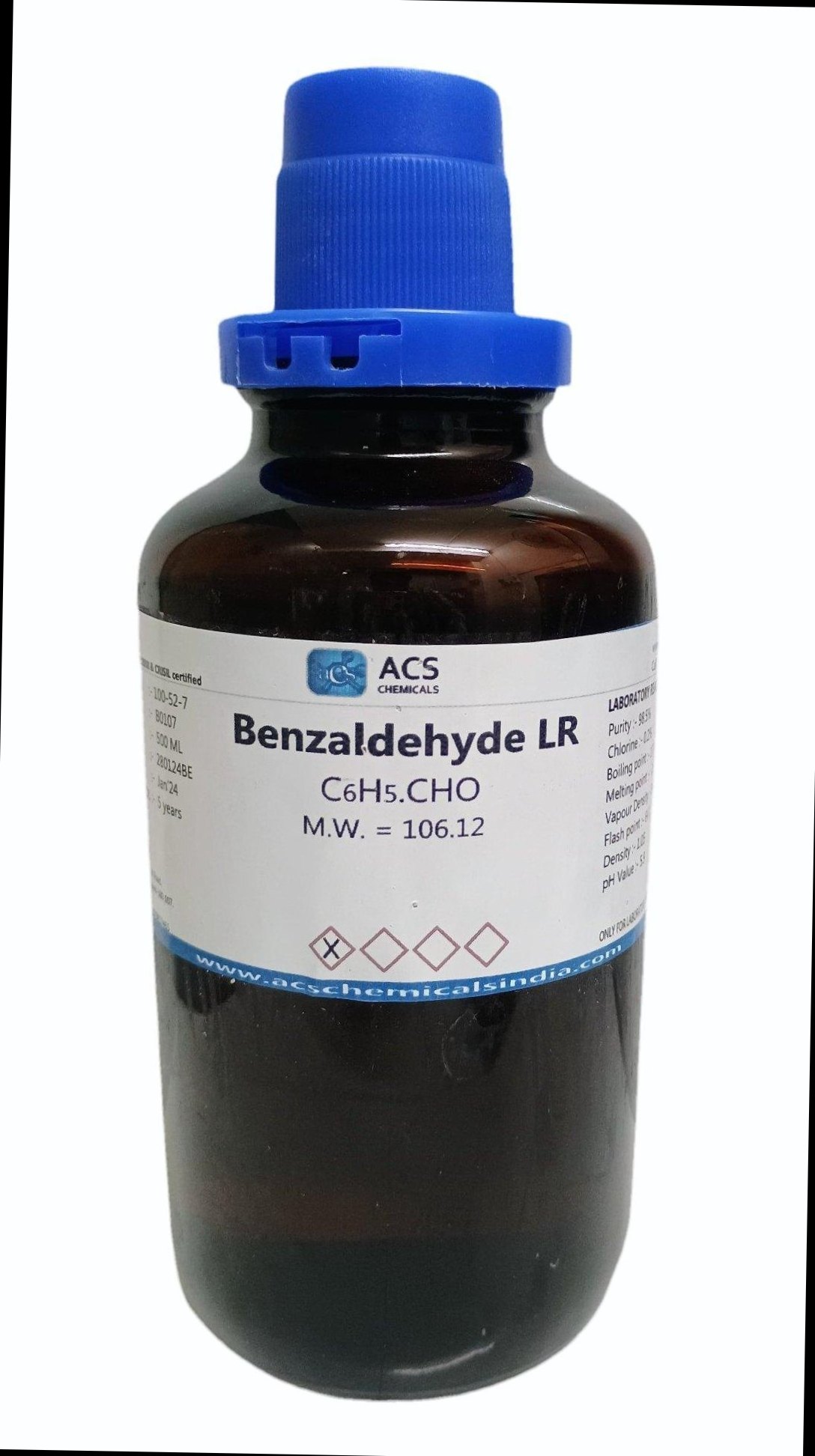
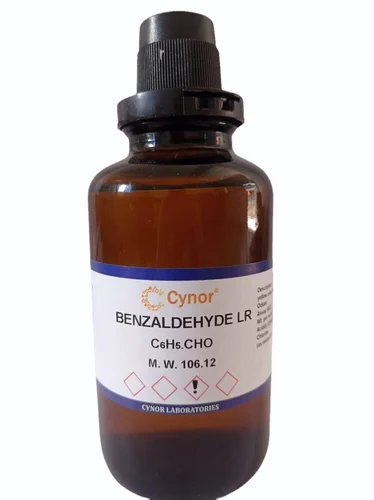
Chemical composition: Benzaldehyde (C₆H₅CHO), ≥99.5% min. by GC
-
Purity grade: Industrial/Pharma-intermediate grade (low chlorine, low benzoic acid)
-
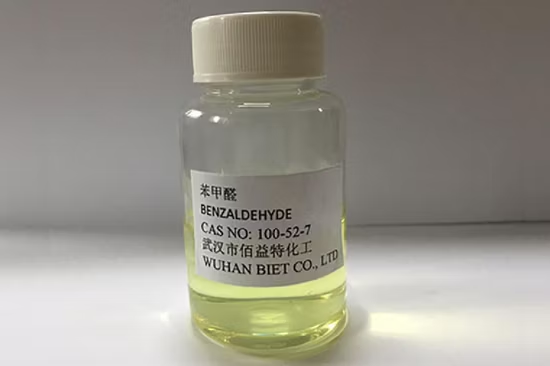
Physical characteristics: Colorless to pale yellow liquid; characteristic almond odor; density 1.044 g/mL at 20°C; refractive index n²⁰/D 1.544-1.546
-
Packaging options: 200 kg new steel drums, 1,000 kg IBC totes, bulk ISO tank containers
-
Shelf life: 12 months when stored under nitrogen in original sealed containers, away from light and air
3. Core Industrial Applications
-
Pharmaceuticals & agrochemicals: Synthesis of mandelic acid, ephedrine derivatives, and fungicide intermediates – outperforms lower-purity grades by eliminating side reactions.
-
Flavors & fragrances: Precursor for benzyl alcohol, cinnamaldehyde, and acetal – offers superior olfactory purity over competing sources.
-
Paints & coatings: Corrosion inhibitor and intermediate for specialty resins – provides cost efficiency due to higher reactivity, reducing catalyst load.
-
Plastics & polymers: Chain transfer agent in polymerization – enables better molecular weight control than alternative aldehydes.
4. Competitive Advantages
-
Quality consistency: ISO 9001:2025 certified production with real-time GC monitoring; each batch includes CoA.
-
Supply reliability: Dual-sourced global manufacturing with 99% on-time-in-full track record across Asia, Europe, and Americas.
-
Logistics capability: Hazmat-certified shipping (UN1990) with temperature-controlled options for sensitive routes.
-
Cost competitiveness: Direct-from-producer pricing for 20MT+ orders, reducing intermediary markups by 12-18%.
-
Sustainability: Available with ISCC+ mass-balance certification; recovered solvent loops reduce carbon footprint by 30%.
5. Commercial & Supply Information
-
Minimum order quantity (MOQ): 20 MT (bulk)
-
Bulk 20MT loading capacity: 20 MT per 20-ft ISO tank container (net weight)



Reviews
There are no reviews yet.