
Description
1. Product Overview
Glucoamylase Enzyme (EC 3.2.1.3) is a high-performance industrial biocatalyst widely used for the complete saccharification of starch into glucose. It plays a critical role in industries such as bioethanol production, brewing, food processing, and starch-based sweetener manufacturing, where maximum glucose yield and process efficiency are essential. This enzyme is typically derived from optimized microbial fermentation strains (commonly Aspergillus niger), ensuring consistent catalytic activity and industrial scalability.
Its key value proposition lies in its ability to deliver high glucose conversion efficiency under mild processing conditions, reducing energy input and improving overall yield economics. In modern bioprocessing systems, glucoamylase is strategically important as it enhances downstream fermentation performance and product purity. In integrated enzyme systems, it often works synergistically with debranching enzymes and β-glucosidase, improving total carbohydrate hydrolysis efficiency and overall process throughput.
2. Key Specifications & Technical Characteristics
- Enzyme Name: Glucoamylase (Amyloglucosidase)
- Enzyme Classification: EC 3.2.1.3
- Source Organism: Aspergillus niger (fermentation-derived) or equivalent industrial strains
- Form: Liquid concentrate or spray-dried powder
- Activity Range: Customizable (e.g., 100,000 – 300,000 U/mL or U/g depending on grade)
- Purity: Industrial-grade, food/technical grade available upon request
- Appearance:
- Liquid: Amber to brown liquid
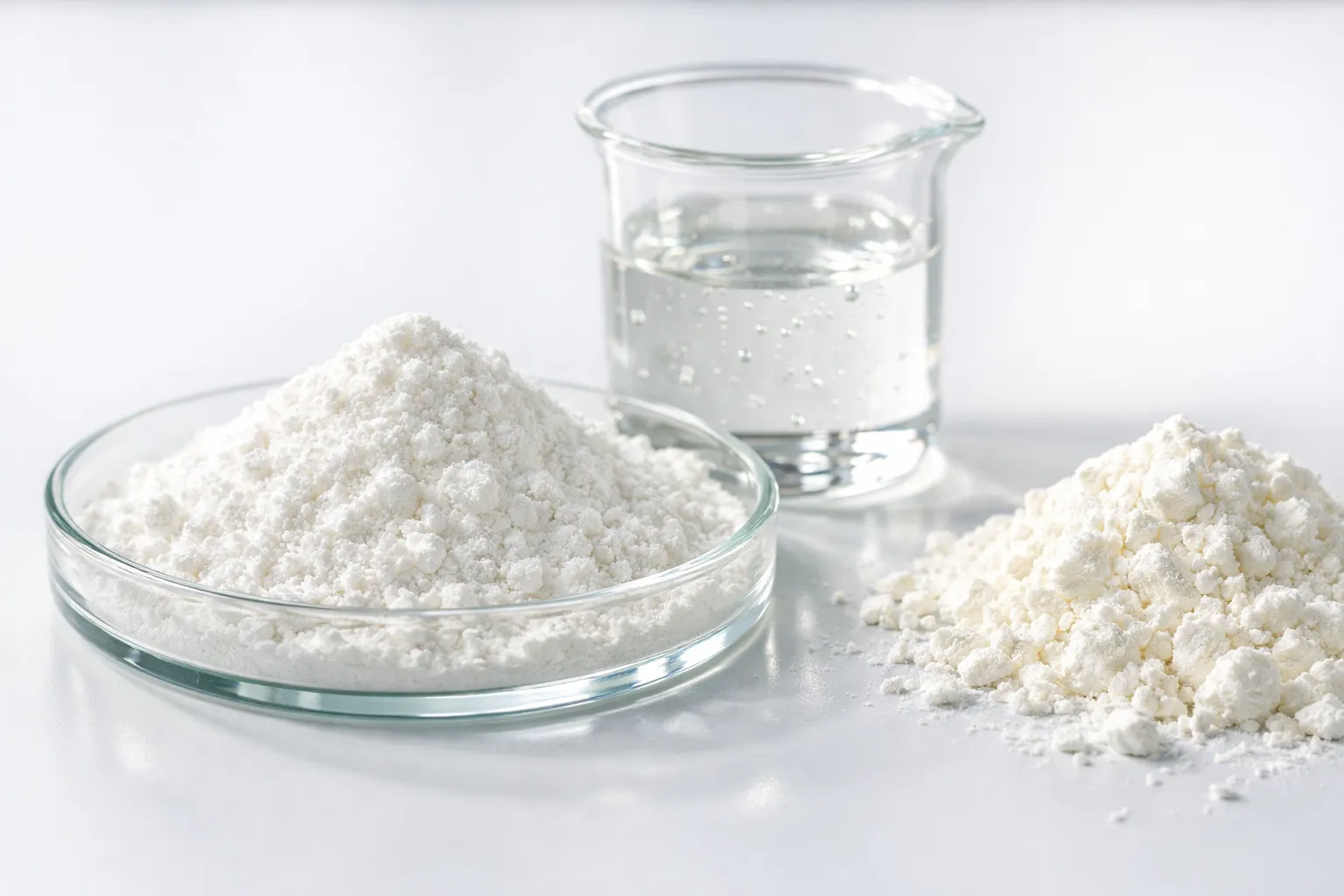
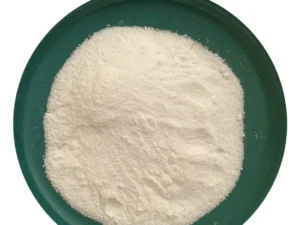
- Powder: Light yellow to off-white free-flowing powder
- Solubility: Fully water-soluble
- pH Range (Optimal): 4.0 – 5.5
- Temperature Range (Optimal): 55°C – 65°C
- Stability: High stability under controlled storage conditions
- Packaging Options:
- 25 kg drums (liquid)
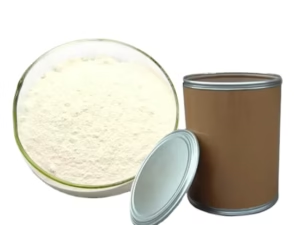
- 20 kg fiber drums or bags (powder)
- Bulk IBC containers available
- Shelf Life: 12–24 months depending on storage conditions (cool, dry, sealed environment)
3. Core Industrial Applications
Glucoamylase is a core enzyme in starch conversion technologies, enabling the hydrolysis of dextrins and oligosaccharides into fermentable glucose units.
- Bioethanol Production: Converts liquefied starch into glucose for efficient fermentation into ethanol, maximizing yield per feedstock ton.
- Brewing & Distilling: Enhances fermentable sugar content, improving alcohol yield and process consistency.
- Glucose Syrup & Sweetener Industry: Produces high-DE glucose syrups used in confectionery, beverages, and pharmaceuticals.
- Food Processing: Supports controlled starch breakdown in bakery and processed food formulations.
- Industrial Biotechnology: Used in integrated enzyme systems alongside amylases and accessory enzymes (including β-glucosidase) to improve total biomass conversion efficiency.
Compared to conventional acid hydrolysis methods, glucoamylase offers superior selectivity, lower energy consumption, and reduced by-product formation, making it the preferred solution for modern enzymatic starch processing.
4. Competitive Advantages
- High Catalytic Efficiency: Optimized for maximum glucose yield from starch substrates
- Batch-to-Batch Consistency: Strict quality control ensures stable enzymatic performance
- Reliable Supply Chain: Scalable production capacity for continuous industrial demand
- Cost Efficiency: Reduces energy input and raw material wastage in saccharification processes
- Sustainability Benefits: Enables greener, enzymatic processing with reduced chemical usage and lower environmental impact
- Technical Documentation: Full COA, MSDS, and application protocols available for industrial integration
- Process Optimization Support: Technical advisory available for enzyme dosage optimization and process scaling
5. Commercial & Supply Information
- Minimum Order Quantity (MOQ): Bulk 20 MT
- Packaging for Bulk Supply: Industrial drums, fiber drums, or IBC totes depending on logistics requirements
- Loading Capacity:
- Approximately 20–25 MT per 20’ FCL (Full Container Load)
- Higher capacities available for 40’ container shipments depending on packaging configuration
- Supply Model: FOB / CIF / CFR available upon request
- Lead Time: 2–4 weeks depending on order volume and customization requirements
Reviews
There are no reviews yet.