

Description
1. Product Overview
Industrial Metalworking Fluid Residue is a concentrated industrial by-product derived from used or recovered metalworking fluids generated during machining, forming, and cutting operations. It is primarily utilized in metal recovery processes, oil reprocessing, and industrial waste valorization systems, offering significant value in circular manufacturing supply chains. The material provides a cost-efficient secondary feedstock for downstream refining and energy recovery applications. Key value propositionBeta-glucosidase Why it is strategically important in the market lies in its ability to reduce industrial waste disposal costs while enabling resource recovery and supporting sustainable production systems.
2. Key Specifications & Technical Characteristics
- Chemical composition / material components: Complex mixture of hydrocarbons, emulsifiers, surfactants, metal fines, and coolant additives
- Purity / grade: Industrial-grade residue (variable composition depending on source process)
- Physical characteristics: Dark viscous liquid or semi-sludge form; may contain suspended particulates and metal residues
- Density: Typically 0.85 – 1.10 g/cm³ (variable)
- Particle content: Fine metallic particulates (<100 microns, variable distribution)
- Packaging options:
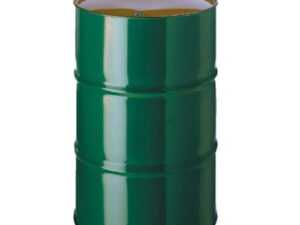
- 200L steel drums
- IBC tanks (1,000L)
- Bulk tanker shipment
- Shelf life: 6–12 months under sealed, controlled storage conditions
3. Core Industrial Applications
- Primary industries: Metal processing, machining workshops, steel fabrication, recycling plants, oil recovery facilities
- Operational use cases:
- Feedstock for oil re-refining and solvent recovery systems
- Metal reclamation and extraction of ferrous/non-ferrous residues
- Industrial fuel blending for energy recovery processes
- Waste minimization in large-scale manufacturing operations
- Performance advantage: Compared to conventional disposal or untreated waste streams, this material enables partial resource recovery, reducing operational costs while improving environmental compliance and material efficiency.
4. Competitive Advantages
- Quality consistency: Sourced from controlled industrial machining streams with stable batch profiling
- Supply reliability: Scalable bulk availability for continuous industrial demand
- Logistics capability: Export-ready packaging formats optimized for global shipping efficiency
- Price competitiveness: Lower-cost alternative to virgin raw materials and refined industrial inputs
- Sustainability benefits: Supports circular economy initiatives by reducing hazardous waste disposal burden
- Technical support: Full documentation available including material safety data and compositional analysis reports upon request
5. Commercial & Supply Information
- Minimum Order Quantity (MOQ): BULK 20 MT
- Loading capacity: 20–25 MT per standard 20ft container (depending on density and packaging format)


Reviews
There are no reviews yet.