

Description
- Product Overview
Industrial Cutting Oil Residue is a concentrated by-product derived from metalworking and machining operations, consisting of spent cutting fluids, emulsified oils, and fine metallic particulates. It is primarily used as a secondary industrial feedstock for oil recovery, energy generation, and thermal processing applications. The key value proposition lies in its ability to serve as a cost-efficient alternative raw material for refineries and industrial fuel processors, reducing dependency on virgin hydrocarbons. Strategically, it plays an important role in circular economy systems by enabling waste-to-resource transformation at scale, supporting both cost optimization and environmental compliance objectives for industrial buyers. - Key Specifications & Technical Characteristics
- Chemical Composition: Spent mineral oils, synthetic cutting fluids, emulsifiers, water content, and trace metal fines
- Purity / Grade: Industrial waste stream (non-refined, variable composition depending on source)
- Physical Characteristics: Viscous liquid/sludge form; dark brown to black color; semi-emulsified consistency
- Density: Approx. 0.85–1.05 g/cm³ (variable depending on water and solids content)
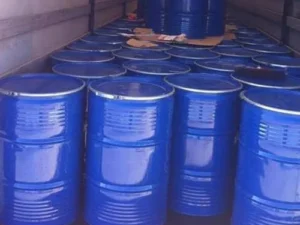
- Packaging Options: 200L steel drums, 1000L IBC tanks, bulk tanker trucks, flexitank containers
- Shelf Life: Stable under sealed storage conditions for up to 12 months; agitation recommended prior to use
- Core Industrial Applications
- Oil Recovery & Re-Refining: Used as a feedstock for base oil regeneration and hydrocarbon recovery processes
- Energy & Fuel Processing: Suitable for co-processing in cement kilns, industrial furnaces, and waste-to-energy systems
- Bitumen & Asphalt Blending: Utilized as a blending component in heavy fuel formulations
- Metalworking Waste Management: Processed in industrial treatment facilities for resource recovery and disposal optimization
This product delivers strong performance advantages through high hydrocarbon content, consistent supply availability from manufacturing hubs, and reduced feedstock costs compared to virgin crude derivatives.
- Competitive Advantages
- Quality Consistency: Controlled sourcing from standardized metalworking operations ensures predictable composition ranges
- Supply Reliability: Continuous generation from global machining and manufacturing industries ensures stable availability
- Logistics Capability: Flexible handling via drums, IBCs, or bulk tankers enables efficient global distribution
- Price Competitiveness: Significantly lower cost compared to refined petroleum feedstocks
- Sustainability Benefits: Supports circular economy initiatives by diverting industrial waste from disposal streams
- Technical Support: Availability of specification sheets, handling guidelines, and compliance documentation for industrial processors
- Commercial & Supply Information
- Minimum Order Quantity (MOQ): 20 MT
- Bulk Supply Capacity: Up to 20 MT per container shipment (standard bulk tanker/flexitank configuration)
- Loading Capacity: Scalable monthly supply contracts available based on buyer demand and regional logistics arrangements



Reviews
There are no reviews yet.