
Description
1. Product Overview
Ti-Al Alloy Slag is a high-value metallurgical byproduct generated during titanium-aluminum alloy production and refining processes, recovered and processed for reintroduction into industrial supply chains. It serves as a cost-efficient alloying and deoxidizing input for the steel, ferroalloy, refractory, and abrasives industries, offering buyers a reliable alternative to virgin titanium and aluminum-bearing raw materials at a fraction of the cost. As global demand for titanium-bearing additives grows alongside increasing pressure to source recycled and circular-economy materials, Ti-Al Alloy Slag represents a strategically positioned, supply-secure raw material for manufacturers seeking to optimize input costs without compromising metallurgical performance. Its dual-metal composition makes it a versatile feedstock across multiple downstream industrial verticals, positioning it as a smart procurement choice for forward-thinking sourcing teams.
2. Key Specifications & Technical Characteristics
- Chemical Composition: Titanium (Ti) content typically 15–40%; Aluminum (Al) content typically 10–30%; balance comprising oxides (TiO₂, Al₂O₃), iron (Fe), silica (SiO₂), and trace minor elements (CaO, MgO)
- Purity / Grade: Multiple grades available based on Ti:Al ratio and impurity thresholds; custom-grade sorting available on request
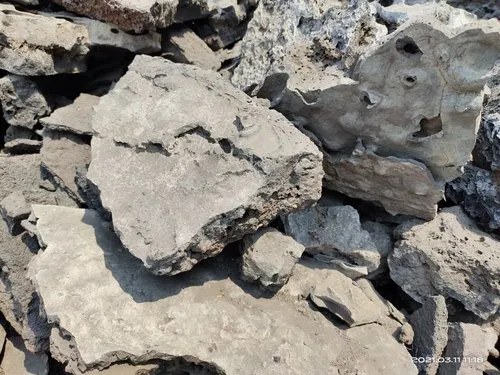
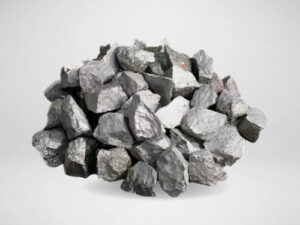
- Physical Form: Irregular lumps and granules; grey to dark grey/silver metallic appearance
- Particle Size: Standard 0–50mm, with custom sizing/screening available (fines, lumps, or mixed)
- Density: Approximately 3.0–4.5 g/cm³ depending on metal-to-oxide ratio
- Packaging Options: Bulk loose loading, 1MT jumbo bags, or as per buyer specification; moisture-resistant packaging available
- Shelf Life: Indefinite under dry, covered storage conditions; recommended protection from prolonged moisture exposure to prevent surface oxidation
3. Core Industrial Applications
- Steel & Ferroalloy Production: Used as a deoxidizing and alloying agent in the production of HSLA (high-strength low-alloy) steels, stainless steel, and specialty alloys, contributing both titanium and aluminum units in a single feedstock
- Refractory Materials: Serves as a raw material input for refractory bricks, castables, and linings due to the high-melting-point oxide content
- Abrasives & Grinding Media: Hardness characteristics make it suitable as feedstock for abrasive grit, sandblasting media, and grinding wheel production
- Welding Consumables: Utilized in flux formulations and electrode coating compounds requiring titanium/aluminum reactivity
Performance Advantages:
- Delivers comparable metallurgical contribution to virgin ferrotitanium and ferroaluminum at significantly reduced cost
- Dual-element composition reduces the need for separate alloying additions, simplifying charge calculations
- Recycled-origin sourcing insulates buyers from raw ore price volatility and supply shocks tied to primary titanium/aluminum markets
4. Competitive Advantages
- Quality Consistency: Each batch is processed and screened to maintain consistent Ti:Al ratios, supported by Certificate of Analysis (COA) documentation
- Supply Reliability: Continuous availability sourced from established alloy processing operations, supporting long-term contract volumes
- Logistics Capability: Container-ready bulk loading with FOB and CIF shipping terms available; export documentation fully supported
- Price Competitiveness: Significantly lower cost per metallic unit compared to virgin ferroalloy inputs, with pricing structures favorable for bulk procurement
- Sustainability Profile: As a recycled industrial byproduct, sourcing this material supports circular-economy and ESG procurement objectives by reducing reliance on primary mining and ore processing
- Technical Documentation: Full MSDS, COA, and technical data sheets provided on request to support buyer due diligence and quality assurance protocols
5. Commercial & Supply Information
- Minimum Order Quantity (MOQ): 20MT (Bulk)
- Container Loading Capacity: Approximately 20–25MT per 20ft container (bulk loose loading); higher capacity achievable with 40ft containers depending on packaging format

Reviews
There are no reviews yet.