
Description
1. Product Overview
Titanium Tetrachloride Residue is a high-value, iron-rich byproduct generated from the Kroll-process production of titanium tetrachloride (TiCl₄), a critical precursor for titanium metal and TiO₂ pigments. Its primary industrial use lies in the recovery of titanium values, iron chlorides, and acid regeneration, serving as a cost-effective feedstock for downstream chemical and metallurgical processes. The key value proposition is the substitution of virgin chlorides and iron oxides with a lower-cost, circular-economy input, reducing raw material spend by up to 30–40% in certain applications. Strategically, this product is increasingly important for markets facing titanium sponge supply constraints and tightening environmental regulations on chloride waste streams.
2. Key Specifications & Technical Characteristics
-
Chemical composition: TiCl₄ residual complex (15–25% Ti), FeCl₂ / FeCl₃ (40–55% Fe equivalent), AlCl₃, SiCl₄, and other heavy metal chlorides in trace amounts
-
Purity level / grade: Technical grade for industrial recovery; not suitable for direct high-purity TiO₂ production without processing
-
Physical characteristics:
-
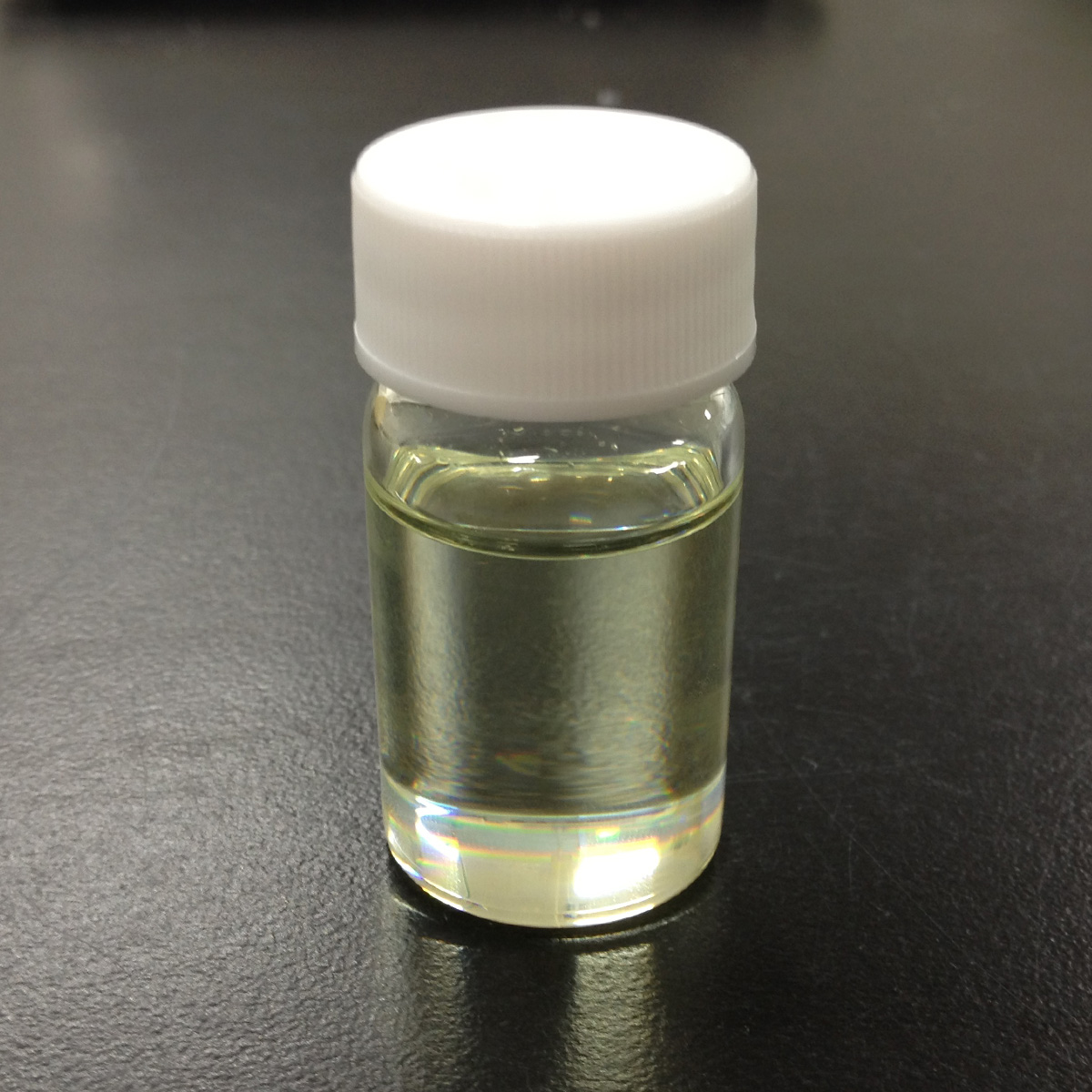
Form: Dark brown to black semi-solid tar or granular solid upon hydrolysis
-
Density: Approx. 1.6–1.9 g/cm³ (varies with residual HCl content)
-
Particle size: Lumps / agglomerates (0–50 mm, typically)
-
-
Packaging options:
-
Bulk isotanks (20–25 mt)
-
Sealed steel drums (200–250 kg) with PTFE liner
-
Custom lined containers for HCl evolution control
-
-
Shelf life: 6 months in sealed, dry, corrosion-proof containers (moisture-sensitive; reacts violently with water)
3. Core Industrial Applications
-
Primary industries: Titanium metal production, pigment manufacturing (sulfate/chloride process), water treatment chemicals, steel pickling regenerants
-
Specific operational use cases:
-
Recovery of TiCl₄ via distillation from residue (closed-loop Ti plants)
-
Production of synthetic rutile or low-grade titanium slag
-
Feedstock for ferric chloride coagulants (water treatment)
-
Acid regeneration in steel pickling lines (HCl recovery systems)
-
-
Performance advantage over alternatives:
-
Lower procurement cost per kg of contained Ti or Fe compared to ore concentrates or virgin chlorides
-
Eliminates hazardous waste disposal fees (savings of $150–300/mt)
-
Higher reactivity in hydrolysis processes due to amorphous chloride structure
-
4. Competitive Advantages
-
Quality consistency: Batch-to-batch compositional variance <±5% for key elements (Ti, Fe, Cl), verified by ICP-OES analysis included with each shipment
-
Supply reliability: Direct sourcing from large-scale TiCl₄ production facilities (annual residue volume >10,000 mt); redundant logistics nodes in US Gulf, Rotterdam, and Shanghai
-
Logistics capability: Dedicated corrosion-resistant bulk transport with real-time GPS tracking and moisture-controlled unloading protocols
-
Price competitiveness: Indexed pricing against TiO₂ feedstock and scrap iron chloride markets, with volume discounts of 8–12% for ≥500 mt/year contracts
-
Sustainability / Environmental: Enables circular economy by diverting hazardous chloride waste from landfill; supports buyers’ ESG targets and zero-waste certification
-
Technical support: Full SDS, reactivity management guide, and 24/7 engineering consultation for residue processing or neutralization
5. Commercial & Supply Information
-
Minimum order quantity (MOQ): 20 metric tons (MT) per shipment
-
BULK loading capacity: 20 MT per standard 20-ft ISO tank container (maximum net weight limited by density and IMO corrosive solids regulations)
-
Shipping terms: EXW (origin plant) or CIF major port; all containers require HAZMAT Class 8 (Corrosive) certification and UN 1813 / 1838 documentation

Reviews
There are no reviews yet.