
Description
1. Product Overview
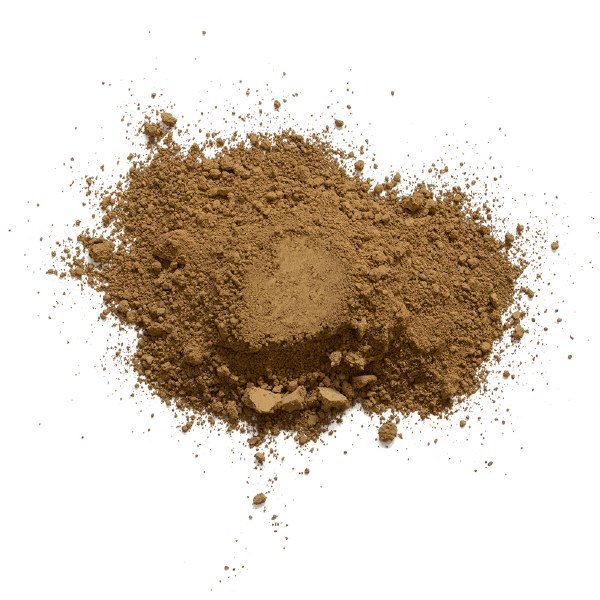
Light REE Residue is a processed by-product derived from rare earth element extraction, containing concentrated levels of light rare earth oxides including lanthanum, cerium, praseodymium, and neodymium. It serves as a cost-effective intermediate feedstock for downstream REE separation, alloy production, and catalyst manufacturing. The key value proposition lies in delivering high recoverable REE content at a reduced input cost versus primary concentrates, enabling buyers to optimize raw material economics. In a market defined by supply chain security and critical mineral demand, Light REE Residue is strategically important for diversifying sourcing and ensuring production continuity for permanent magnet, polishing, and energy transition applications.
2. Key Specifications & Technical Characteristics
- Chemical Composition: Mixed light rare earth oxides (LREO). Typical distribution: La₂O₃ 25-35%, CeO₂ 45-55%, Pr₆O₁₁ 4-6%, Nd₂O₃ 10-15%. Trace elements: Fe, Ca, Al, Si <2.5% total
- Purity Level / Grade: Total Rare Earth Oxide (TREO) 55-65%. Low radioactive elements: Th <500 ppm, U <50 ppm
- Physical Characteristics:
- Form: Fine powder to granular residue
- Color: Light brown to off-white
- Particle Size: D50 45-150 µm, customizable on request
- Bulk Density: 1.2-1.6 g/cm³
- Moisture Content: ≤1.5% as packed
- Packaging Options: 25 kg or 50 kg woven PP bags with PE liner, 1 MT jumbo bags, bulk in lined containers. Custom packaging available
- Shelf Life: Chemically stable. 24 months when stored in dry, covered conditions away from direct moisture
3. Core Industrial Applications
- Primary Industries: Rare earth separation plants, permanent magnet producers, glass and ceramics, fluid catalytic cracking (FCC) catalyst manufacturers, metal alloy and battery material sectors
- Specific Operational Use Cases: Feed material for solvent extraction to isolate individual light REEs; raw input for NdPr oxide and mischmetal production; cerium-rich polishing powder precursor; additive in FCC catalysts for petroleum refining
- Performance Advantages: Offers higher TREO concentration than many mining tailings or low-grade ores, reducing acid consumption and processing time in separation. Delivers lower unit cost per kg of recoverable NdPr versus primary monazite or bastnaesite concentrates
- Efficiency & Cost Advantages: Enables processors to blend with higher-grade feed to stabilize input costs. Reduces upstream mining dependency and shortens lead time for magnet alloy supply chains
4. Competitive Advantages
- Quality Consistency: Batch-tested with ICP-OES and XRF. Certificate of Analysis provided per shipment. Low variability in LREO distribution ensures predictable downstream yield
- Supply Reliability: Sourced from established processing facilities with multi-year output history. Dedicated allocation available for annual contracts
- Logistics Capability: Export-ready from major Asian ports. Experienced in DG-compliant documentation, radiation safety reports, and customs clearance for REE materials
- Price Competitiveness: Positioned 15-25% below primary LREE concentrate on TREO basis, providing margin protection for separators and magnet makers
- Sustainability Benefits: Supports circular economy by valorising extraction by-products. Reduces environmental footprint versus greenfield mining. Traceable supply chain available
- Technical Support: Full documentation including MSDS, TDS, REACH, and radioactivity test reports. Metallurgical advisory available for process integration
5. Commercial & Supply Information
|
Parameter |
Detail |
|---|---|
|
Minimum Order Quantity (MOQ) |
BULK 20MT |
|
Loading Capacity (MT per container) |
20MT per 20ft FCL, lined container |
Reviews
There are no reviews yet.