
Description
1. Product Overview
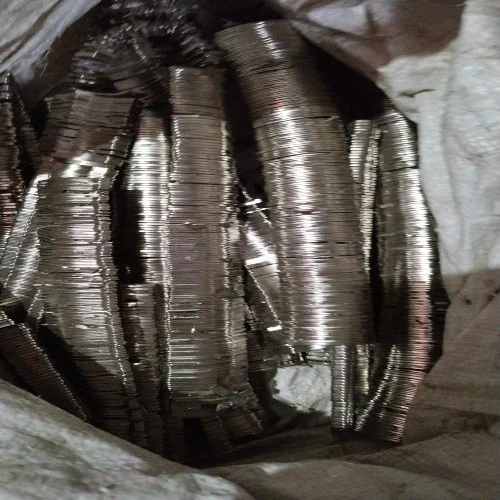
Neodymium-Iron-Boron (NdFeB) Magnet Scrap is a high-grade post-industrial and end-of-life rare earth material recovered from used magnets, motors, and electronic assemblies. Its primary industrial use is as a secondary feedstock for rare earth element extraction, alloy remanufacturing, and sintered/bonded magnet production. The key value proposition lies in delivering substantial cost savings and supply chain security versus virgin rare earth oxides while maintaining high neodymium and dysprosium content. It is strategically important in the global market as governments and manufacturers prioritize circular supply chains, reduce dependency on primary mining, and secure critical materials for EVs, wind turbines, and defense applications.
2. Key Specifications & Technical Characteristics
- Chemical Composition: Typical content Nd 25-32%, Pr 5-8%, Dy 0.5-5%, Tb 0-1%, Fe 60-70%, B 0.9-1.1%, Co 0-3%, trace Cu, Al, Ga, Nb
- Purity Level / Grade: Mixed grade NdFeB scrap; segregated options available: H-class, SH-class, UH-class based on original magnet performance; TREO content 28-38%
- Physical Characteristics:
- Form: Demagnetized blocks, arc segments, shredded pieces, powder, or mixed metallic chips
- Color: Metallic silver-grey to dark grey with oxidized surface coating
- Particle Size: Blocks 5-100mm; shredded 3-25mm; powder <250μm available on request
- Density: 7.3-7.6 g/cm³ bulk; apparent density 1.8-3.2 g/cm³ for shredded form
- Packaging Options: 1 MT jumbo bags with inner PE liner, 200L steel drums, or 20-25 MT bulk in lined containers; UN-certified packaging for powder grades
- Shelf Life: Indefinite if stored dry; recommended use within 24 months to limit surface oxidation
3. Core Industrial Applications
- Primary Industries: Rare earth separation plants, permanent magnet manufacturers, powder metallurgy, battery alloy producers, hard disk drive recyclers, EV motor and wind turbine OEMs
- Specific Operational Use Cases: Hydrometallurgical leaching for Nd/Pr/Dy recovery; direct recycling into new sintered NdFeB magnets; feed for master alloy production; additive in hydrogen storage alloys
- Why It Performs Better Than Alternatives: Scrap provides immediate access to already-reduced rare earth metals, bypassing energy-intensive mining and cracking stages. It lowers exposure to virgin REO price volatility and export quotas.
- Efficiency, Durability, Cost Advantages: Up to 40% lower input cost versus virgin oxides; 70-90% reduction in carbon footprint per kg TREO recovered; faster procurement lead times from established recycling streams; maintains magnetic performance in closed-loop magnet-to-magnet recycling
4. Competitive Advantages
- Quality Consistency: Batches pre-sorted by origin and grade; XRF and ICP-OES analysis provided per lot; low contamination from Ni/Cu coatings via automated stripping
- Supply Reliability: 300+ MT/month aggregated from OEM production scrap and EOL motors; long-term contracts available; inventory held at bonded warehouses in Asia, EU, US
- Logistics Capability: DDP, CIF, FOB incoterms; experienced in Class 9 UN3077 hazardous goods shipping; full MSDS, TSCA, REACH, IMDS documentation
- Price Competitiveness: Indexed to NdPr oxide with structured discounts for volume and term commitments; no rare earth mining royalties or concentrate penalties
- Sustainability Benefits: Supports Scope 3 emissions reduction; aligns with EU CRMA and US Defense Production Act recycling mandates; traceable chain-of-custody documentation
- Technical Support: In-house metallurgists for tolling and recycling process optimization; sample testing, assay verification, and joint qualification programs
5. Commercial & Supply Information
- Minimum Order Quantity (MOQ): BULK 20MT
- Loading Capacity (MT per container): 20-25 MT per 20ft FCL depending on form and packaging
Reviews
There are no reviews yet.