
Description
1. Product Overview
Organosilicon Residue is a high-value industrial by-product derived from the controlled processing of silicone polymer and monomer production streams. Its primary industrial use is as a cost-effective raw material for manufacturing silicone rubber, water repellents, mold release agents, and as a functional additive in construction and metallurgical applications. The key value proposition lies in delivering consistent organosilicon content at a significantly reduced input cost compared to virgin siloxane feedstocks, enabling improved margin control for downstream manufacturers. It is strategically important in the market as global demand for circular, cost-optimized silicon-based materials accelerates, positioning this residue as a critical component in sustainable and competitive supply chains.
2. Key Specifications & Technical Characteristics
- Chemical Composition: Mixed organosilicon compounds including methyl siloxanes, cyclic siloxanes, and high-boiling polysiloxane oligomers; minor SiO2 and catalyst residues
- Purity Level / Grade: Industrial Grade; Typical active organosilicon content 40%–65% by weight
- Physical Characteristics:
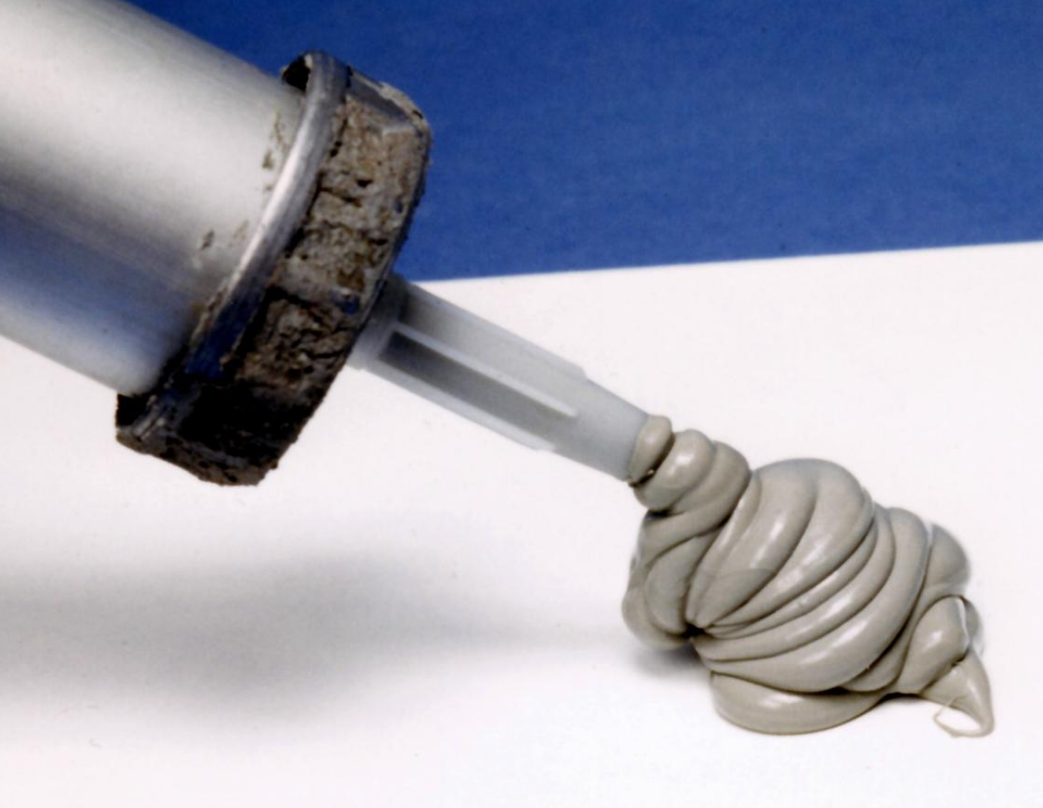
- Form: Viscous liquid to semi-solid paste, depending on batch and temperature
- Color: Light brown to dark amber
- Density: 0.95–1.10 g/cm³ at 25°C
- Viscosity: 500–5,000 mPa·s at 25°C
- Flash Point: >180°C
- Packaging Options: 200L steel drums, 1,000L IBC totes, ISO tank containers, flexitank for bulk shipments
- Shelf Life: 12 months in sealed original packaging, stored in cool, dry conditions away from direct sunlight and moisture
3. Core Industrial Applications
- Primary Industries: Silicone rubber compounding, construction chemicals, metallurgy, textiles, release agent manufacturing, and refractory materials
- Specific Operational Use Cases:
- Feedstock for low-grade silicone rubber and sealants where ultra-high purity is not required
- Hydrophobic additive in concrete, mortar, and masonry water repellents
- Carbon source and slag conditioner in steel and ferroalloy smelting
- Base material for industrial mold release formulations and anti-sticking agents
- Binder component in refractory bricks and insulation materials
- Performance Advantages: Delivers functional silicone properties at 30–50% lower material cost vs. virgin DMC or D4. Provides excellent hydrophobicity, thermal stability, and lubricity in non-critical applications. Reduces formulation cost without sacrificing core performance metrics in secondary processing.
4. Competitive Advantages
- Quality Consistency: Batch-controlled processing and pre-shipment COA verification ensure stable organosilicon content and viscosity range across shipments
- Supply Reliability: Sourced directly from integrated silicone monomer plants with year-round production capacity exceeding 5,000 MT/month
- Logistics Capability: Experienced in bulk liquid logistics with ISO tank and flexitank solutions; global port coverage including major hubs in Asia, Middle East, and Europe
- Price Competitiveness: Positioned as a direct cost-down alternative to primary siloxanes, enabling buyers to hedge against volatile silicone monomer pricing
- Sustainability Benefits: Promotes circular economy by valorising production by-products, reducing waste and lowering Scope 3 emissions for buyers vs. virgin material routes
- Technical Support: Full SDS, TDS, and application guidance provided; dedicated technical team available for formulation and process integration support
5. Commercial & Supply Information
- Minimum Order Quantity (MOQ): BULK 20MT
- Loading Capacity: 20 MT per 20ft container in IBCs; 22–24 MT per ISO tank container
Reviews
There are no reviews yet.