
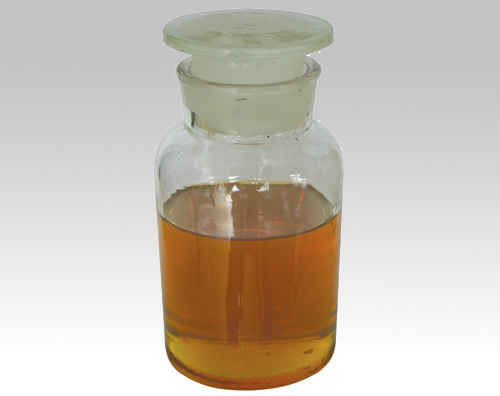
Description
1. Product Overview
Methylcyclopentadienyl Manganese Tricarbonyl (MMT) Residue is an industrial manganese-bearing byproduct derived from the synthesis and purification of MMT, a gasoline antiknock additive. Its primary industrial use is as a secondary raw material for manganese recovery, alloy production, ceramics pigmentation, and specialty chemical synthesis. The key value proposition lies in delivering a cost-effective, high-manganese-content feedstock that reduces dependency on primary ore while supporting circular economy initiatives. It is strategically important as global industries seek secure, sustainable, and price-stable manganese sources amid tightening supply of virgin metals and growing demand in steel, battery, and catalyst sectors.
2. Key Specifications & Technical Characteristics
- Chemical Composition: Manganese-rich organic-inorganic residue containing 8%–15% Mn as MnO/Mn2O3, with residual hydrocarbons, carbon, and trace tricarbonyl complexes
- Purity Level / Grade: Industrial Grade; Mn content guaranteed ≥10% on dry basis; low in Pb, Cd, Hg <50 ppm each
- Physical Characteristics:
- Form: Fine to granular powder/sludge
- Color: Dark brown to black
- Particle Size: D50 40–150 μm, <5% +500 μm
- Bulk Density: 0.9–1.3 g/cm³
- Moisture Content: ≤12% as packed
- Packaging Options: 1 MT jumbo bags with PE liner, 25 MT lined bulk container bags, or bulk in sealed ISO tank upon request
- Shelf Life: 24 months when stored in cool, dry, ventilated area away from oxidizers and direct sunlight
3. Core Industrial Applications
- Primary Industries: Ferroalloy & steel manufacturing, manganese chemical production, ceramics & glass, catalyst manufacturing, fertilizer micronutrients
- Specific Operational Use Cases: Feedstock for electrolytic manganese metal (EMM) and manganese sulfate (MnSO4) production; additive in silicomanganese smelting to adjust Mn balance; pigment base for brown/black ceramic glazes and bricks; precursor in manganese-based catalyst formulations
- Performance vs. Alternatives: Offers 20%–35% lower unit Mn cost compared to primary manganese ore or carbonate, with consistent reactivity due to pre-processed organo-manganese matrix
- Efficiency, Durability, Cost Advantages: Reduces calcination energy in EMM routes due to partial oxidation state; enables waste-to-value utilization, lowering raw material procurement costs; simplifies logistics as a dense, bulk-shippable form vs. low-grade ores
4. Competitive Advantages
- Quality Consistency: Batch-tracked with full COA, ICP, and TGA data; Mn variance controlled within ±0.8%
- Supply Reliability: 500–800 MT monthly production capacity with dedicated stockpiles for contract buyers
- Logistics Capability: Experienced in IMDG-compliant handling, global freight forwarding, and customs documentation for hazardous goods UN 3082, Class 9
- Price Competitiveness: Tiered pricing structure for long-term offtake agreements; significant savings vs. virgin Mn units on LME-linked basis
- Sustainability / Environmental Benefits: Diverts industrial residue from disposal, reducing landfill burden; contributes to Scope 3 emissions reduction for buyers via recycled content
- Technical Support / Documentation: SDS, TDS, REACH-compliant dossiers, and process integration consulting available; sample testing supported pre-shipment
5. Commercial & Supply Information
- Minimum Order Quantity (MOQ): BULK 20MT
- Loading Capacity (MT per container): 20 MT per 20ft FCL with lined jumbo bags

Reviews
There are no reviews yet.