
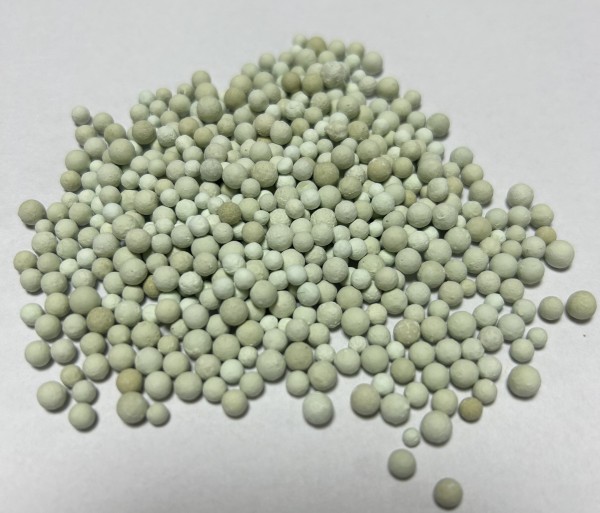
Description
1. Product Overview
Nickel-Molybdenum Hydrodesulfurization Catalyst is a high-activity, alumina-supported catalyst engineered for the removal of sulfur, nitrogen, and metal contaminants from petroleum feedstocks. Its primary industrial use is in refinery hydrotreating units to produce ultra-low sulfur diesel, jet fuel, and naphtha that comply with global clean fuel regulations. The key value proposition lies in its superior hydrogenation activity, extended cycle life, and high tolerance to feedstock variability, delivering measurable reductions in unit downtime and catalyst replacement cost. As tightening sulfur mandates and carbon intensity standards reshape global refining economics, this catalyst is strategically critical for refiners seeking compliance, margin protection, and operational flexibility.
2. Key Specifications & Technical Characteristics
- Chemical Composition: NiO 3.5–4.5 wt%, MoO3 14.0–16.0 wt%, supported on gamma-Al2O3 carrier; Promoters: <1.0 wt% phosphorus
- Purity Level / Grade: Industrial hydroprocessing grade; Sulfurized or pre-sulfided forms available on request
- Physical Characteristics:
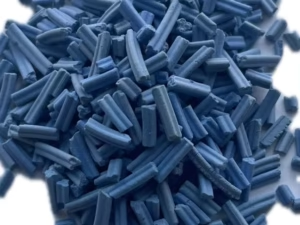
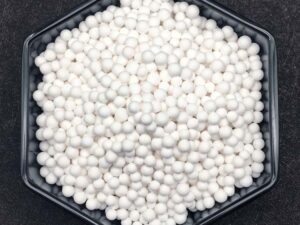
- Form: Extrudate, 1.3 mm and 1.6 mm trilobe or quadrulobe
- Color: Green to gray-green
- Bulk Density: 0.65–0.75 g/cm3
- Surface Area: 160–200 m2/g
- Pore Volume: 0.45–0.55 cm3/g
- Crush Strength: ≥ 1.8 kg/mm
- Packaging Options: 200L steel drums with PE liner, 1 MT super sacks, or 20’ ISO container bulk bags; Nitrogen purged and sealed
- Shelf Life: 36 months in original sealed packaging, stored in dry conditions below 40°C
3. Core Industrial Applications
- Primary Industries: Petroleum refining, petrochemicals, gas-to-liquids, renewable diesel and HVO production
- Specific Operational Use Cases: ULSD hydrotreating, FCC feed pretreatment, kerosene/jet fuel desulfurization, heavy coker naphtha upgrading, base oil hydrofinishing, and co-processing of bio-feedstocks
- Performance Advantages vs. Alternatives: Delivers higher HDS/HDN activity at lower operating temperatures compared to conventional CoMo catalysts, enabling throughput increases or energy savings. Enhanced metal uptake capacity reduces guard bed requirements in heavy feed service
- Efficiency, Durability, Cost Advantages: Achieves <10 ppm sulfur with extended cycle lengths of 36–60 months. High attrition resistance minimizes pressure drop buildup. Lower hydrogen consumption and reduced start-of-run temperature preserve unit hardware and extend turnaround intervals
4. Competitive Advantages
- Quality Consistency: Produced under ISO 9001 certified controls with batch-level traceability and third-party assay validation to ensure ±2% active metals tolerance
- Supply Reliability: Dedicated production lines with 15,000 MT annual capacity and regional stocking hubs in APAC, EMEA, and Americas for rapid dispatch
- Logistics Capability: Experienced in DG Class 4.2 handling, with compliant SDS, fumigation certificates, and customs documentation for 120+ countries
- Price Competitiveness: Optimized manufacturing and integrated metals sourcing enable 8–12% total cost of ownership savings versus tier-1 equivalents
- Sustainability Benefits: Regenerable and reclaimable catalyst; spent catalyst buy-back program available. Production uses low-carbon power and closed-loop water systems
- Technical Support: Full documentation package including BET, TPR, XRD data. Pre-loading simulation, start-up supervision, and unit performance monitoring provided by in-house hydroprocessing specialists
5. Commercial & Supply Information
- Minimum Order Quantity (MOQ): BULK 20MT
- Loading Capacity: 18–20 MT per 20’ FCL container, depending on packaging configuration
Reviews
There are no reviews yet.