
Description
1. Product Overview
Platinum on Carbon (Pt/C) Catalyst is a high-performance heterogeneous catalyst consisting of platinum nanoparticles uniformly dispersed on an activated carbon support. It is primarily used to accelerate hydrogenation, dehydrogenation, and oxidation reactions in pharmaceutical, fine chemical, and petrochemical processes. The key value proposition lies in its exceptional catalytic activity, selectivity, and recyclability, enabling faster reaction rates and higher yields with reduced process costs. As industries transition to more efficient and sustainable synthesis pathways, Pt/C has become strategically critical for manufacturers seeking to optimize throughput, meet stringent purity standards, and lower environmental impact.
2. Key Specifications & Technical Characteristics
- Chemical Composition: Platinum (Pt) metal supported on activated carbon; typical Pt loading 1%, 3%, 5%, 10%, 20% w/w. Custom loadings available.
- Purity Level: Metallic Pt purity ≥99.95%; total metallic impurities ≤500 ppm; low sulfur and chlorine content.
- Physical Characteristics:
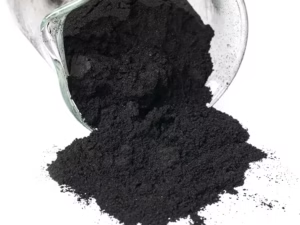
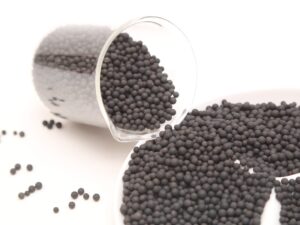
- Form: Fine black powder or wet paste
- Color: Black to dark grey
- Particle Size: D50 = 15–40 µm; BET Surface Area ≥800 m²/g
- Moisture Content: Dry form ≤1%; Wet paste 50–65% water
- Bulk Density: 0.3–0.5 g/cm³
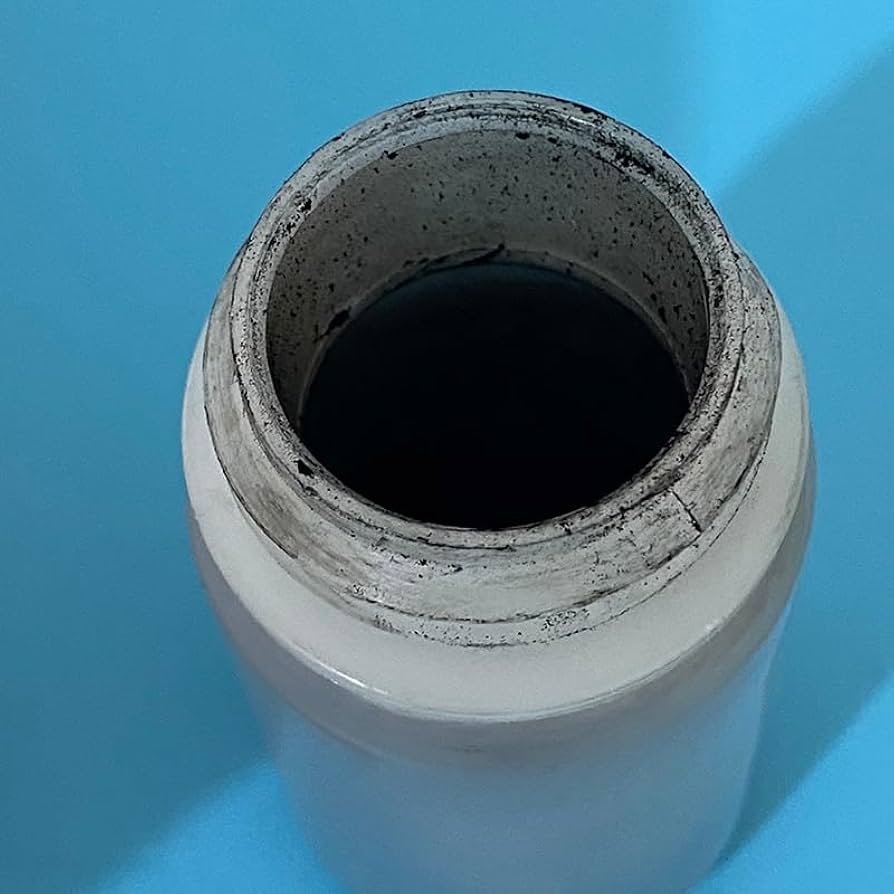
- Packaging Options: 1 kg, 5 kg, 10 kg HDPE bottles under inert gas; 25 kg, 50 kg UN-rated steel drums with PE liner; customized vacuum-sealed packaging for air-sensitive grades
- Shelf Life: 24 months when stored unopened in cool, dry conditions away from oxidizing agents; wet paste grades stable for 12 months under recommended storage
3. Core Industrial Applications
- Primary Industries: Pharmaceuticals and APIs, Agrochemicals, Fine Chemicals, Petrochemicals, Hydrogen Fuel Cells, Specialty Polymers
- Specific Operational Use Cases: Catalytic hydrogenation of nitro compounds, imines, and olefins; debenzylation and deprotection in multi-step API synthesis; hydrogenolysis reactions; anode/cathode catalyst layers in PEM fuel cells; purification of gas streams
- Performance vs. Alternatives: Compared to Raney Nickel or Pd/C, Pt/C offers superior resistance to sulfur and halide poisoning, higher activity under milder conditions, and better selectivity for complex molecules. This reduces side reactions, improves final product purity, and shortens cycle times.
- Efficiency, Durability, Cost Advantages: High dispersion of Pt nanoparticles maximizes active surface area, lowering required catalyst loading per batch. Excellent mechanical stability of the carbon support enables multiple recovery and reuse cycles, reducing total catalyst cost per kg of product by up to 30% versus lower-activity alternatives.
4. Competitive Advantages
- Quality Consistency: Manufactured under ISO 9001:2015 with strict batch-to-batch control on Pt dispersion, surface area, and moisture. Full COA and MSDS provided with each lot.
- Supply Reliability: Dedicated production lines with 500 MT annual capacity and regional stocking hubs in Asia, EU, and North America ensure lead times of 2–4 weeks.
- Logistics Capability: Dangerous Goods certified handling; UN 3077 compliant packaging; experience shipping to 40+ countries with optimized container utilization.
- Price Competitiveness: Direct manufacturer pricing with volume-tier discounts; platinum metal leasing and spent catalyst buy-back programs available to reduce working capital.
- Sustainability Benefits: Spent catalyst reclamation service recovers >98% Pt for reuse, supporting circular economy goals and reducing supply chain risk. Carbon support sourced from certified sustainable raw materials.
- Technical Support: Dedicated catalysis engineers provide application testing, process optimization, and troubleshooting. Regulatory dossiers available for REACH, FDA DMF, and GMP audits.
5. Commercial & Supply Information
- Minimum Order Quantity (MOQ): BULK 20MT
- Loading Capacity: 18–20 MT per 20-ft FCL depending on Pt loading and packaging type
Reviews
There are no reviews yet.