
Description
1. Product Overview
Platinum-Alumina Reforming Catalyst is a high-performance noble metal catalyst engineered for catalytic reforming units in petroleum refineries. Its primary industrial use is converting low-octane naphtha into high-octane reformate, aromatics, and hydrogen for fuel blending and petrochemical feedstocks. The key value proposition lies in its exceptional activity, selectivity, and cycle life, delivering higher reformate yields with reduced coke formation and lower operating severity. It is strategically important in the market because refiners face tightening fuel specifications and hydrogen demand growth, making catalyst efficiency a direct driver of margin and decarbonization targets.
2. Key Specifications & Technical Characteristics
- Chemical Composition / Material Components: Platinum (Pt) 0.25–0.60 wt% on high-purity gamma-alumina (γ-Al₂O₃) support, promoted with chlorine 0.80–1.20 wt% and optional rhenium (Re) for bimetallic grades
- Purity Level / Grade: Industrial reforming grade; metal dispersion ≥85%, total impurities <0.10 wt%, sodium <50 ppm, iron <100 ppm
- Physical Characteristics:
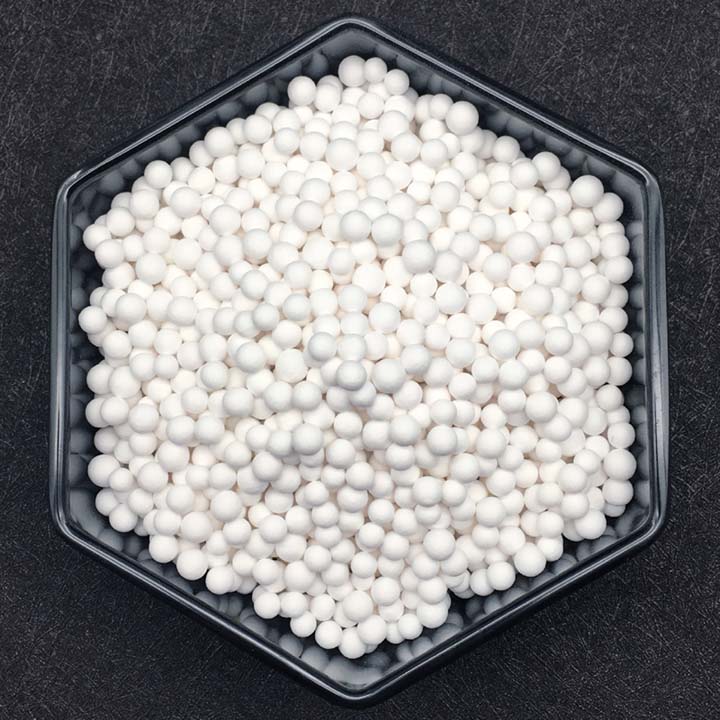
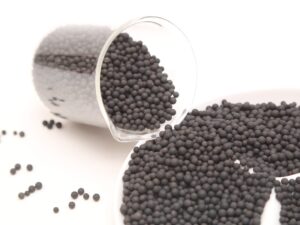
- Form: Extrudates, 1.5–2.5 mm diameter, L/D 2–4
- Color: Off-white to light grey
- Particle Size: Uniform cut, fines <0.5 wt% through 20 mesh
- Bulk Density: 0.65–0.75 g/cm³
- BET Surface Area: 180–220 m²/g
- Crush Strength: ≥12 N/mm average
- Packaging Options: 100 kg steel drums with nitrogen purge and inner PE liner; 500 kg super sacks with aluminum moisture barrier; custom IBC totes available for large-volume buyers
- Shelf Life: 24 months when stored sealed in original packaging, in cool, dry conditions away from direct sunlight and chlorine loss sources
3. Core Industrial Applications
- Primary Industries: Petroleum refining, petrochemicals, aromatics production, hydrogen generation
- Specific Operational Use Cases: Semi-regenerative and continuous catalytic reforming (CCR) units processing heavy naphtha; BTX aromatics production; hydrogen supply for hydrotreating/hydrocracking; octane enhancement for gasoline pool
- Why This Product Performs Better Than Alternatives: Optimized Pt dispersion and controlled acid function of chlorided alumina achieve superior dehydrocyclization and isomerization while suppressing hydrocracking. Balanced metal-acid balance extends run length by limiting coke deposition versus conventional monometallic catalysts
- Efficiency, Durability, or Cost Advantages: Up to 2–4% higher C5+ reformate yield at equivalent octane; 15–30% longer cycle length reducing downtime; lower coke make cuts regenerator duty and fuel gas use; higher hydrogen purity reduces downstream purification load
4. Competitive Advantages
- Quality Consistency: ISO 9001 manufacturing with batch traceability; each lot certified for metal content, dispersion, surface area, and Cl retention to ensure unit-to-unit predictability
- Supply Reliability: Dedicated production line with 5,000 MT/year capacity and strategic platinum inventory hedging to mitigate metal volatility and lead time risk
- Logistics Capability: Incoterms flexibility EXW, FOB, CIF to major global ports; UN-certified packaging for Class 9 hazardous goods; experience shipping to refineries in APAC, MEA, Europe, Americas
- Price Competitiveness: Direct manufacturer pricing with metal value pass-through options; volume-tiered discounts and tolling programs for spent catalyst recovery
- Sustainability / Environmental Benefits: Regenerable for multiple cycles; spent catalyst buy-back and PGMs recovery >98% reduces lifecycle emissions; low-chloride loss formulation minimizes dioxin risk during regeneration
- Technical Support / Documentation Availability: Full SDS, TDS, CoA, REACH and TSCA compliance; startup, sulfiding, and regeneration procedures; remote and on-site unit optimization support by former refinery technologists
5. Commercial & Supply Information
- Minimum Order Quantity (MOQ) BULK: 20 MT
- Loading Capacity (MT per container): 16–18 MT per 20 ft FCL depending on packaging type
Reviews
There are no reviews yet.