
Description
-
Product Overview
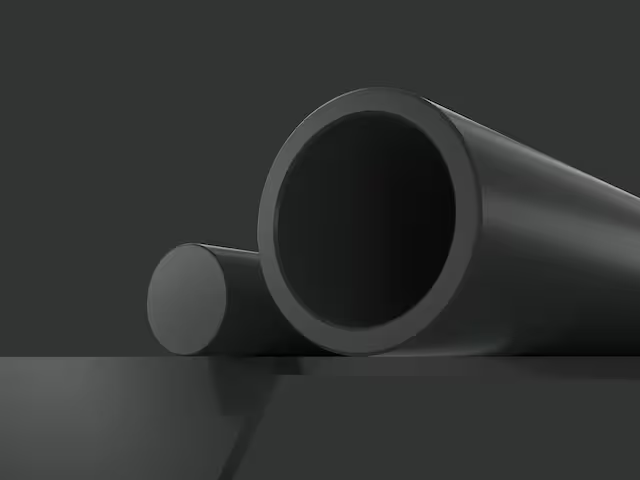
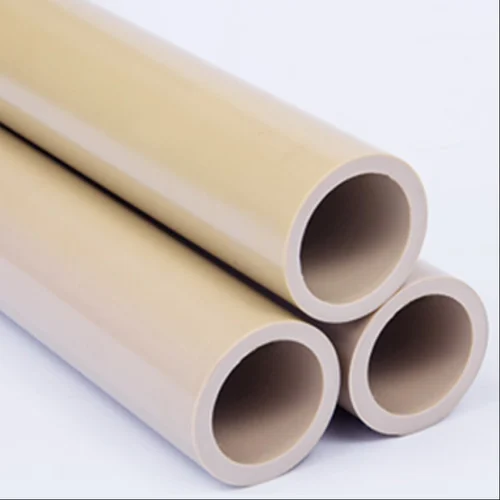
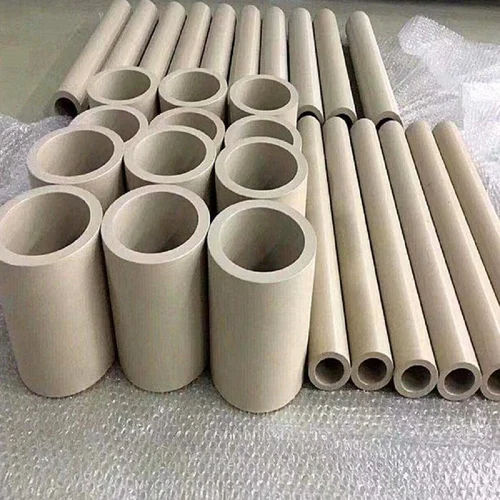
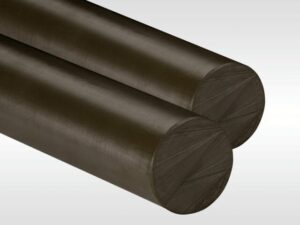
PEEK 1000 grade is a high-performance polyetheretherketone (PEEK) thermoplastic engineered for demanding industrial applications that require exceptional mechanical strength, chemical resistance and thermal stability. Primarily used for precision components, wear parts and structural elements in aerospace, oil & gas, chemical processing and advanced manufacturing, it delivers reliable long-term performance in harsh environments. The key value proposition is sustained mechanical integrity at elevated temperatures (up to continuous use), combined with low moisture uptake and broad chemical compatibility—enabling equipment designs that reduce downtime, extend service life and lower total cost of ownership. Strategically, PEEK 1000 grade supports customers’ moves toward lighter, longer-lasting components and reduces reliance on metals and specialty alloys in mission-critical systems. -
Key Specifications & Technical Characteristics
-
Material: Polyetheretherketone (PEEK), homopolymer.
-
Grade designation: 1000 (standard, injection-molding/extrusion suitable).
-
Typical purity: ≥ 99% polymer content; minimal additives unless specified.
-
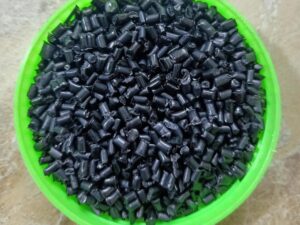
Form: Granules/pellets for melt-processing; alternative forms available on request (powder for SLS/HP systems).
-
Color: Natural (amber); custom color masterbatches available.
-
Melt temperature: Typical processing window 340–380°C (application-dependent).
-
Glass transition temperature: ~143°C.
-
Continuous service temperature: up to ~250°C (dependent on component design and load).
-
Tensile strength: High (typical datasheet values supplied on request).
-
Density: ~1.30 g/cm³ (typical).
-
Moisture absorption: Low (negligible dimensional change vs. many engineering plastics).
-
Particle/ pellet size: Standard industrial pellet dimensions (detailed spec provided per lot).
-
Bulk packaging: 20 kg industrial bags, 500–1000 kg intermediate bulk containers (IBCs)/bulk bags; custom packaging available.
-
Shelf life: Stable under recommended storage (cool, dry, sealed) for 24 months; lot-specific certificates provided.
-
Quality control: Batch traceability, certificate of analysis (COA) with key physical and thermal properties.
-
Core Industrial Applications
-
Aerospace & Defense: Precision, weight-sensitive structural components, bushings, bearings and insulating parts where high strength-to-weight and high-temperature performance reduce fuel use and increase endurance. Outperforms many high-grade thermoplastics by maintaining mechanical properties at elevated temperatures.
-
Oil & Gas & Downstream Processing: Valves, seals, pump components and lining applications operating in corrosive fluids and elevated temperatures; superior chemical resistance and dimensional stability reduce maintenance frequency versus metal or lower-grade polymers.
-
Chemical Processing & Petrochemicals: Static and dynamic components exposed to aggressive chemistries; PEEK 1000 resists solvents, acids and hydrocarbons that degrade alternative polymers.
-
Medical Device Manufacturing (where applicable regulatory qualifications are met): Sterilizable components, long-life housings and mechanical parts benefiting from low moisture uptake and high thermal resistance.
-
Industrial Manufacturing & Automotive: High-wear gears, bushings, rollers and electrical insulation parts where durability and low creep are critical; allows for lighter assemblies and longer maintenance intervals.
Why it performs better: PEEK 1000 combines high modulus and strength with outstanding thermal and chemical resistance, delivering lower wear, reduced dimensional drift, and extended service life compared with Nylon, PPS, and many reinforced plastics—often enabling replacement of metals for weight and corrosion benefits.
-
Competitive Advantages
-
Quality consistency: Tight production controls and COA-backed batch consistency reduce qualification time for OEMs and tier suppliers.
-
Supply reliability: Industrial-scale manufacturing capacity with committed allocations for long-term contracts; configurable lead times to support production planning.
-
Logistics capability: Flexible packaging and containerized bulk options, coordinated export documentation, and global freight partnerships to support time-sensitive deliveries.
-
Price competitiveness: Economies of scale in bulk sourcing (MOQ 20 MT) and optimized packaging lower landed cost per kg versus small-batch specialty suppliers.
-
Sustainability: Long service life reduces replacement frequency and lifecycle environmental impact; recycling streams for clean production scrap available on request.
-
Technical support: Application engineering support, processing guidelines (melt profiles, tooling recommendations), and full technical datasheets to accelerate customer qualification and reduce development cycles.
-
Documentation: Full traceability, COA, MSDS, and supply agreements available to meet procurement, regulatory and compliance requirements.
-
Commercial & Supply Information
-
Minimum order quantity (MOQ): BULK 20 MT.
-
Loading capacity: Typical container loading capacities provided below (subject to packaging chosen and export regulations):
-
20 ft container: approximately 18–20 MT (bagged bulk).
-
40 ft container: approximately 24–26 MT (bagged bulk) or up to 25–27 MT depending on palletization.
-
-
Packaging options: 20 kg bags, 25 kg bags, 500–1000 kg bulk bags (FIBCs/IBC), palletized or loose bulk per customer specification.
-
Lead times: Quoted per contract and order volume; expedited allocations available for recurring customers.
-
Documentation: COA, MSDS, packing list, commercial invoice, and export documentation provided with shipment.
-
Payment & logistics terms: Negotiable; FOB, CIF and DAP terms available per Incoterms on request.
Reviews
There are no reviews yet.