
Description
-
Product Overview
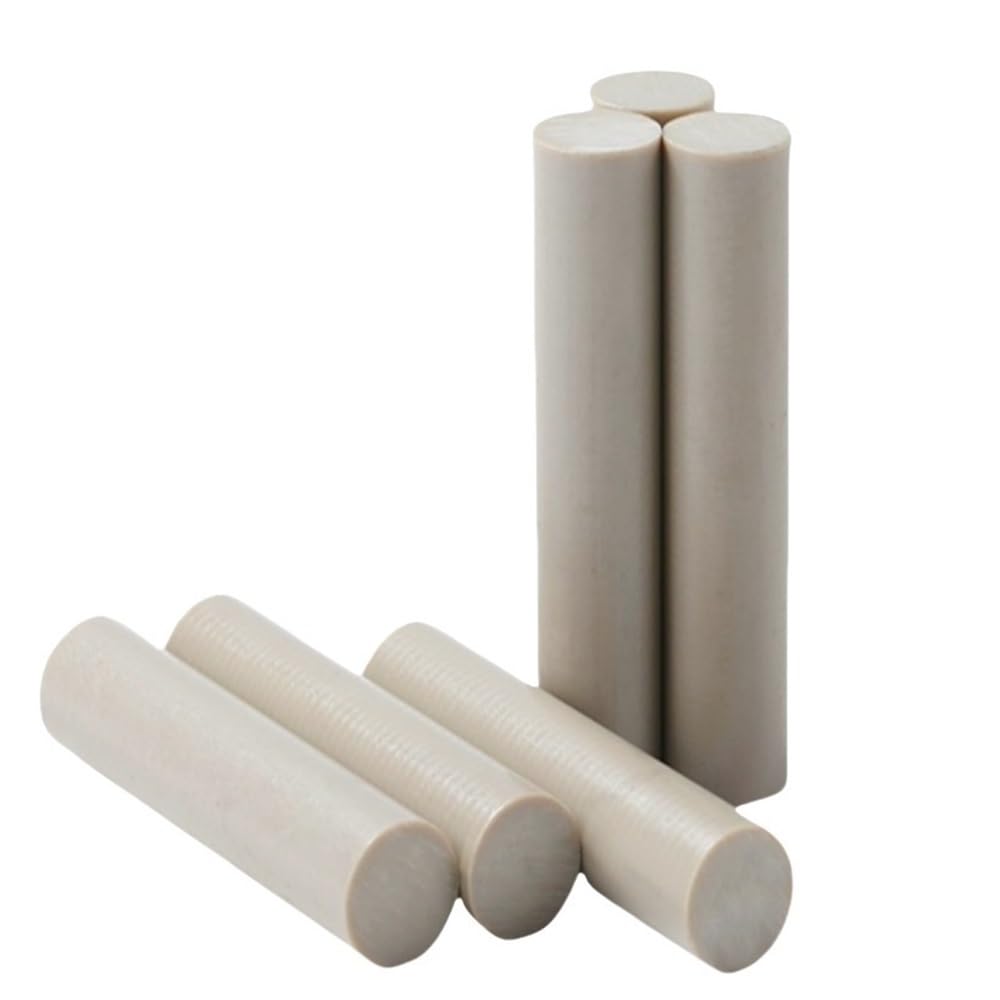
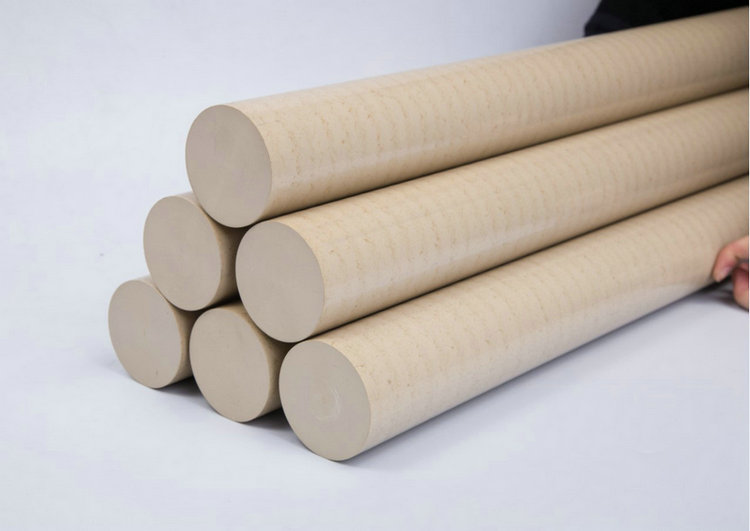
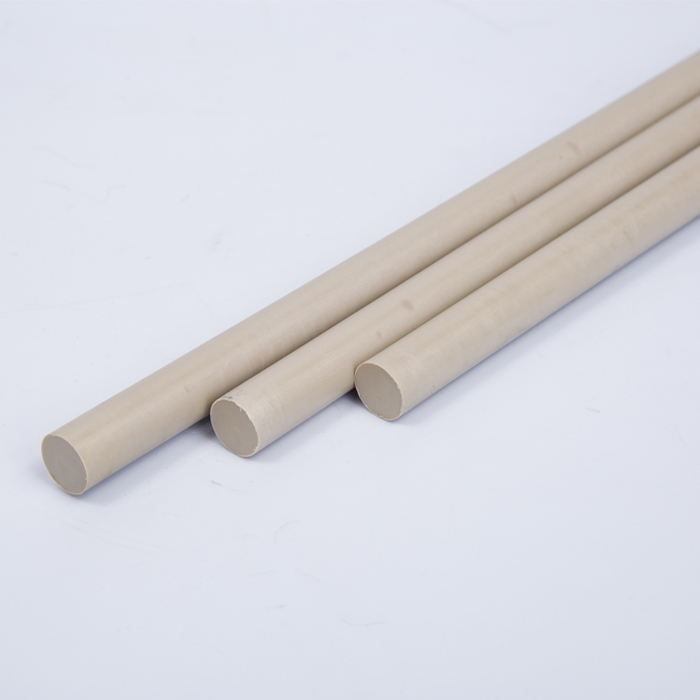
PEEK engineering natural grade is a high-performance semi-crystalline thermoplastic resin (polyether ether ketone) supplied as injection-molding and extrusion-grade pellets for industrial engineering applications. It is used primarily where exceptional mechanical strength, high-temperature stability, and chemical resistance are required—examples include aerospace components, oil & gas downhole parts, medical device housings, and precision industrial bearings. The key value proposition is long-term dimensional stability and performance in extreme environments, enabling longer service life and lower lifecycle costs compared with metals and lower-grade plastics. Strategically, this material supports product differentiation, weight reduction, and reliability improvements for manufacturers seeking to meet stricter performance and regulatory requirements.
-
Key Specifications & Technical Characteristics
-
Material: Polyether ether ketone (PEEK), natural (unfilled) engineering grade
-
Chemical composition: High-purity aromatic polyether ketone backbone (repeat units of ether and ketone linkages)
-
Grade / Purity: Engineering-grade (medical/industrial compatible); typical residual monomer/impurity levels < specified ppm per supplier quality certificate
-
Melt temperature: Typical melting point ~343°C (supplier-specific data available)
-
Glass transition temperature: ~143°C (typical)
-
Thermal service range: Continuous use up to ~260°C, short-term higher temperature tolerance per datasheet
-
Mechanical properties: High tensile strength and flexural modulus; excellent creep resistance at elevated temperature (refer to technical data sheet for numeric values)
-
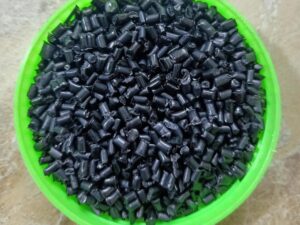
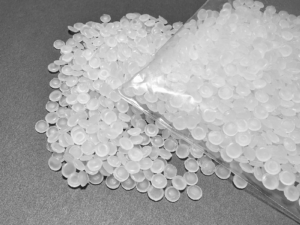
Physical form: Spherical/near-spherical injection/extrusion-grade pellets
-
Color: Natural (off-white to light beige)
-
Bulk density (pellets): Typically 0.9–1.3 g/cm³ depending on batch and moisture content; pack-specific bulk density will be provided on request
-
Particle/ pellet size: Industry-standard pellet dimensions (2–5 mm) suitable for standard feeders and hoppers
-
Moisture sensitivity: Hygroscopic to limited extent; recommended drying prior to processing (typical drying conditions: 150–170°C for 3–6 hours—confirm with supplier TDS)
-
Flammability: Self-extinguishing behavior per polymer class; refer to supplier fire performance data for ratings (UL94, etc.)
-
Packaging options: 25 kg multi-layer polyethylene lined heavy-duty bags on pallets; 500–1000 kg bulk boxes (IBC) available; specialized packaging for moisture control (vacuum-sealed or desiccant-included) upon request
-
Shelf life: Stable under recommended storage (cool, dry, sealed packaging) — typical shelf life 12–24 months; confirm specific lot certificate
-
Certification & documentation: Certificate of Analysis (CoA), Material Safety Data Sheet (MSDS/SDS), Technical Data Sheet (TDS), lot traceability information included with shipment
-
Core Industrial Applications
-
Aerospace & defense: Structural components, insulation parts, and high-temperature connectors where strength-to-weight and long-term thermal stability reduce maintenance and fuel costs. PEEK outperforms many aluminum and stainless steel parts by offering weight reduction and lower corrosion risk.
-
Oil & gas / downhole tools: Packers, seals, valve components and insulators that must resist aggressive chemicals, high pressure, and elevated temperatures; PEEK provides superior chemical resistance and dimensional stability versus common engineering plastics (e.g., PPS, PA66).
-
Medical devices: Sterilizable housings, surgical instrument components, and implantable device supports (when processed under medical-grade controls); PEEK’s biocompatibility and sterilization resistance make it preferred over many alternatives.
-
Automotive & e-mobility: High-temperature under-the-hood components, bearing cages, and lightweight structural parts that enable increased efficiency and reduced emissions via weight savings.
-
Industrial machinery & electronics: Wear-resistant gears, bushings, electrical connectors, and insulators that require long service life and stable dielectric properties under thermal cycling.
Why it performs better than alternatives: PEEK combines higher continuous-use temperatures, superior creep and chemical resistance, and better mechanical retention at temperature than common engineering plastics (PA, POM, PET) and often offers a cost-effective lifecycle advantage over metals when factoring machining, corrosion protection, and weight. This yields lower downtime, fewer replacements, and reduced total cost of ownership.
-
Competitive Advantages
-
Quality consistency: Manufactured under controlled polymerization and pelletizing processes with full lot traceability and CoAs to ensure mechanical and thermal properties meet industrial specifications.
-
Supply reliability: Bulk production capacity with forward scheduling, strategic inventory, and ability to support long-term contracts and repeatable replenishment for OEM supply chains.
-
Logistics capability: Flexible packaging and palletization optimized for international container shipping, plus consolidated loading options and expedited freight arrangements for priority orders.
-
Price competitiveness: Economies of scale on bulk 20 MT orders and volume-tier pricing make PEEK cost-effective for high-volume industrial programs versus small-batch procurement.
-
Sustainability: Long service life reduces replacement frequency; options for optimized packaging to reduce waste; supplier can provide information on production energy efficiency and end-of-life handling upon request.
-
Technical support & documentation: Full technical data sheets, processing guidelines (drying, melt processing windows), application engineering support, and failure-analysis assistance available to accelerate qualification and reduce time-to-production.
-
Commercial & Supply Information
-
Minimum order quantity (MOQ): BULK 20 MT
-
Loading capacity (MT per container):
-
20-foot container: approximately 16–18 MT depending on packaging format and pallet configuration
-
40-foot container: approximately 20–22 MT depending on packaging format and pallet configuration
-
-
Typical lead time: Subject to order size and contract terms; standard bulk lead times provided on inquiry (expedited production possible for contracted repeat buyers)
-
Incoterms & payment: Standard Incoterms available (FOB, CIF, DDP on request); payment terms negotiable for established customers and long-term agreements
-
Documentation with shipment: Commercial invoice, packing list, CoA, SDS, TDS, and shipping manifest included
Reviews
There are no reviews yet.