
Description
-
Product Overview
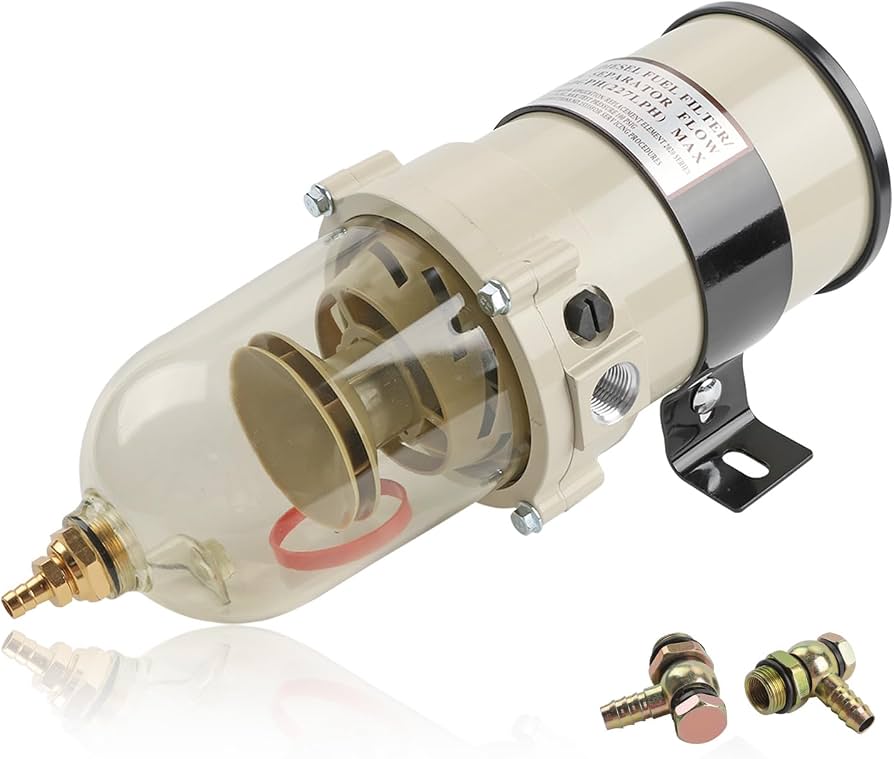
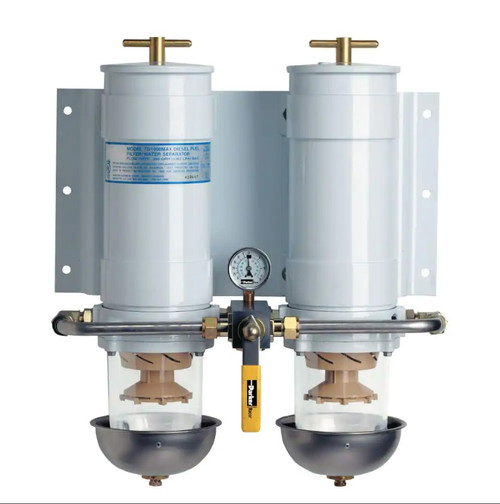
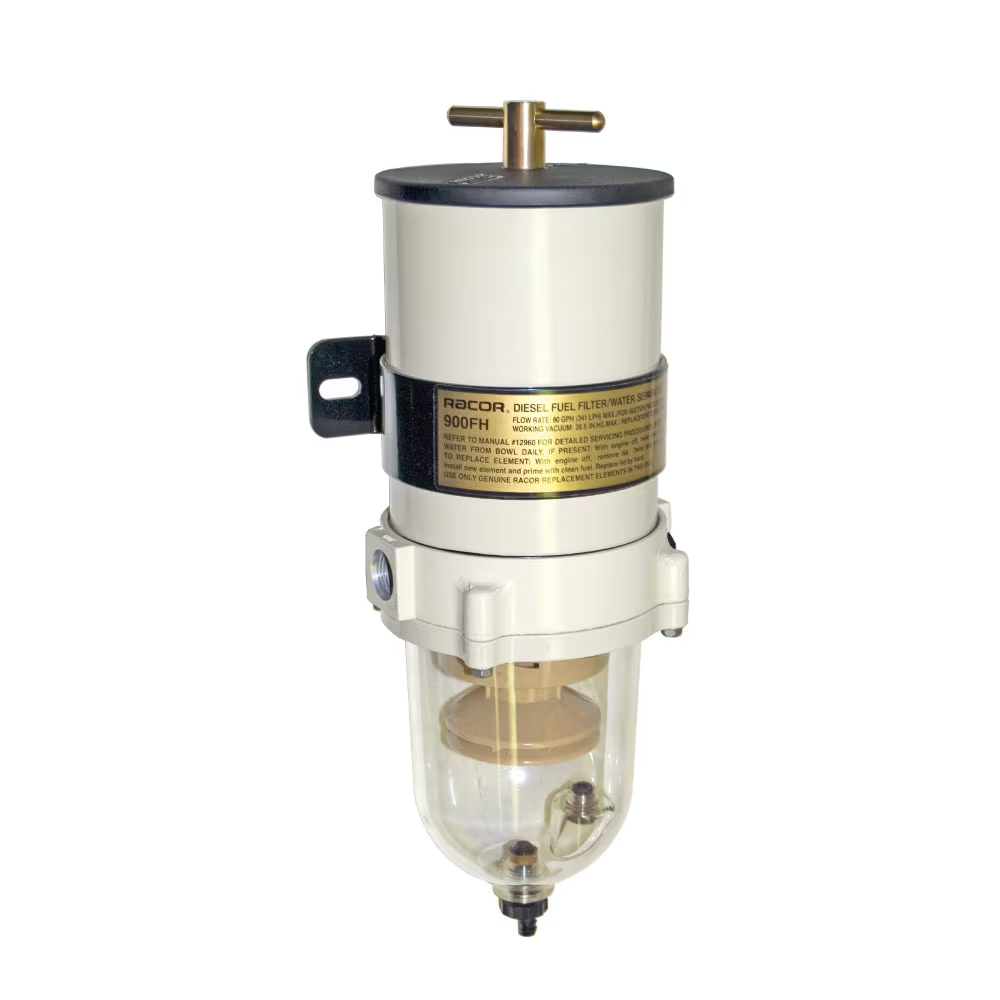
The Fuel Filter Water Separator 900 Series is a rugged, industrial-grade filtration module engineered to remove free water and particulate contamination from diesel, biodiesel blends, and other middle-distillate fuels in heavy-duty fuel systems. Designed for primary use in transportation fleets, construction and mining equipment, power generation, and stationary engines, it delivers reliable fuel cleanliness to protect injectors and pumps, reduce downtime, and extend engine life. Its key value proposition is high-efficiency separation and filtration combined with modular serviceability, enabling predictable maintenance intervals and lower total cost of ownership. Strategically, the 900 Series addresses rising fuel-quality variability worldwide and tight engine-tolerance requirements, making it a critical component in modern fleet and industrial fuel-supply chains.
-
Key Specifications & Technical Characteristics
-
Filter type: Dual-stage water separator with coalescing pre-stage and particulate filtration stage.
-
Materials of construction: Bowl — impact-resistant polycarbonate or aluminum (customer option); housing and brackets — corrosion-resistant steel with anti-corrosion coating; internal media — blended cellulose and synthetic microglass fibers; seals — nitrile (NBR) or Viton (FKM) on request.
-
Filtration ratings: Particulate removal to 2–10 µm nominal (model/config dependent); water separation efficiency > 95% for free water at rated flow.
-
Flow capacity: Typical continuous flow range 50–900 LPH (models within 900 Series rated across this band); peak flow and model-specific curves supplied on request.
-
Operating pressure: Recommended 0.5–3.5 bar (7–50 psi) typical; maximum working pressure per housing spec.
-
Temperature range: -40 °C to +120 °C operational (material-dependent limits apply).
-
Compatibility: Designed for diesel, ultra-low sulfur diesel (ULSD), biodiesel blends up to B20, kerosene, and similar hydrocarbon fuels; not for gasoline or highly polar solvents unless specified.
-
Physical characteristics: Bowl volumes and overall dimensions vary by model; transparent bowl option for visual water detection; weight ranges from 1.2 kg to 6.5 kg depending on configuration.
-
Particle holding capacity: Typical dirt-holding capacity 50–400 g depending on media and model.
-
Drain and sensor options: Manual drain plug standard; automatic drain and water-in-fuel sensor interfaces available as factory or field-fitted options.
-
Certifications & standards: Manufactured to meet industry standards for fuel system filters and separators; material and performance datasheets available on request.
-
Packaging options: Individual cardboard cartons with protective inserts, palletized bulk packs (pallet size and layer count per buyer specification), export-grade wooden crates for container shipment.
-
Shelf life and storage: Filter media and seals stable for 24 months when stored in original packaging at 5–25 °C, protected from UV and excessive humidity.
-
Documentation: Includes technical datasheet, installation guide, maintenance schedule, and service parts list.
-
Core Industrial Applications
-
Primary industries: Commercial road transport and logistics fleets, construction & mining equipment, marine auxiliary engines, stationary power generation (gensets), agricultural machinery, and industrial backup systems.
-
Specific operational use cases: Inline pre-filtration upstream of high-pressure fuel pumps and injectors, fuel polishing and storage tank dispensing points, cold-start systems in high-latitude operations, and remote asset installations where predictable maintenance reduces site visits.
-
Why it performs better: The coalescing pre-stage rapidly separates bulk water before the particulate stage, reducing clogging and enabling longer service intervals; microglass-enhanced media captures sub-10 µm particulates that damage modern high-pressure common-rail systems; optional automatic drains and sensors reduce manual intervention and prevent fuel-system corrosion.
-
Efficiency, durability, cost advantages: Higher water-capture efficiency reduces fuel-system failures and unscheduled downtime; durable construction and modular replaceable elements lower lifecycle cost compared with single-use or lower-grade units; transparent or sensor-equipped bowls improve inspection speed, reducing labor cost for routine checks.
-
Competitive Advantages
-
Quality consistency: Factory-controlled media production and in-line testing ensure consistent dirt-holding and water-separation performance across batches.
-
Supply reliability: Manufactured with regional production partners and strategic inventory buffers to support global replenishment and minimize lead times.
-
Logistics capability: Packaged for containerized shipping, with available FOB, CIF, or DAP logistics options; palletization and container-loading planning provided to maximize fill rates and reduce landed cost.
-
Price competitiveness: Multiple material and option tiers (standard, heavy-duty, sensor-equipped) enable value-based sourcing while maintaining predictable unit economics for bulk procurement.
-
Sustainability benefits: Longer service life and improved fuel cleanliness reduce fuel consumption inefficiencies and emissions associated with incomplete combustion; recyclable aluminum housings and reduced waste compared with disposable-filter alternatives (subject to local recycling infrastructure).
-
Technical support and documentation: Comprehensive installation manuals, maintenance schedules, troubleshooting guides, and spare-parts lists provided; OEM compatibility charts and engine-maker cross-reference available; technical support and field-engineer consultation offered for fleet rollouts.
-
Commercial & Supply Information
-
Minimum order quantity (MOQ): BULK 20MT.
-
Loading capacity (MT per container): Typical 20-foot container net loading up to 22–24 MT (dependent on final packaging and unit configuration), 40-foot container up to 26–28 MT; exact loading figures confirmed at order placement based on selected packaging and palletization.
-
Lead times: Standard production lead time and delivery estimates provided on inquiry; expedited production and airfreight options available for critical orders.
-
Packaging and labeling: Buyer-specific labeling and barcode/QR tagging available for inventory integration; export-compliant documentation (COO, commercial invoice, packing list) provided.
-
After-sales: Spare-element kits and service contracts available; recommended stock levels for operational continuity provided per fleet size on request.

Reviews
There are no reviews yet.