

Description
-
Product Overview
Corn Syrup Solids is a refined carbohydrate ingredient produced by enzymatic hydrolysis and spray-drying of corn-derived glucose syrups to a stable, free-flowing powder. Primarily used as a bulk sweetener, humectant, bulking agent and functional excipient across food ingredient supply chains, it delivers predictable sweetness, controlled hygroscopicity and reliable solubility for large-scale industrial formulations. The product’s core value is its blend of cost-efficiency, processing stability and consistent technical performance, making it a strategic ingredient for manufacturers seeking to standardize product quality, lower formulation cost, and optimize production throughput. For global B2B buyers, Corn Syrup Solids represents a high-impact sourcing decision that supports scale, formulation reproducibility and regulatory compliance in demanding manufacturing environments. -
Key Specifications & Technical Characteristics
-
Chemical composition: Predominantly dextrose-equivalent (DE) controlled glucose polymers derived from corn starch hydrolysis; typical constituents include maltose, maltotriose and higher oligosaccharides.
-
Typical DE range: 18–42 (specify exact grade on purchase).
-
Purity/grade: Food-grade / industrial-grade available; gluten-free; GMO status specified per lot.
-
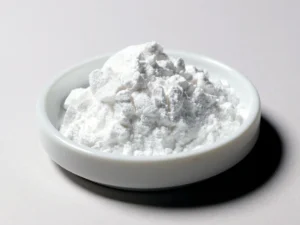
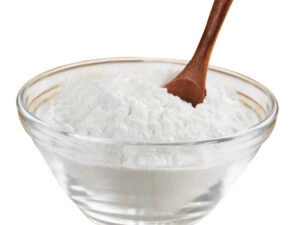
Physical form: Free-flowing powder; non-caking with anti-caking options available.
-
Color: Off-white to light beige.
-
Particle size: Median particle size typically 100–300 µm (grade-dependent).
-
Bulk density: 0.50–0.70 g/cm³ (tamped and untamped values available on spec sheet).
-
Moisture content: Typically ≤ 3–6% (grade-dependent).
-
Solubility: Rapidly soluble in hot and warm water; good dispersibility in many aqueous systems.
-
Hygroscopicity: Moderate; formulation guidance provided to manage moisture uptake.
-
pH (10% solution): ~4.5–6.5 (depends on grade).
-
Microbiological standards: Total plate count, absence of Salmonella, E. coli limits per regulatory spec (certified per lot).
-
Packaging options: 25 kg multi-wall kraft bags with PE liner, 500 kg FIBC bulk bags, 20 MT sealed bulk container loads, or customized packaging on request.
-
Shelf life: 12–24 months under recommended storage (cool, dry conditions, <65% RH); lot-specific certificate provided.
-
Certification support: Certificates of Analysis (CoA), Certificate of Origin, allergen statements, HACCP/FSMS documentation; additional certifications (ISO, Kosher, Halal) available on request.
-
Core Industrial Applications
-
Food & Beverage manufacturing: Used as a cost-efficient sweetener, bulking agent and texture modifier in confectionery, baked goods, beverages, dairy analogues and snack coatings; reduces crystallization risk compared to sucrose in low- to medium-sweet formulations.
-
Bakery & Confectionery: Controls moisture migration, extends shelf life, improves mouthfeel and reduces formula cost versus pure sugars.
-
Beverage powders & instant mixes: Enhances solubility and mouthfeel while enabling stable powder flow and reconstitution characteristics.
-
Nutraceuticals & Supplements: Acts as a carrier and bulking matrix for powders and tablets, supporting homogeneity and compressibility.
-
Industrial fermentation & biochemical processes: Serves as a fermentable carbohydrate feedstock where predictable DE and low impurities are required.
-
Personal care & pharmaceuticals (excipients): Functions as a humectant and stabilizer in topical formulations and certain oral dosage forms where regulatory-grade materials are supplied.
Why it outperforms alternatives: -
Cost-efficiency: Lower cost per functional sweetening unit versus pure sugars in many large-scale formulations.
-
Processing stability: Reduced sugar crystallization and predictable hygroscopic behavior improve throughput and reduce waste.
-
Formulation flexibility: Adjustable DE grades allow tuning sweetness, browning potential and fermentability to specific process needs.
-
Competitive Advantages
-
Quality consistency: Tight lot-to-lot control with full Certificates of Analysis for critical parameters (DE, moisture, microbial limits, bulk density).
-
Supply reliability: Structured supply chain with secured corn feedstock sourcing and scalable production capacity to support large recurring orders.
-
Logistics capability: Bulk packaging and container loading optimized for FOB/CIF shipments; consolidation and export documentation handled by supplier to minimize lead-time variability.
-
Price competitiveness: Economies of scale in production and efficient processing deliver favorable unit economics for B2B customers.
-
Sustainability: Traceability programs and opportunities for sustainably sourced corn (upon request), plus lower transport weight/volume versus liquid syrups when shipped as solids.
-
Technical support: Dedicated technical datasheets, application notes, formulation support and on-request lab validation data to accelerate product integration and regulatory acceptance.
-
Commercial & Supply Information
-
Minimum order quantity (MOQ): BULK 20MT.
-
Loading capacity (per container): Typical 20-foot container capacity: up to 20 MT (loose-bulk in FIBCs) depending on packaging configuration; 40-foot container capacity: up to 24–25 MT with optimized palletization for 25 kg bags or up to 22–24 MT in FIBCs (confirm per shipment).
-
Standard lead times: Quoted per order and customer location; expedited production available for contracted volumes.
-
Terms & documentation: Price, Incoterms, payment terms, CoA, packing list, and export documentation provided with each shipment.
-
Contact for procurement: Commercial and technical teams available to provide specification sheets, pricing by grade and volume discounts, plus sample provision for qualification.


Reviews
There are no reviews yet.