
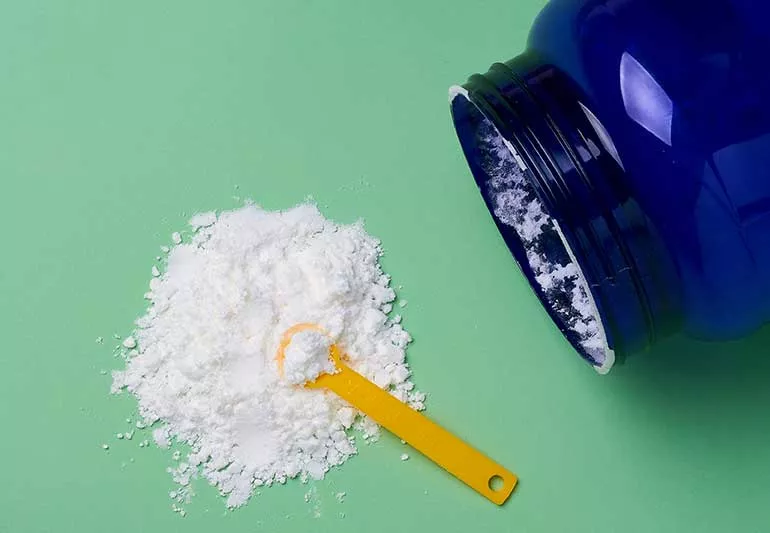
Description
Product Overview
Taurine is a high-purity organic sulfonic acid derivative used widely as a functional additive across chemical, pharmaceutical, feed, and specialty materials supply chains. It serves as a stabilizer, osmolyte, and process intermediate—imparting corrosion inhibition, formulation stability, and biological modulation where required. Our taurine offering combines consistent analytical quality with industrial-scale supply reliability to minimize process variability and reduce total cost of ownership. This makes it strategically important for manufacturers seeking regulatory-compliant, high-performance inputs that scale from pilot to continuous production.
Key Specifications & Technical Characteristics
-
Chemical name: 2-aminoethanesulfonic acid (taurine).
-
Chemical formula: C2H7NO3S.
-
Purity/grade: Industrial/technical grade; typical assay ≥ 99.0% (HPLC), other grades available on request.
-
Impurities: Specified limits for moisture, residual solvents, heavy metals (Pb, Cd, Hg, As) per supplier certificate.
-
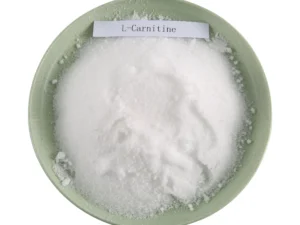
Physical form: White to off-white crystalline powder.
-
Particle size: D50 typically 50–200 µm (custom milling available).
-
Bulk density: Approx. 400–700 kg/m3 (packed), tunable via packaging and densification.
-
Solubility: Highly soluble in water; limited solubility in common organic solvents.
-
pH (1% aqueous solution): ~4.5–6.5.
-
Melting point/decomposition: Decomposes at elevated temperatures (refer to SDS).
-
Packaging options: 25 kg multi-wall kraft bags with inner PE liner, 500 kg and 1,000 kg FIBCs (bulk bags), 20 MT BULK for direct loading; palletized or drummed packing available on request.
-
Shelf life: 24 months when stored in a cool, dry, well-ventilated area away from strong oxidizers; subject to certificate of analysis (CoA) validation.
-
Documentation: Full CoA, SDS, product specifications, and traceability documentation provided with each shipment.
Core Industrial Applications
-
Feed additives: Used as a conditional amino acid and bile acid conjugator in aquaculture and pet feed formulations to improve growth rates and nutrient uptake; preferred for high solubility and consistent assay versus lower-grade substitutes.
-
Pharmaceuticals & nutraceuticals: Intermediate and excipient in formulation of products requiring osmoprotective or stabilizing agents; suitable where high purity and traceability are required for regulatory compliance.
-
Chemical intermediates and specialty chemicals: Building block for sulfonation chemistry, polymer additives, and stabilizers; predictable reactivity and low residual impurity profile reduce downstream purification costs.
-
Electroplating and corrosion control: Functions as a buffering/stabilizing agent in metal finishing baths to improve deposit quality and process stability compared with generic amines.
-
Personal care & cosmetics: Humectant and stabilizer in formulations requiring mild, non-irritating amino-sulfonates; offers formulation robustness and compatibility with a broad pH range.
Why this product performs better than alternatives: -
High assay and controlled impurity profile reduce batch-to-batch variation and lower rework or filtration costs.
-
Optimized particle size distribution and packing options improve handling and dissolution rates, enabling more efficient process integration.
-
Industrial-grade sourcing supports scale-up without sudden grade transitions that can disrupt operations.
Competitive Advantages
-
Quality consistency: Routine analytical verification (HPLC, ICP) and lot-to-lot traceability reduce supplier risk.
-
Supply reliability: Manufacturing-scale production with secured feedstock contracts and multi-facility sourcing options to mitigate single-site disruption.
-
Logistics capability: Flexible packaging (25 kg bags to 20 MT BULK) and regional distribution partners enable efficient container utilization and competitive freight rates.
-
Price competitiveness: Volume-based pricing and long-term supply agreements available for large industrial buyers, lowering unit cost through economies of scale.
-
Sustainability: Options for lower-carbon logistics and waste-minimizing packaging; supplier can provide material origin and energy-use disclosures on request.
-
Technical support: Dedicated technical datasheets, application notes, and on-demand formulation support from experienced chemists; custom milling and grading available for process-specific needs.
Commercial & Supply Information
-
Minimum order quantity (MOQ): BULK 20MT.
-
Loading capacity: Standard 20-foot container up to 20 MT BULK (subject to local port and packing regulations); 40-foot container configurations and palletized options available per route.
Reviews
There are no reviews yet.