
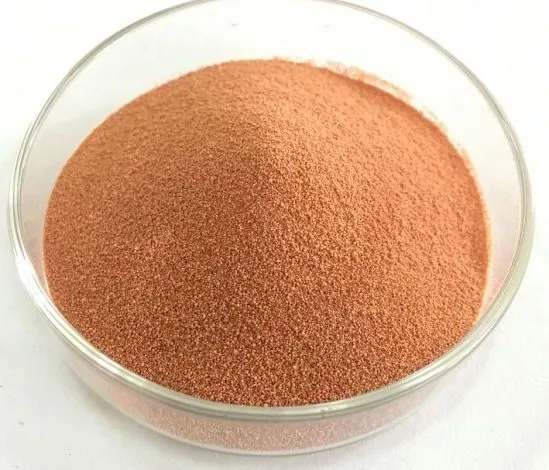
Description
-
Product Overview
Selenium Yeast is a biologically incorporated selenium supplement produced by cultivating Saccharomyces cerevisiae in a controlled selenium-enriched medium to yield organically bound selenium (primarily selenomethionine) within yeast biomass. It is used across industrial nutrition, feed, and specialty chemical formulations to deliver bioavailable selenium for animal health, nutritional fortification, and micro-ingredient manufacturing. The key value proposition is reliable, bioavailable selenium in a stable, easy-to-handle powder that reduces dosing variability compared with inorganic salts and increases retention in biological systems. Strategically, Selenium Yeast enables formulators and large-scale feed manufacturers to meet regulatory nutritional targets, improve product performance, and differentiate via trace-nutrient quality and supply security. -
Key Specifications & Technical Characteristics
-
Chemical composition: Organically bound selenium within Saccharomyces cerevisiae biomass (predominant species: selenomethionine), residual yeast protein, trace minerals.
-
Selenium content (typical): 1,000–2,000 mg Se/kg (specify grade on inquiry); custom grades available.
-
Purity/grade: Feed-grade / Nutritional-grade; USP/food safety-compliant manufacturing upon request.
-
Physical form: Dry powder, free-flowing granulate.
-
Color: Light tan to beige (natural yeast coloration).
-
Particle size: Typical D50 50–200 µm (custom milling available).
-
Bulk density: 400–600 kg/m³ (packed density varies by packing).
-
Moisture content: ≤8% (typical; specification adjustable).
-
Microbiological limits: Total plate count, yeast/mold, Salmonella, E. coli limits per feed/food safety standards (documented COA).
-
Heavy metals: Pb, As, Cd, Hg within regulated limits; certificates provided.
-
Packaging options: 25 kg multi-wall paper bags with inner polyethylene liner; 500 kg FIBCs (big bags); bulk tanker (pelleted/slug form on request).
-
Shelf life: 12–24 months under cool, dry storage (recommended ≤25°C, <65% RH); COA and retest interval supplied.
-
Traceability: Batch numbering, manufacturing date, full COA and SDS provided with each shipment.
-
Core Industrial Applications
-
Animal feed & aquaculture: Fortification of compound feeds, premixes, and medicated feeds to improve livestock health, reproductive performance, antioxidant response, and meat/egg quality. Selenium Yeast delivers higher tissue retention than sodium selenite, reducing inclusion rates and improving feed conversion.
-
Human nutraceuticals & food fortification: Ingredient for dietary supplements and fortified foods requiring bioavailable selenium where organic form and consumer perception matter.
-
Pharmaceutical intermediates & specialty chemicals: Source of organically bound selenium for synthesis of selenium-containing intermediates where controlled selenium incorporation is required.
-
Industrial catalysts & coatings (specialty use): Use in formulations that exploit selenium’s unique chemical properties when organically delivered improves dispersion and stability.
Why it outperforms alternatives: -
Higher bioavailability: Organically bound selenium (selenometionine) is more readily assimilated than inorganic salts, resulting in measurable efficacy at lower delivered selenium.
-
Lower oxidative interaction: Less reactivity in complex formulations compared with sodium selenite, improving product stability.
-
Handling and dosing: Free-flowing powder with consistent particle size reduces segregation and dosing variance in automated feed blending.
-
Competitive Advantages
-
Quality consistency: GMP-aligned production with routine batch testing and full Certificates of Analysis to ensure tight selenium content tolerances and low impurity profiles.
-
Supply reliability: Scalable fermentation capacity and forward-stock programs to support continuous supply for large feed mills and manufacturers.
-
Logistics capability: Flexible packaging (25 kg to 20 MT bulk), coordinated export documentation, and experience with containerized and project freight for global distribution.
-
Price competitiveness: Economies of scale for bulk purchasers and contract pricing for multi-month or annual offtake agreements.
-
Sustainability: Fermentation-based production with potential for lower lifecycle emissions versus chemical synthesis routes; supplier transparency on waste management and resource use available.
-
Technical support: Application guidance (inclusion rates, premix design), analytical assistance, stability testing, and regulatory dossiers (SDS, COA, specification sheets) provided to support registration and formulation.
-
Commercial & Supply Information
-
Minimum order quantity (MOQ): BULK 20 MT.
-
Loading capacity (MT per container): 20-foot container: up to 20 MT (bagged); 40-foot high-cube container: up to 24–26 MT (bagged) depending on packing configuration and bulk density. For FIBC or palletized 25 kg bags, typical loading is 20 MT per 20-foot or 24–26 MT per 40-foot HC—final loading confirmed at booking.
-
Typical lead time: 4–8 weeks for bulk orders (subject to confirmation).
-
Documentation: Certificate of Analysis, Safety Data Sheet, origin declaration, and transport documentation provided with shipment.
Reviews
There are no reviews yet.