
Description
-
Product Overview
Sorbic Acid (E200) — a high-purity, industrial-grade preservative and antimicrobial agent widely used across food, beverage, feed, and industrial formulations. It inhibits yeasts, molds, and some bacteria, enabling longer shelf life and safer products while reducing reliance on refrigeration and costly reformulation. Offered for bulk B2B supply with rigorous quality controls, this product delivers predictable performance, regulatory compliance, and cost-efficient preservation at scale. As a strategic input, Sorbic Acid helps manufacturers meet food-safety standards, extend product distribution reach, and lower waste and recall risk. -
Key Specifications & Technical Characteristics
-
Chemical composition: 2,4-hexadienoic acid (Sorbic Acid), C6H8O2.
-
Purity/grade: Industrial/Food-contact grade, typical assay ≥ 99.5% (GC).
-
CAS number: 110-44-1 (for reference).
-
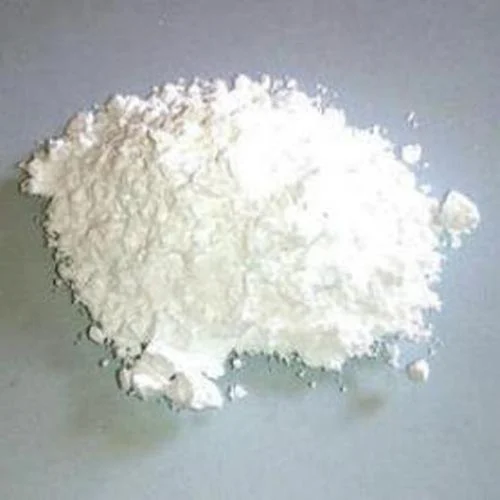
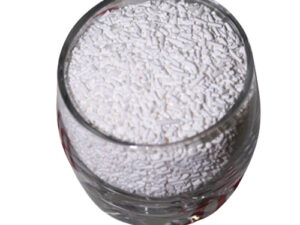
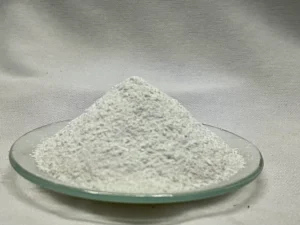
Physical form: White to off-white crystalline powder.
-
Particle size: Typical D50 150–300 µm (custom milling available on request).
-
Melting point: 135–138°C (typical).
-
Bulk density: 400–650 kg/m3 (depending on packing and particle size).
-
Solubility: Slightly soluble in water; readily soluble in ethanol and propylene glycol (use in formulations per spec).
-
Moisture content: ≤ 0.5% (controlled).
-
Residual solvents/heavy metals: Compliant with major regulatory thresholds; specification sheets provided per lot.
-
Microbial limits: Meets industry limits for industrial/food-use grades; certificate of analysis supplied.
-
Packaging options: 25 kg kraft-paper bags with inner polyethylene liner; 500 kg / 1,000 kg FIBC (big bags); ISO tank or bulk pneumatic truck for large volumes (subject to order).
-
Shelf life: 24 months when stored in a cool, dry place, in unopened original packaging; store away from heat and direct sunlight.
-
Storage conditions: Recommended 5–25°C, relative humidity <65%.
-
Core Industrial Applications
-
Food & Beverage: Preservative for bakery, cheese, sauces, beverages, and ready-to-eat foods to prevent mold and yeast growth while maintaining sensory profile. Ideal where sorbate labeling (E200) is required.
-
Feed & Animal Nutrition: Mold and fungal control in compound feeds and premixes to protect nutritional value during storage and transport.
-
Cosmetics & Personal Care: Preservative in creams, lotions, and water-containing formulations where broad-spectrum antifungal activity is required with low irritation risk.
-
Pharmaceuticals & Nutraceuticals: Antimicrobial excipient for certain formulations, subject to pharmacopeial compliance.
-
Industrial Formulations: Protective agent in adhesives, coatings, and polymer additives where microbial stability extends product life and performance.
Why it outperforms alternatives: -
Broader antifungal spectrum at effective concentrations compared with many organic acids.
-
Lower sensory and flavor impact versus stronger acids (e.g., benzoates in some matrices).
-
Cost-effective dose-response profile delivers preservation with predictable dosing and minimal reformulation.
-
Compatibility with common formulation solvents and carriers improves process integration.
-
Competitive Advantages
-
Quality consistency: Batch-to-batch assay and impurity monitoring with Certificates of Analysis for each shipment.
-
Supply reliability: Multiple production sources and safety-stock inventory to minimize disruption for large-scale manufacturers.
-
Logistics capability: Bulk packaging, FIBC, and ISO-tank options plus coordination for multimodal shipment (sea/road/rail) to industrial ports and inland facilities.
-
Price competitiveness: Tiered pricing by volume with contract rates available for annual commitments; cost per effective dose typically lower than many alternatives.
-
Sustainability: Manufactured under energy-efficient processes with options for lower-carbon logistics; packaging optimized for reuse/return where feasible.
-
Technical support: Product specification sheets, handling & safety data sheets (SDS), regulatory compliance documentation, and formulation guidance from technical sales specialists.
Positioning: Treated as a strategic, cost-and-performance balanced preservative for demanding industrial users who require documented quality and dependable logistics.
-
Commercial & Supply Information
-
Minimum order quantity (MOQ): BULK 20 MT.
-
Standard loading capacity: 20 MT per 20-foot container (FIBC/bulk bag configuration), up to 24 MT per 20-foot container depending on packing density and transport mode; 25–26 MT per 20’ reefer/iso-tank arrangements may vary by local constraints.
-
Lead times: Available on request — typical lead time 2–6 weeks depending on order size and destination; expedited fulfilment options for contracted customers.
-
Documentation: COA, SDS, packing list, commercial invoice, and any required regulatory declarations supplied per shipment.


Reviews
There are no reviews yet.