
Description
-
Product Overview
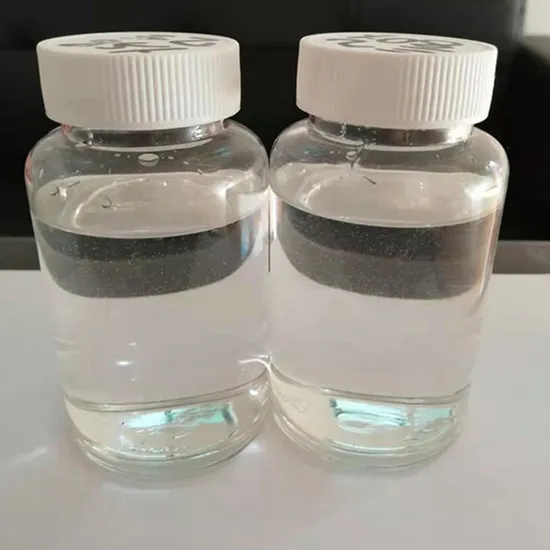
Sodium Lactate (E325) is the sodium salt of lactic acid supplied as a high‑purity, industrial‑grade aqueous solution or solid (as specified). It serves as a multifunctional ingredient across food processing, personal care, pharmaceutical intermediates, metal treatment, and chemical manufacturing. Its primary value lies in offering pH control, buffering capacity, humectancy, corrosion inhibition, and biodegradability in one cost‑effective material. Strategically, Sodium Lactate enables formulators and process engineers to replace less sustainable additives, improve product stability, and simplify supply chains through a single, multi‑purpose raw material.
-
Key Specifications & Technical Characteristics
-
Chemical name: Sodium lactate (sodium salt of lactic acid), CAS: 72-17-3.
-
Chemical formula: C3H5NaO3.
-
Available grades: Food grade, Technical/Industrial grade, Cosmetic/Pharma grade.
-
Purity: Typical assay 60–95% (solution grades) or ≥98% (solid, anhydrous) depending on grade; certificate of analysis provided per batch.
-
Physical form:
-
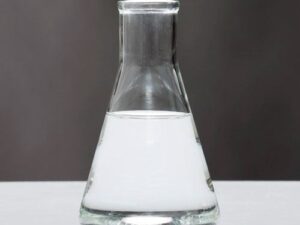
Solution grades: clear to slightly opalescent viscous aqueous solution; typical concentration 60% w/w.
-
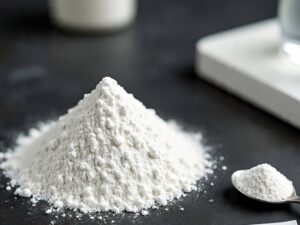
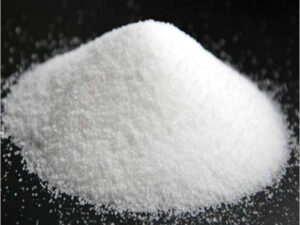
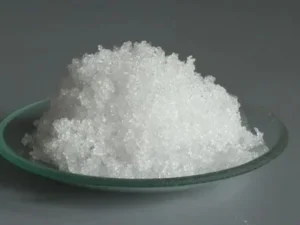
Solid grades: white crystalline powder (when offered).
-
-
Color: Colorless to pale yellow (solution) or white (solid).
-
Odor: Mild characteristic odor; low volatility.
-
Density (solution 60% w/w): approx. 1.25–1.30 g/cm3 at 20°C (confirm per CoA).
-
pH (1% solution): typically 6.0–8.0 depending on concentration and grade.
-
Solubility: Fully miscible with water; limited solubility in organic solvents.
-
Shelf life: 12–24 months recommended for sealed containers under proper storage; shelf life varies by grade and packaging — refer to product data sheet.
-
Storage conditions: Store in cool, dry, well‑ventilated area; protect from freezing and direct sunlight.
-
Packaging options:
-
Bulk ISO tankers (liquid grades), IBC totes (1,000 L), 200 L steel drums, and 25 kg multi‑wall bags for solid form.
-
Custom packaging and private‑label options available on request.
-
-
Documentation: Full CoA, MSDS/SDS, HACCP/FSMA support for food grades, and regulatory declarations (REACH, IFRA guidance for cosmetic grades) available.
-
Core Industrial Applications
-
Food & Beverage: Used as a preservative, humectant, flavor enhancer, and buffering agent in meat processing, bakery, dairy, and beverage formulations. Enhances shelf life and microbial stability while maintaining taste and texture.
-
Personal Care & Cosmetics: Functions as humectant, pH regulator, and mild preservative booster in lotions, creams, shampoos, and deodorants; compatible with a wide range of surfactants and actives.
-
Pharmaceutical & Nutraceuticals: Employed as a buffering agent and excipient component; supports formulation stability and bioavailability in oral and topical products.
-
Metal Treatment & Corrosion Inhibition: Used in metalworking fluids and corrosion inhibitors where lactate anion forms protective complexes with metal surfaces, reducing oxidation and extending component lifetime.
-
Chemical Intermediates & Bioprocessing: Serves as a feedstock or buffer in biochemical production processes and as a green alternative to petroleum‑derived additives.
Why it outperforms alternatives: Sodium Lactate combines buffering, humectancy, and mild antimicrobial support in one molecule, allowing formulators to reduce total additive counts, lower formulation costs, and improve sustainability metrics versus using multiple single‑function chemicals. Its biodegradability and low toxicity broaden acceptable end‑use markets and regulatory compliance.
-
Competitive Advantages
-
Quality consistency: Batch traceability with laboratory testing and certified CoA ensures consistent physicochemical performance for industrial scaling.
-
Supply reliability: Multiple production sources and strategic inventory hubs minimize lead times and reduce single‑source risk.
-
Logistics capability: Available in IBCs, drums, and bulk ISO tanker loads for efficient containerization and onshore handling; tailored loading plans for 20 MT+ orders.
-
Price competitiveness: Economies of scale on bulk procurement combined with flexible contract terms for recurrent purchasing reduce landed cost per ton.
-
Sustainability: Biodegradable, derived from renewable feedstocks (when sourced from fermentation), and reduces dependency on petrochemical alternatives; supports green procurement targets.
-
Technical support: Dedicated technical datasheets, regulatory dossiers, formulation support, and troubleshooting from application specialists; on‑demand lab sampling and pilot‑scale trials available.
-
Commercial & Supply Information
-
Minimum order quantity (MOQ): BULK 20MT.
-
Typical loading capacity:
-
20 ft container (liquid in ISO tank or IBCs): up to 20 MT depending on packaging configuration and density.
-
20 ft container (solid bags): up to ~20 MT (subject to palletization and bag weight).
-
-
Lead times: Standard lead time subject to stock and contract terms; expedited shipments available for contracted customers.
-
Incoterms: FOB, CIF, DAP available; custom agreements negotiable.
-
Payment & contracting: Flexible credit terms for qualified buyers; contract manufacturing and long‑term supply agreements available.
Reviews
There are no reviews yet.