
Description
-
Product Overview
Tartaric Acid (E334) is a crystalline organic acid widely used in industrial chemistry, food processing, and pharmaceuticals as a chelating agent, pH regulator, and acidity controller. Its primary industrial use is to stabilize formulations, control acidity in large-scale food and beverage production, and act as an intermediate/acidulant in chemical manufacturing. The key value proposition is consistent, high-purity performance that improves process control, product stability, and regulatory compliance across manufacturing lines. Strategically, sourcing reliable Tartaric Acid reduces batch variability, shortens QA cycles, and mitigates supply-chain risk for manufacturers that require predictable acidulant characteristics at scale. -
Key Specifications & Technical Characteristics
-
Chemical name: L-(+)-Tartaric Acid (E334), IUPAC: 2,3-dihydroxybutanedioic acid.
-
Chemical formula: C4H6O6.
-
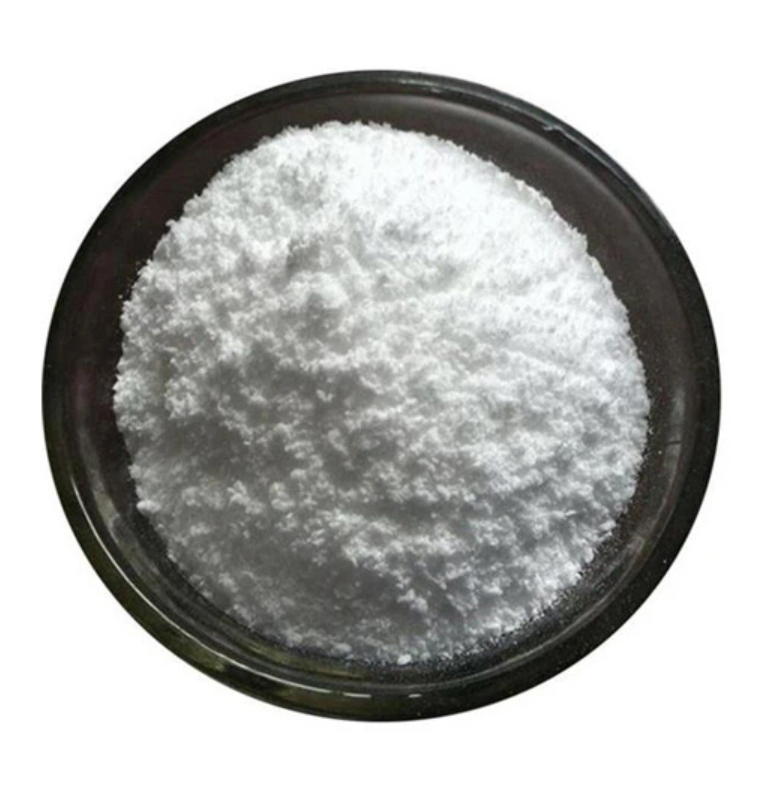
Appearance: White to off‑white crystalline powder.
-
Purity/grade: Food / Pharma grade available; typical assay ≥ 99.5% (adjustable by specification).
-
Optical rotation: conforms to L-(+)-isomer specifications (where required).
-
Water content: typically ≤ 0.5% (Karl Fischer where specified).
-
Heavy metals (as Pb): ≤ 5 ppm (custom lower limits available).
-
Residual solvents: Not applicable; produced via crystallization; meets food/pharma limits.
-
Particle size: bulk powder, median particle size configurable (typical D50 50–250 µm; micronized grades available).
-
Bulk density: approx. 0.6–0.8 g/cm³ (packed density varies by grade and particle size).
-
Solubility: highly soluble in water; solubility increases with temperature.
-
pH (1% aq. solution): typically ~2.2–2.6 depending on grade.
-
Packaging options: 25 kg multi‑ply paper bags with polyethylene liner, 500 kg–1,000 kg FIBC (big bags), and customer-specified ISO tank / flexitank arrangements for liquid derivatives.
-
Shelf life / storage: 24 months when stored in a cool, dry, and well-ventilated warehouse in original, unopened packaging; hygroscopic — protect from moisture.
-
Core Industrial Applications
-
Food & Beverage: Used as an acidulant, buffering agent, and flavor stabilizer in large-scale beverage, confectionery, dairy, and bakery manufacturing. Ensures consistent acidity, prevents metal-catalyzed oxidation, and enhances flavor profiles with predictable titratable acidity.
-
Pharmaceutical & Nutraceutical: Serves as an excipient, pH adjuster, and chelating agent in tablet formulations, effervescent products, and oral solutions where purity and optical activity matter.
-
Chemical Manufacturing: Acts as an intermediate for chelating agents, catalysts, and specialty salts (e.g., potassium hydrogen tartrate), improving reaction control and product yields.
-
Electroplating & Metal Treatment: Functions as a complexing/brightening additive to control metal ion activity and improve deposit quality, reducing rejects and rework.
-
Construction & Cement Additives: Used as a retarder and set-control adjunct in certain cement admixtures to optimize workability and curing profiles.
Why it outperforms alternatives: -
High-purity L-(+)-isomer provides consistent chemical behavior compared with racemic mixtures, reducing variability in pH-dependent processes.
-
Strong chelating capacity enhances stability and shelf life in formulations versus weaker organic acids.
-
Broad solubility and configurable particle sizes enable faster dissolution and uniform mixing in high-throughput production lines, lowering processing time and energy use.
-
Competitive Advantages
-
Quality consistency: Produced to tight QC specifications with batch certificates (CoA) including assay, water, heavy metals, and optical rotation where required.
-
Supply reliability: Managed global sourcing and inventory with scheduled replenishment to support continuous manufacturing and minimize stockouts.
-
Logistics capability: Flexible packaging and freight options (FCL/LCL, FIBC, bulk tanker for derivatives) and experience handling hygroscopic solids to minimize transit damage.
-
Price competitiveness: Volume-based pricing and term-contract options to reduce total cost of ownership for large buyers.
-
Sustainability: Manufactured with processes optimized for solvent-free crystallization, reduced waste streams, and opportunities for low-carbon logistics on contract terms.
-
Technical support & documentation: Full documentation package available (CoA, SDS, technical data sheet, regulatory compliance letters such as food‑grade declarations), plus application support for formulation testing and scale-up guidance.
-
Commercial & Supply Information
-
Minimum order quantity (MOQ): BULK 20 MT.
-
Typical loading capacity (per container): 20’ GP container: up to 18–20 MT (in FIBC or palletized 25 kg bags depending on packing configuration); 40’ HC container: up to 24–25 MT with optimized palletization; for bulk tanker/flexitank orders, loading per vessel subject to contract.

Reviews
There are no reviews yet.