
Description
-
Product Overview
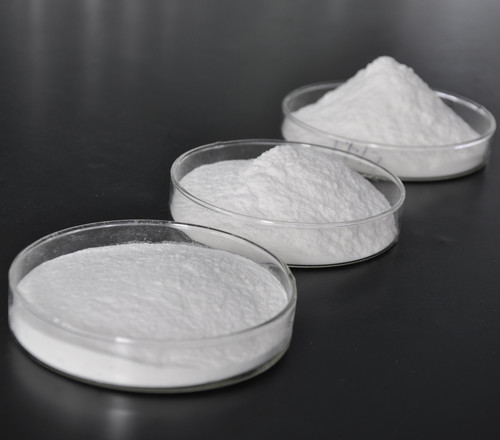
Microcrystalline Cellulose (E460) is a high-purity, inert cellulose excipient produced from controlled acid hydrolysis of wood pulp. It serves as a multifunctional binder, filler, disintegrant, and flow enhancer across pharmaceutical, nutraceutical, food, and specialty chemical manufacturing. The product delivers consistent particle morphology and compression behavior that improve production yield, tablet integrity, and downstream process stability. Strategically, reliable E460 supply reduces batch variability, shortens production cycles, and mitigates regulatory and quality risk for large-scale industrial manufacturers.
-
Key Specifications & Technical Characteristics
-
Chemical composition: Purified α-cellulose-derived microcrystalline cellulose (polymeric glucose units), free of reactive organic functional groups.
-
Grade / Purity: Pharmaceutical / industrial grade; cellulose content ≥ 99.5% (typical), residual ash ≤ 0.2% (typical).
-
Particle form: Spherical/irregular microparticulate powder.
-
Particle size distribution: Median particle size (D50) typically 50–150 µm (customizable within 20–200 µm on request).
-
Bulk density: 0.20–0.45 g/cm³ (tapped bulk density and loose bulk density provided on certificate of analysis).
-
Moisture content: ≤ 5.0% (typical), controlled per batch.
-
pH (1% aqueous): 5.0–7.0.
-
Loss on drying: ≤ specified limit per grade.
-
Appearance/color: White to off-white free-flowing powder.
-
Solubility: Insoluble in water and most organic solvents; swells and forms stable network for tablet binding.
-
Heavy metals and contaminants: Meets pharmacopeial limits when requested (e.g., USP/EP specifications available upon request).
-
Microbiological: Total plate count and specified pathogens tested; acceptable limits per industry standard.
-
Packaging options: 25 kg multi-layer kraft bags with PE liner; 500–1,000 kg FIBC (big bags); iso-tanks for specialty suspensions (on contract).
-
Shelf life: 24 months when stored in a cool, dry environment in original sealed packaging.
-
Certification and documentation: Certificate of Analysis (CoA), Material Safety Data Sheet (MSDS/SDS), and traceability documentation supplied with each shipment.
-
Core Industrial Applications
-
Pharmaceutical manufacturing: Direct compression and wet granulation binder, filler, and disintegrant for tablets and capsules; improves uniformity, hardness, friability, and dissolution profiles compared with many starches or lactose blends.
-
Nutraceuticals and dietary supplements: Primary filler and binder for large-format tablets and chewables where inertness and compressibility are critical.
-
Food industry: Anti-caking agent, texturizer, and low-calorie bulking agent in powdered and dry-mix formulations; performs where moisture control and flow are required.
-
Personal care and cosmetics: Rheology modifier and bulking agent in dry formulations such as pressed powders and solid cosmetics.
-
Specialty chemicals and coatings: Carrier and rheology modifier in pigment concentrates, powdered coatings, and adhesive blends.
Why it outperforms alternatives: -
Compressibility & binding: Provides superior tablet strength at lower binder loadings versus conventional binders, reducing overall formulation cost.
-
Inertness: Chemically inert and non-reactive, reducing risk of API degradation.
-
Flow & consistency: Narrow particle size control and low fines improve powder flow and dosing accuracy, increasing throughput and reducing downtime.
-
Competitive Advantages
-
Quality consistency: Batch-to-batch uniformity ensured by controlled raw material sourcing and rigorous QC testing; CoA provided with every shipment.
-
Supply reliability: Scalable production capacity and safety-stock programs to support continuous supply for high-volume manufacturers.
-
Logistics capability: Multiple global shipping hubs, palletized and container-ready packaging, and ability to coordinate FOB, CIF, DDP, or contract logistics solutions.
-
Price competitiveness: Optimized sourcing and production processes deliver industry-competitive pricing at scale, with volume discounts for contracted annual volumes.
-
Sustainability: Sourced from responsibly managed cellulose feedstocks; low environmental footprint compared with synthetic polymer alternatives. Sustainability documentation available on request.
-
Technical support: Formulation support, application notes, and analytical data available; custom particle size and grade development services for strategic customers.
-
Commercial & Supply Information
-
Minimum order quantity (MOQ): BULK 20MT.
-
Loading capacity (typical):
-
20 ft container: up to 20 MT (bagged, depending on packaging and palletization).
-
40 ft HC container: up to 24–26 MT (bagged, optimized pallet loading).
-
FIBC / bulk truck: up to contractual truckload capacities (typically 20–25 MT per truck depending on local regulations).
-
Reviews
There are no reviews yet.