
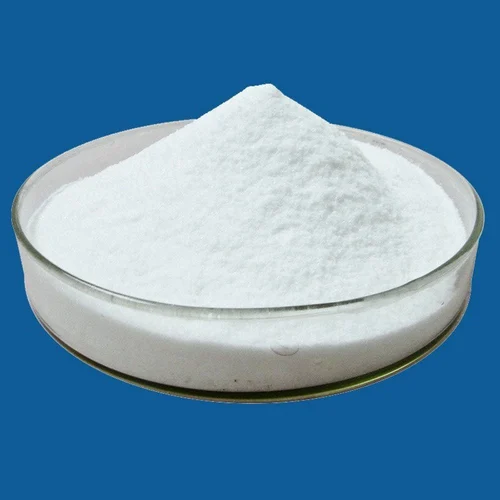
Description
-
Product Overview
Sodium Carboxymethyl Cellulose (E466) is a high-performance, water-soluble cellulose ether used as a rheology modifier, stabilizer, binder, and film former in industrial formulations. Primarily applied across pulp & paper, drilling fluids, adhesives & coatings, detergents, and food-processing equipment cleaning, it delivers precise viscosity control, improved suspension stability, and enhanced product handling. Its key value proposition is consistent, scalable performance that reduces formulation variability, lowers waste, and improves process efficiency across continuous and batch operations. Strategically, E466 is a formulation-critical raw material that enables manufacturers to meet tighter quality specs, reduce operating costs, and accelerate time-to-market for specialty and commodity products. -
Key Specifications & Technical Characteristics
-
Chemical composition: Sodium salt of carboxymethyl cellulose (anhydroglucose units with carboxymethyl substitution).
-
Substitution type: Predominantly CMC-Na (sodium carboxymethylation).
-
Degree of substitution (DS): Typical range 0.70–1.00 (specify per batch certificate).
-
Viscosity grade: Available in multiple Brookfield viscosity grades (e.g., 50–2,000 mPa·s at specified concentration); exact grade per SKU.
-
Purity/assay: ≥ 90% active polymer (dry basis); residual alkalinity and salt content controlled to industrial spec.
-
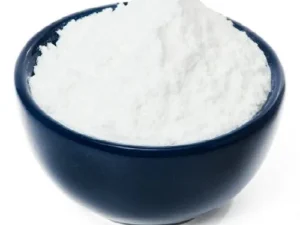
Physical form: Free-flowing powder.
-
Color: Off-white to cream.
-
Particle size: Typical D50 ~ 50–200 µm (grade dependent); low fines for dust control.
-
Bulk density: ~300–600 kg/m3 (packed density varies with grade and packaging).
-
Solubility: Cold-water soluble with controlled hydration profile; minimal lumping with recommended dispersion method.
-
pH (1% aqueous solution): ~6.5–8.5 (grade dependent).
-
Ash content: Specified per grade (low ash grades available).
-
Microbiological specification: Industrial grades meet hygiene limits; food/pharma-grade available on request with COA.
-
Packaging options: 25 kg multi-ply kraft bags with PE liner; 500 kg FIBCs (Big Bags); 20 MT bulk for palletized ISO containers; special packaging available for export/regulatory requirements.
-
Shelf life: 24 months when stored in original sealed packaging, dry and <40% relative humidity; see COA for batch-specific expiry.
-
Core Industrial Applications
-
Pulp & Paper: Used as dry strength additive and retention aid; improves sheet formation, tensile strength, and runnability versus untreated furnishes. Provides consistent crepe and coating viscosity control, reducing rework rates.
-
Drilling & Oilfield Fluids: Functions as viscosifier, filtrate reducer, and fluid-loss controller in water-based drilling muds. Maintains rheology at variable temperatures and salinities, enhancing borehole stability and pumpability compared with unmodified polymers.
-
Adhesives & Sealants: Acts as thickener and rheology modifier to control sag, open time, and spreadability; compatible with waterborne systems and improves adhesion uniformity over alternatives.
-
Paints & Coatings: Stabilizes pigments and fillers, controls sag and leveling, and reduces flocculation. Offers better low-shear viscosity retention and pigment suspension than generic thickeners.
-
Detergents & Personal Care: Provides viscosity control, foam stability, and deposition performance in liquid detergents and industrial cleaners; easier cold-water dissolution improves manufacturing throughput.
-
Food & Pharma (where specified): Employed as stabilizer/thickener in permitted applications (food-grade E466 available with COA and regulatory documentation).
-
Water Treatment & Cementitious Systems: Used as dispersant and water retention agent in mortar and cement-based formulations, improving workability and reducing cracking risk.
Why it outperforms alternatives: -
Predictable rheological profile across production runs, reducing batch-to-batch variability.
-
Superior suspension stability and film formation at lower loadings, lowering raw-material costs.
-
Broad compatibility with salts and co-solvents common in industrial formulations.
-
Competitive Advantages
-
Quality consistency: Manufactured under controlled processes with batch Certificates of Analysis (COA) and traceability for DS, viscosity, and purity.
-
Supply reliability: Contract-scale production and regional inventory positions ensure stable supply for continuous industrial operations.
-
Logistics capability: Available in palletized bags, FIBCs, and 20 MT bulk loads optimized for container freight and bulk shipments; handling guidelines and packing lists provided.
-
Price competitiveness: Multiple viscosity and grade options allow cost-performance optimization; volume-based pricing and long-term supply contracts available.
-
Sustainability: Derived from renewable cellulose feedstocks; low-toxicity profile and potential for biodegradable end-of-life in many applications. Options for supplier-specific sustainability documentation available on request.
-
Technical support: Formulation guidance, dispersion protocols, stability testing, and regulatory documentation (COA, MSDS, GMP/food-grade certificates where applicable) provided to support scale-up and qualification.
-
Commercial & Supply Information
-
Minimum order quantity (MOQ): BULK 20MT.
-
Loading capacity (MT per container):
-
20-foot container (FCL): Approximately 20 MT palletized in 25 kg bags or up to 20 MT in Big Bags depending on packing configuration.
-
40-foot HC container (FCL): Up to ~24–26 MT with optimized palletization or bulk loading; confirm per shipment.
-
-
Typical lead time: Subject to stock and contract terms; standard lead time 2–6 weeks for bulk orders from regional inventory, shorter for stocked grades.
-
Incoterms, payment, and logistics: Export documentation (COA, MSDS, packing list) supplied; FOB/CIF/EXW terms negotiable per contract.
-
After-sales: QA sampling, complaint resolution SLA, and technical troubleshooting included under commercial agreement.
Reviews
There are no reviews yet.